
Blooming
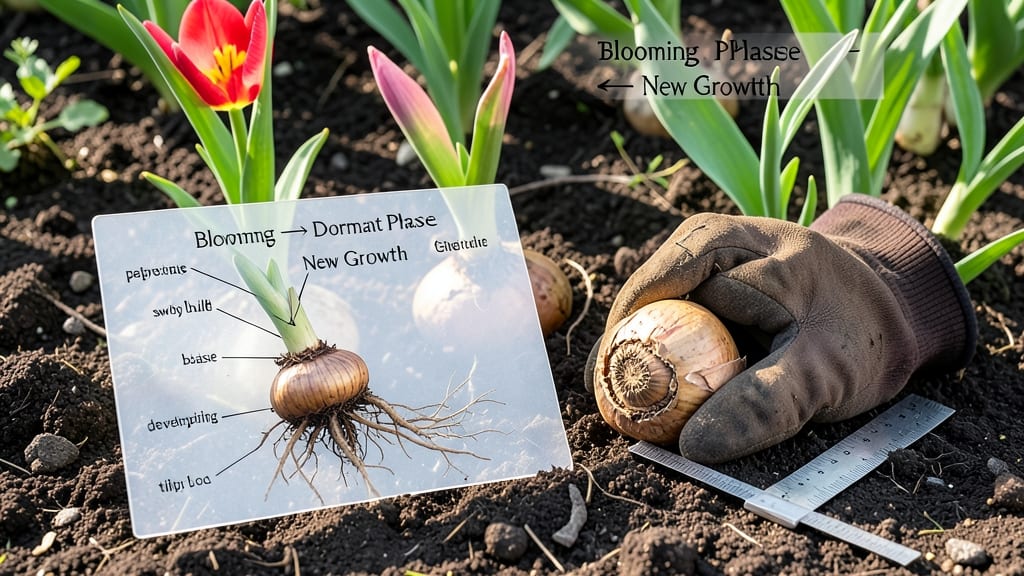
Tulip bulbs don't bloom only once—most varieties produce flowers annually for 3-5 years before fading, while reblooming types like 'Darwin Hybrid' or 'Double Late' can deliver multiple blooms per season with consistent care. Proper pruning and fertilization extend their flowering lifespan.
What sets reblooming tulips apart is their ability to store and replenish energy more efficiently.
Unlike single-bloom varieties that exhaust their reserves in one season, these special cultivars build up strength through proper seasonal care, including fall planting and spring fertilization. 🌱 The key difference lies in their bulb structure—rebloomers develop secondary buds that mature with each growing cycle, while traditional tulips focus all energy on one spectacular display.
I've found that even standard tulips can sometimes surprise you with a second bloom if you're patient and maintain ideal growing conditions.
For gardeners eager to maximize blooms, choosing the right varieties makes all the difference. Darwin Hybrid tulips, for example, naturally produce stronger stems and larger flowers, while Parrot tulips often deliver vibrant second blooms. The secret weapon?
Deadheading spent blooms immediately after they fade—this redirects the plant's energy toward bulb nourishment rather than seed production. I always recommend using a balanced 10-10-10 fertilizer in early spring to give your tulips the phosphorus boost they need for robust growth.
💡 In This Article
- Why Most Tulips Bloom Once Per Year
- How to Encourage Reblooming in Tulip Varieties
Why most tulips bloom once per year
The annual bloom cycle of most tulips stems from their natural energy conservation strategy. These bulbs store nutrients during summer and fall, then allocate nearly all their reserves to produce one spectacular flower display in spring.
The biological process involves a single growing point that develops into the main stem and bloom, depleting the bulb's energy stores. This is why traditional varieties like 'Apeldoorn' or 'Queen of Night' typically bloom just once before entering dormancy for the summer.
Dormancy plays a crucial role in this cycle. After blooming, tulip bulbs enter a resting phase where they rebuild energy reserves through photosynthesis in their leaves.
This process takes about 6-8 weeks, during which the leaves must remain intact—removing them prematurely starves the bulb of vital nutrients. 🌱 What most gardeners don't realize is that forcing a second bloom by cutting flowers too early actually weakens the bulb, as it diverts energy away from root development.
The bulb's natural cycle prioritizes one strong bloom over multiple weaker ones to ensure species survival.
This single-bloom mechanism contrasts with perennial flowers like daffodils, which develop multiple flower buds along their stems. Tulips, however, produce just one primary bud that emerges from the bulb's center. The bulb's energy budget is so tightly managed that even partial blooming can leave it vulnerable to disease or pests.
For example, a tulip bulb that produces a half-opened flower may not have enough strength to complete the bloom or recover properly for next year.
Soil conditions dramatically affect this process. Tulips prefer well-draining soil with a pH between 6.0 and 7.0, which allows optimal nutrient absorption. In heavy clay soils, bulbs often struggle to establish roots properly, leading to weaker blooms.
The ideal planting depth is typically 6-8 inches below soil level, which helps protect the bulb from temperature fluctuations that could disrupt dormancy. 🌿 When bulbs receive proper care during their single bloom cycle, they can reliably produce flowers for 3-5 years before gradually declining.
The trade-off between single and multiple blooms reveals nature's efficiency. While reblooming varieties exist, they represent a specialized adaptation rather than the norm. Most tulips follow this one-bloom strategy because it maximizes flower size and quality while ensuring the bulb has enough energy to survive through summer's heat.
This biological approach explains why gardeners often see their first-year tulips produce the largest blooms—the bulbs are investing everything they have in that single spectacular display.