
Blooming
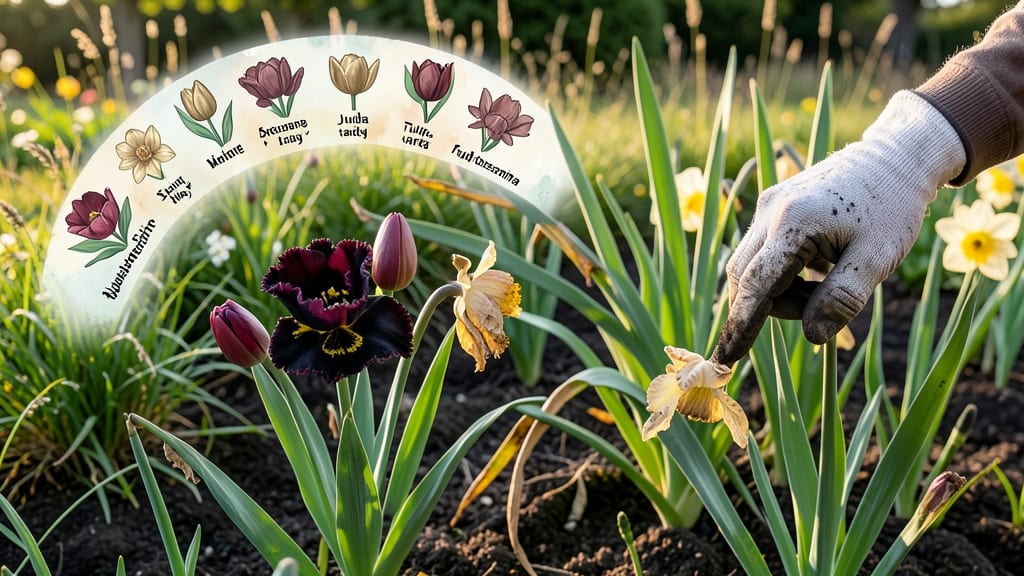
Tulips do not bloom all summer; their natural cycle produces vibrant flowers in early spring for just 1-2 weeks per season, depending on the variety. Most tulips are perennials but require dormancy to rebloom annually.
Tulips follow a strict seasonal rhythm because they're sensitive to temperature and daylight changes. 🌸 In most climates, tulips need cold winter dormancy to trigger their spring blooms—this is why you won't see them flowering in summer months.
Even if you plant them in summer, they'll simply store energy underground until the right conditions arrive. The exception? Specialty varieties like Darwin tulips can bloom slightly later, but they still won't extend into summer.
What's fascinating is how this natural cycle works against common gardening expectations. Many gardeners mistakenly think tulips are like roses or daylilies that bloom continuously, but tulips are actually ephemeral perennials—they burst into color for a short, spectacular show before fading.
This built-in timing is why you'll often see them sold as spring bulbs rather than year-round plants.
💡 In This Article
- Tulip Blooming Seasons Explained by Climate and Variety
- How to Extend Tulip Blooms with Gardening Techniques
Tulip blooming seasons explained by climate and variety
The tulip's spring-only blooming habit stems from a biological process called vernalization, where cold temperatures trigger flower development. Most tulip varieties require 12-16 weeks of winter chill (below 40°F) to break dormancy.
This is why you'll see tulips bloom in early spring—they've been "waiting" underground since the previous summer, storing energy in their bulbs until the right temperature cues arrive. 🌱
Climate zones dramatically affect blooming windows. In USDA Zones 3-5 (north-central U.S.), tulips typically bloom between late April and early May, while in milder Zones 7-9 (southern U.S.), they may bloom as early as February or as late as March.
Darwin hybrid tulips are an exception—they're bred to bloom 2-3 weeks later than standard varieties (around mid-May in Zone 5), thanks to their thicker stems and larger blooms that require more energy to develop.
Daylight length also plays a crucial role through a process called photoperiodism. Tulips are long-day plants, meaning they need increasing daylight hours (12+ hours) to trigger flowering.
This explains why tulips don't bloom in summer—they've already completed their flowering cycle and are focusing on bulb development for next year. The combination of cold dormancy and light exposure creates this precise seasonal timing that gardeners often find surprising. 🌞
What most people don't realize is that tulips actually have two flowering cycles—the first in spring and a potential second in summer if they're planted in fall in warm climates (like California). These are called "summer tulips" or "late-season" varieties, but they're genetically different from standard spring-blooming tulips.
The most common summer-blooming variety is the Tulipa greigii, which thrives in USDA Zones 5-8 and produces delicate, fringed flowers in June-July.
Temperature fluctuations during blooming also affect flower longevity. Tulips planted in areas with rapid temperature swings (like 60°F days followed by 40°F nights) often have shorter bloom times because the flowers age faster. In contrast, steady 55-65°F temperatures during the blooming period can extend their display by 5-7 days.
This is why gardeners in coastal regions often get longer tulip seasons compared to inland areas with more extreme temperature shifts. 🌡️
Consider these key factors when choosing tulip varieties for your garden:
- Climate zone: Select varieties rated for your specific USDA zone (e.g., Darwin hybrids for Zone 5, fosteriana for Zone 8)
- Bloom time: Early bloomers (like Kaufmanniana) appear in March-April, while late bloomers (like Darwin hybrids) appear in May-June
- Light exposure: Full sun (6+ hours daily) produces the most vibrant blooms, while partial shade extends bloom duration