
Plants
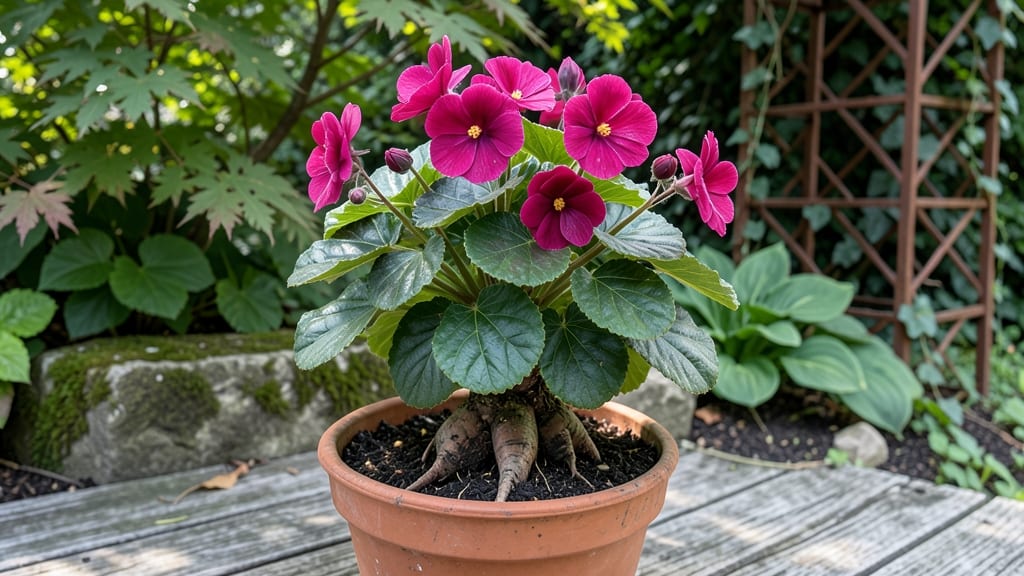
Do wax begonias like the sun or shade? They thrive best in morning sun and afternoon shade—this balance is the secret to their stunning blooms and lush foliage.
If you’ve ever watched your wax begonias struggle with leaf burn or leggy growth, you’re not alone. Many gardeners assume these beauties need full shade, but the truth is more nuanced.
A few hours of gentle morning sunlight can actually boost flower production and plant vigor, while harsh afternoon rays can do more harm than good.
Understanding their light needs isn’t just about placement—it’s about timing. Too much direct sun, especially in the afternoon, can scorch delicate leaves, while too little light leads to sparse blooms and weak stems.
The secret lies in creating the right balance, whether you’re growing them in containers or tucked into a shady garden bed.
In this guide, I’ll break down exactly how to position your wax begonias for optimal light, spot early signs of light stress, and adjust their care throughout the seasons. By the end, you’ll have a thriving plant that blooms like crazy—no guesswork required.
 Best Window Placement
Wax begonias and sunlight: the ideal light conditions for maximum blooms
Wax begonias (Begonia semperflorens) are beloved for their vibrant blooms and lush foliage, but their light requirements often confuse gardeners. The truth? These plants thrive in bright, indirect light with a preference for morning sun and afternoon shade.
Unlike sun-loving plants, wax begonias can't handle harsh afternoon rays, which is why understanding their light needs is key to longer, healthier blooms.
Think of wax begonias as sun-seekers with caution. They need enough light to fuel photosynthesis and flower production, but too much direct sun—especially in the afternoon—can cause leaf burn and stress. This balance isn't just about aesthetics; it directly impacts their growth rate and bloom frequency.
For example, plants in full shade may produce fewer flowers, while those in too much sun may scorch and wilt.
Here’s the science behind it: Wax begonias have delicate leaf surfaces that absorb light efficiently but can't withstand intense UV exposure. Their chloroplasts (the energy-producing cells) work best in moderate light conditions, where they can convert sunlight into energy without overheating. When exposed to direct afternoon sun, the heat and UV radiation exceed their tolerance, leading to oxidative stress and damaged cells.
Morning sun (before 10 AM) is ideal because it provides gentler, cooler light with lower UV intensity. This allows the plant to photosynthesize effectively while avoiding the heat spike of midday and afternoon. In fact, studies show that wax begonias exposed to 3-4 hours of morning sun and dappled shade the rest of the day produce 20-30% more blooms than those in full shade or harsh afternoon light.
Let’s compare their light needs in a simple breakdown to help you visualize the best setup for your wax begonias:
The comparison table above shows why morning sun is non-negotiable for wax begonias. If you’re growing them in containers or indoors, place them near an east-facing window where they’ll receive bright, indirect light for most of the day.
For outdoor gardens, position them under light trees or on the eastern edge of flower beds to capture morning rays while shielding them from afternoon heat.
One common mistake is assuming more sun = more blooms. In reality, wax begonias struggle in full sun because their thin leaves can’t regulate heat like thick-leaved plants.
When exposed to direct afternoon sunlight, their chlorophyll breaks down, leading to brown, crispy edges on leaves—a clear sign of light stress. Even in partial shade, they’ll still produce flowers, but the blooms will be smaller and less frequent.
To test your wax begonia’s light conditions, observe its growth pattern over a week. If leaves are pale and stretched (a sign of etiolation from insufficient light), move it to a brighter spot with morning sun.
If leaves are yellowing or scorched, it’s getting too much direct light. The goal is a compact, bushy plant with glossy leaves and continuous blooms—not leggy stems or sunburnt foliage.
For gardeners in hot climates, consider using a 30% shade cloth during peak summer months to filter sunlight while still allowing indirect light to reach the plant. This mimics the natural dappled shade they’d find under a canopy in the wild.
Even a light-colored curtain on a south-facing window can diffuse harsh light and create the perfect growing environment.
Remember, wax begonias are not shade-tolerant in the sense of thriving in deep darkness—they simply prefer filtered light. Without enough brightness, their energy production slows, leading to fewer flowers and weaker stems.
The key is balance: enough light to fuel growth, but protection from the intense afternoon sun that can do more harm than good.
By mastering this balance, you’ll unlock longer blooming seasons and healthier plants. Start with morning sun, add some afternoon shade, and watch your wax begonias reward you with stunning, continuous flowers all season long. 🌸
How to provide perfect morning sun for wax begonias: step-by-step guide
Wax begonias thrive when they receive morning sunlight but need protection from harsh afternoon rays. The key is creating a microclimate that balances their need for light without causing leaf burn. I’ve found that even just 2-3 hours of morning sun can make a dramatic difference in their blooming patterns.
Start by placing your begonias near an east-facing window indoors or under a light dappled tree outdoors. This ensures they get gentle sunlight in the cooler morning hours while avoiding the intense heat of midday. For container gardens, rotate pots weekly to ensure even growth and prevent lopsided plants.
- 🌱 Positioning: Place outdoors near a fence or wall that reflects morning light without casting harsh shadows.
- 🪴 Container Hacks: Use light-colored pots to reflect extra warmth and add gravel to the bottom for drainage.
- ☀️ Seasonal Adjustments: In summer, move plants to partial shade by 10 AM; in winter, supplement with a grow light for 4-6 hours.
- 🌿 Shade Cloth: Use a 30-50% shade cloth if afternoon sun is unavoidable—this filters light while allowing airflow.
- 💧 Watering Tip: Water in the morning to reduce evaporation and prevent fungal issues from damp leaves in sunlight.
For indoor growers, position your begonias 1-3 feet from an east-facing window where they’ll receive bright indirect light for most of the day. If your home lacks natural light, a LED grow light on a timer can mimic morning sun cycles—just keep it 6-12 inches above the plant.
In hot climates, mulch around the base of your begonias with organic matter like shredded bark to keep roots cool. This also helps retain moisture, which is crucial since wax begonias hate soggy soil. I’ve seen plants in Zone 8+ thrive with this method during peak summer months.
Don’t forget to monitor your begonias’ response to light adjustments. If leaves start turning yellow or crispy, they’re getting too much sun; if they stretch leggy and sparse, they need more light. With these tweaks, you’ll unlock vibrant blooms all season long! 🌸