
Blooming
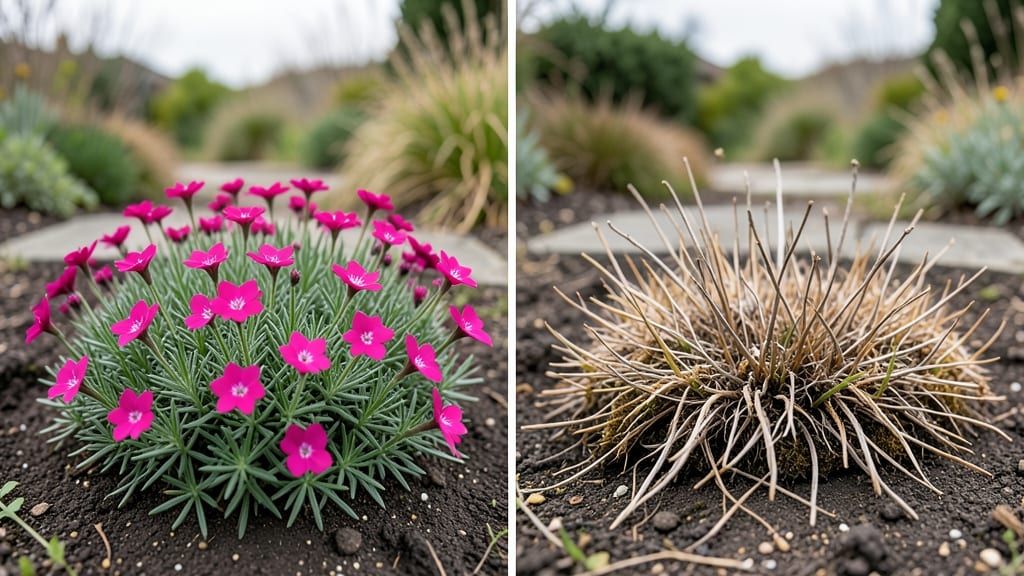
Creeping phlox does not bloom all summer—most varieties produce a single spring display, though some reblooming types (like 'Color Carpet' or 'Emerald Blue') may offer sporadic late-season flowers with proper care and deadheading. Climate and variety determine bloom duration.
Creeping phlox's bloom cycle is tightly linked to its natural energy conservation strategy. 🌸 Most varieties focus their energy on one spectacular spring show because they prioritize root and foliage growth during warmer months.
The few reblooming types, like 'Emerald Blue,' stretch their flowering season by storing energy differently—but even they need consistent care to perform. In cooler climates, you might see a second, smaller flush in late summer, while warmer zones may experience more sporadic blooms throughout the season.
What sets reblooming varieties apart is their ability to respond to specific triggers—like proper deadheading or balanced fertilization. I've found that removing spent blooms regularly signals the plant to produce new flowers, while over-fertilizing can actually shorten the bloom period.
The key is patience and observation: track your plant's natural rhythms to understand when it's ready for another round of blooms.
💡 In This Article
- Why Most Creeping Phlox Bloom Only Once a Year
- How to Encourage Extended Creeping Phlox Blooms
Why most creeping phlox bloom only once a year
Creeping phlox follows a natural energy conservation strategy that prioritizes survival over continuous flowering. During spring, when temperatures rise and daylight increases, the plant allocates most of its resources to producing vibrant blooms.
This single, intense flowering period—typically lasting 3-6 weeks—exhausts the plant's energy reserves, leaving little for a second round. The botanical term for this is "monocarpic" behavior, where plants focus energy on one reproductive event before shifting to vegetative growth.
The key trigger for this cycle is the combination of temperature and daylight hours. Most creeping phlox varieties are short-day plants, meaning they bloom in response to decreasing daylight (a signal for autumn). However, their spring bloom is triggered by increasing temperatures and longer days—almost like a built-in countdown.
In regions with hot summers, the plant enters dormancy to conserve moisture, while cooler climates may allow for a second, smaller bloom cycle later in the season. 🌿
Reblooming varieties like 'Color Carpet' or 'Emerald Blue' defy this pattern by storing energy more efficiently. These types can produce 2-3 bloom cycles per year because they've evolved to handle specific growing conditions.
For example, 'Emerald Blue' thrives in USDA zones 3-8 and can rebloom if given consistent moisture and proper deadheading. The difference lies in their root systems—rebloomers develop deeper, more extensive roots that store extra carbohydrates for future growth spurts.
What most gardeners don't realize is that the plant's natural cycle is also influenced by its age. Younger creeping phlox plants often bloom more prolifically in their first year because they haven't yet built up extensive root systems.
Older plants may produce fewer but larger flowers as they shift energy toward root maintenance. This is why 2-3 year old plants typically offer the most reliable blooms—young enough to be energetic, mature enough to be established.
Climate plays a surprising role in bloom duration. In cooler northern climates, creeping phlox might experience a second bloom in late summer when temperatures drop slightly. In contrast, hotter southern regions often see only the spring display because the intense heat forces the plant into dormancy.
The ideal temperature range for continuous blooming is 55-75°F, where the plant can balance growth and flowering without stress.
Here's what happens under the surface: After the spring bloom, most creeping phlox varieties enter a phase called "summer dormancy," where they focus on building root mass and storing nutrients. This process is essential for their long-term survival but means they won't produce flowers until they've rebuilt their energy reserves.
Reblooming types skip this deep dormancy phase, instead entering a lighter "rest" state that allows for sporadic flowering when conditions are right. 🌸