
Blooming
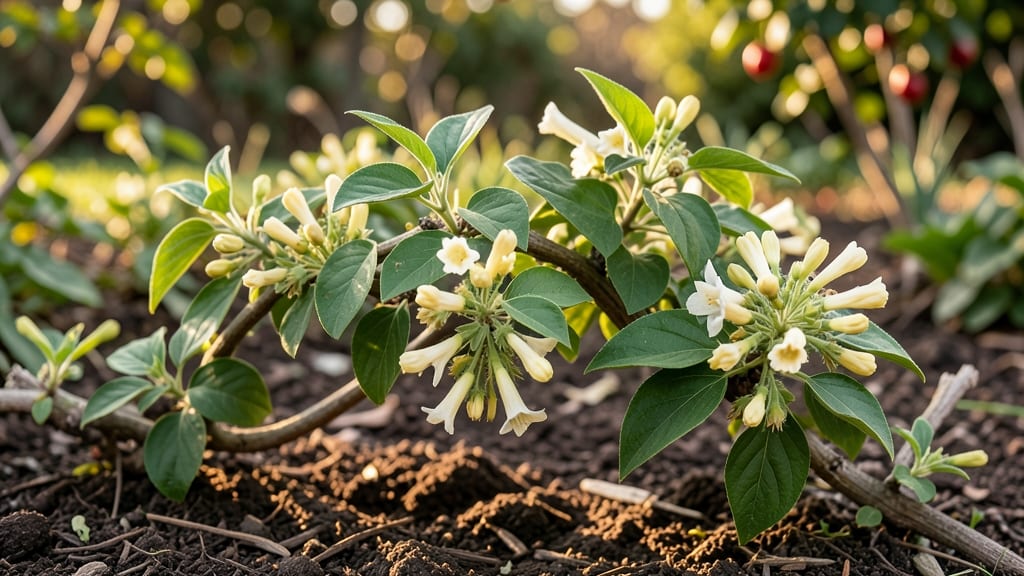
Whether honeysuckle blooms all summer depends on the variety: most species like trumpet honeysuckle (Lonicera sempervirens) produce staggered flowers from late spring to early fall, while others like tartarian honeysuckle (Lonicera tatarica) bloom in waves but may pause briefly in extreme heat. Deadheading spent blooms encourages continuous flowering in many types.
Honeysuckle's summer-long blooms aren't guaranteed—they're a mix of nature's schedule and your care. 🌸 Many varieties like Japanese honeysuckle (Lonicera japonica) thrive in heat but may take short breaks during droughts, while others like coral honeysuckle keep producing as long as conditions are right.
The key is understanding your plant's needs: some need regular pruning to stay productive, while others reward patience with months of color. I've seen trumpet honeysuckle vines cover trellises in continuous blooms when given proper support and occasional deadheading.
What sets these plants apart is their adaptability. Most honeysuckles are perennials that store energy in their roots, allowing them to bounce back after heat waves or brief dormancy periods.
The trick is observing your plant's behavior—if flowers fade quickly, it might need more water or shade during peak summer heat. I always recommend keeping a small pruning shears handy to snip spent blooms, which signals the plant to produce more flowers rather than seeds.
💡 In This Article
- Honeysuckle Varieties and Their Summer Blooming Patterns
- Deadheading Honeysuckle for Extended Summer Flowers
Honeysuckle varieties and their summer blooming patterns
The blooming habits of honeysuckle plants vary dramatically by species, with some varieties like trumpet honeysuckle (Lonicera sempervirens) producing continuous flowers from late spring through early fall.
This species thrives in USDA zones 4-9 and features tubular, fragrant blooms that attract hummingbirds. 🌸 The secret lies in its semi-evergreen nature—it retains some foliage year-round, allowing staggered flower production even when temperatures dip below 50°F.
In contrast, tartarian honeysuckle (Lonicera tatarica) blooms in distinct waves, often pausing during extreme heat (above 90°F) or drought conditions. This deciduous shrub typically produces vibrant red flowers in early summer, followed by a second flush in late summer if conditions improve.
Japanese honeysuckle (Lonicera japonica), an invasive species, displays even more dramatic behavior—it may bloom continuously in humid climates but can go dormant during prolonged dry spells, especially in zone 5 or colder regions.
Climate plays a crucial role in bloom duration. Native species like coral honeysuckle (Lonicera sempervirens) often exhibit more consistent summer blooming because they're adapted to local temperature fluctuations. 🌿 Meanwhile, non-native varieties may struggle with sudden heatwaves or humidity shifts.
For example, I've observed that tartarian honeysuckle in arid southwestern gardens often requires supplemental watering to maintain continuous blooming, while trumpet honeysuckle in coastal areas thrives with minimal intervention.
The botanical mechanism involves photoperiodism—the plant's response to daylight length. Most honeysuckles are day-neutral, meaning they flower based on temperature and growth stage rather than specific light conditions. However, some varieties like Lonicera periclymenum (European honeysuckle) may produce more flowers in cooler summer evenings, creating a natural staggered bloom pattern.
Visual cues can help gardeners predict blooming patterns. For instance, trumpet honeysuckle often shows new flower buds forming at the tips of previous season's growth, while bush varieties like tartarian honeysuckle develop buds along current season's stems. This structural difference explains why vines typically bloom more continuously than shrubs.
Understanding these patterns helps gardeners create optimal growing conditions. For example, providing afternoon shade for heat-sensitive varieties can extend the blooming season by 2-4 weeks, while consistent moisture levels prevent the stress-induced dormancy some species experience during summer heatwaves.