
Blooming
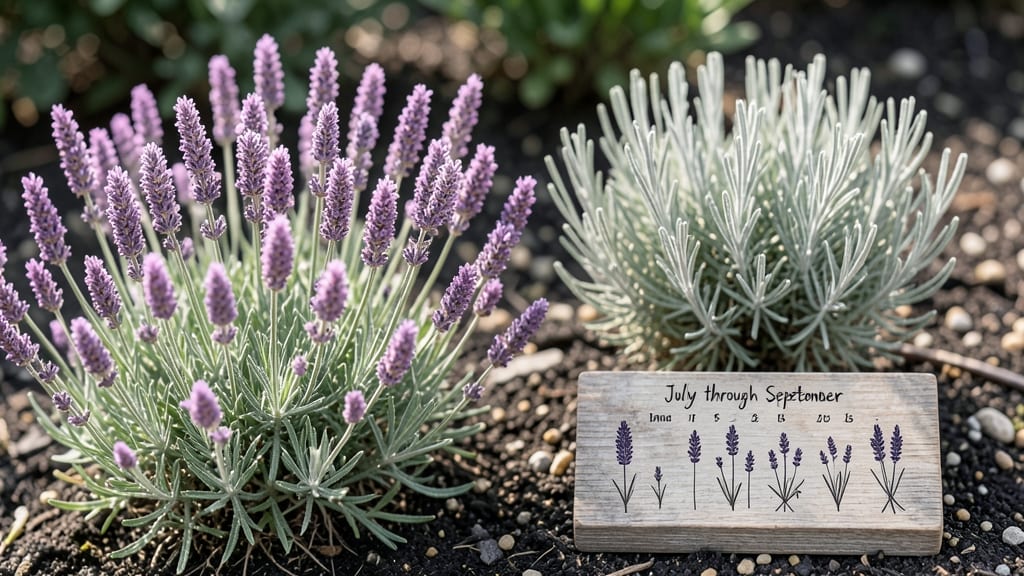
Lavender doesn't bloom all year—most varieties produce flowers primarily in late spring through summer, with some hardy types like English lavender potentially reblooming in fall. Seasonal light exposure and temperature shifts trigger flowering cycles, while proper care can help extend bloom periods.
Lavender's blooming patterns are closely tied to natural seasonal changes, particularly daylight hours and temperature shifts. 🌿 In Mediterranean climates where lavender originated, plants typically flower from May through July, while temperate zones may see slightly later blooms.
The key to encouraging extended flowering lies in understanding your specific climate zone and adjusting care practices accordingly—think of it as working with nature rather than against it.
What many gardeners don't realize is that lavender actually needs a period of cooler weather to set flower buds—a process called vernalization. This means pushing for year-round blooms by forcing growth during off-seasons can actually reduce flowering.
Instead, focusing on proper pruning after the first bloom cycle and maintaining consistent moisture levels (without overwatering) helps maximize the plant's natural flowering potential when conditions are right.
💡 In This Article
- Lavender Bloom Cycles by Climate Zone
- Extending Lavender Blooms: Pruning and Care Tips
Lavender bloom cycles by climate Zone
Lavender's flowering is primarily triggered by two natural processes: vernalization (cool winter temperatures) and photoperiodism (increasing daylight hours). In Mediterranean climates where lavender originated, plants typically experience their main bloom from May to July, with secondary blooms in early autumn if conditions are ideal.
The key difference in temperate zones is that flowering often begins 2-4 weeks later due to cooler springs, with peak blooms stretching from June to August.
The science behind this involves a hormone called florigen, which lavender produces in response to specific temperature and light cues. When daytime temperatures reach 70-75°F combined with 14+ hours of daylight, florigen production spikes, prompting bud formation.
Mediterranean lavender thrives in these conditions naturally, while temperate varieties may need 3-4 weeks of consistent warmth to trigger the same response. 🌞 What's fascinating is how lavender actually needs a period of cooler weather (40-50°F) in late winter to "reset" its flowering cycle—a process called vernalization that's crucial for setting buds.
Dormancy periods vary dramatically by region. In Zone 5-7 (temperate climates), lavender may enter partial dormancy in winter, with new growth emerging in early spring. Mediterranean varieties (Zone 8+) often bloom continuously if given consistent care, but even they need a brief rest period.
The English lavender variety is particularly adaptable, capable of producing two bloom cycles per year—one in late spring and another in early fall—thanks to its ability to handle wider temperature fluctuations.
Daylight plays an equally important role. Lavender is a long-day plant, meaning it requires increasing daylight to flower. In northern latitudes, where days are shorter, lavender may bloom later or produce fewer flowers unless supplemented with grow lights.
Conversely, in southern climates, lavender can sometimes bloom year-round in mild winters, though the flowers will be less abundant and vibrant without proper seasonal cues. This is why gardeners in Zone 9+ often see lavender flowering in winter months—but these blooms are typically smaller and less fragrant.
Consider these key climate factors when planning your lavender garden:
- Mediterranean Zones (8-10): Two distinct bloom periods (spring and fall) with minimal dormancy
- Temperate Zones (5-7): One main bloom (summer) with possible light fall blooming if pruned correctly
- Cold Zones (3-4): Single summer bloom with extended dormancy requiring winter protection
The most critical takeaway is that lavender's blooming cycle is not about forcing year-round growth but about working with its natural rhythms. Trying to push lavender to bloom outside its optimal windows can actually reduce flower production by stressing the plant.
Instead, focus on creating ideal conditions during its natural bloom periods to maximize both quantity and fragrance. 💫