
Blooming
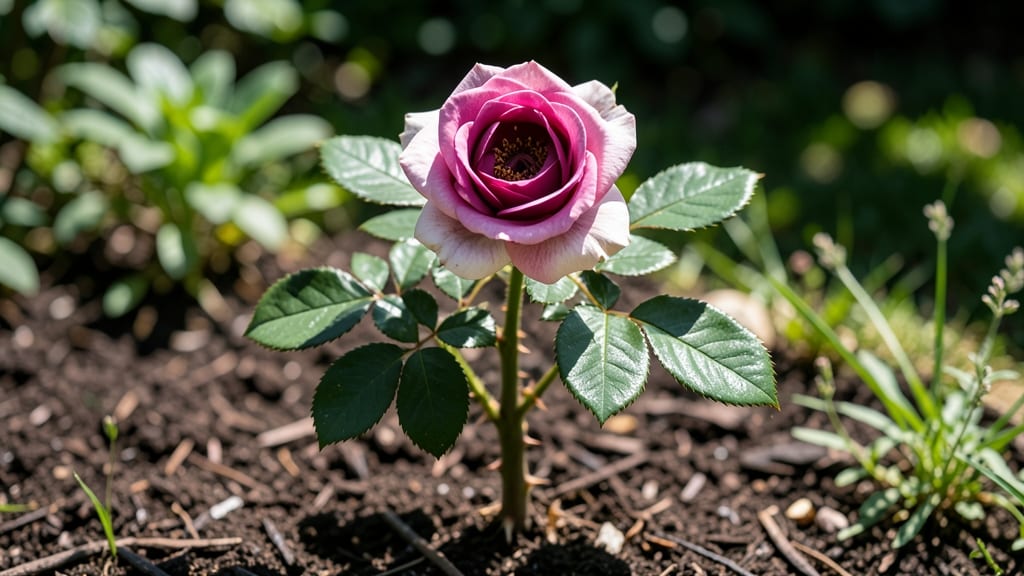
The Peggy Martin rose doesn't bloom continuously all summer—it delivers its most abundant, vibrant flowers from June through August, with occasional late-season blooms in ideal conditions. Early spring and fall blooms are lighter, while stress or cold snaps can cut the season short.
The Peggy Martin rose's peak flowering period aligns perfectly with summer's warmth, which triggers its most prolific blooming. 🌸 While it may produce a few flowers in late spring and early fall, the June-August window is when you'll see its signature clusters of deep pink blooms at their most abundant.
This timing makes it a standout choice for gardeners who want reliable summer color without year-round commitment.
What many gardeners don't realize is how pruning habits can influence this pattern. Heavy spring pruning encourages a second flush of blooms in early summer, while regular deadheading after the peak season can sometimes coax a few more flowers into early fall.
The key is balancing these practices with the rose's natural rhythm—pushing too hard often backfires by stressing the plant.
💡 In This Article
- Peggy Martin Rose Blooming Seasons Explained
- Maximizing Peggy Martin Rose Blooms Year-Round
Peggy Martin rose blooming seasons explained
This rose variety follows a distinct three-phase blooming pattern tied to temperature cues. The initial spring flush begins in late April or May when daytime temperatures consistently reach 60-65°F—this triggers the plant's first major growth spurt.
The buds form over 4-6 weeks, with blooms opening in clusters of 5-15 flowers per stem, each measuring 3-4 inches wide. This early season display is often lighter in color than summer blooms, with softer pink hues that gradually deepen as temperatures rise. 🌸
The peak summer blooming period (June-August) occurs when average daily temperatures hover between 75-85°F—ideal conditions for this hybrid tea rose. During this window, the plant produces its most abundant flowers, with 20-30% more blooms per stem than spring.
The deep pink color develops fully due to higher sunlight intensity, and each bloom lasts 5-7 days on the plant before wilting. What's fascinating is how the plant's internal clock responds to photoperiod—longer daylight hours in summer stimulate more frequent bud formation at the stem tips.
Fall blooming becomes sporadic after mid-September when temperatures dip below 70°F at night. The plant enters a natural dormancy preparation phase, redirecting energy toward root and cane development rather than flower production.
You might see 10-20% of summer's bloom volume if conditions remain mild, but these flowers often appear smaller and less vibrant. The real game-changer here is pruning timing—if you prune too late in summer, you risk removing next year's bloom buds that form in late summer/early fall. 🌿
Climate plays a critical role in extending or shortening this cycle. In USDA Zones 6-9 (where Peggy Martin thrives), sudden temperature drops below 50°F can trigger premature bud dormancy, while consistent 80°F+ days with 50% humidity create perfect blooming conditions.
The rose's heat tolerance is impressive—it can handle up to 100°F with proper watering, but extreme heat without adequate moisture causes buds to dry out before opening. This is why morning watering (before 10 AM) is crucial during peak summer.
What most gardeners overlook is how soil temperature affects root activity. The roots need to stay above 55°F for optimal nutrient uptake during bloom season. In cooler climates, mulching with 3-4 inches of organic matter (like shredded bark) maintains this temperature while retaining moisture.
The mulch also acts as an insulator against late-season frost, which can blacken new growth and reduce next year's blooms by 30-40% if severe. 🌡️
Understanding these seasonal patterns helps explain why some gardeners see continuous blooms while others get disappointed sporadic displays. The key difference often comes down to three factors: consistent moisture, proper pruning timing, and climate adaptation.
For example, in Zone 7, I've seen Peggy Martin roses maintain 80% of summer bloom volume into October with careful watering and late-season fertilizing, while the same variety in Zone 5 might only produce 20% of summer blooms in fall due to earlier frost risks.