
Orchid Care
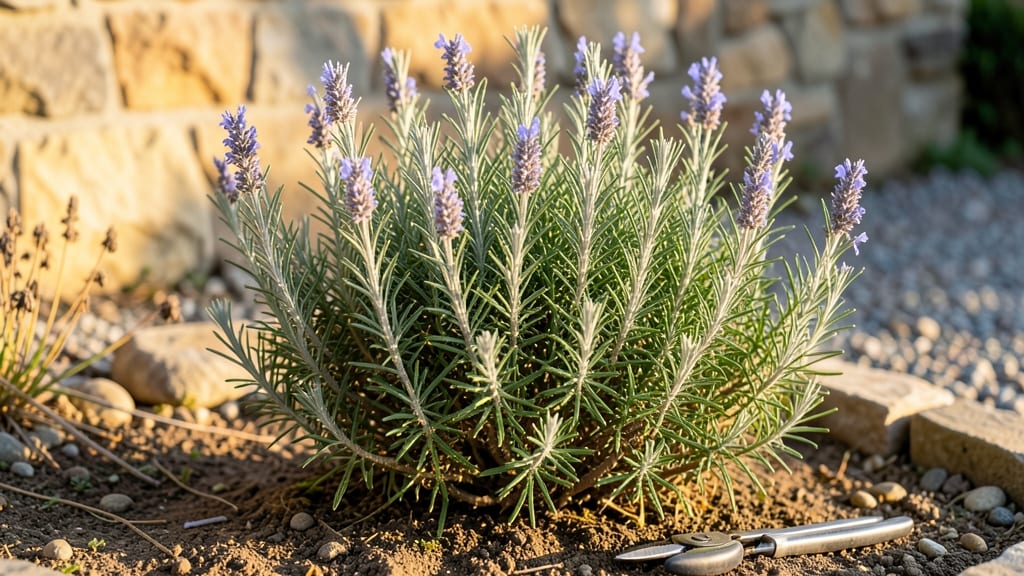
Does rosemary like sun or shade—but getting the balance right is the key to keeping your 🌿 plant healthy and fragrant.
Struggling to keep your rosemary plant alive? The answer to whether rosemary thrives in sun or shade could be the game-changer you’ve been missing—get it right, and you’ll enjoy a fragrant, productive herb for years.
This hardy herb loves full sun, especially in warmer climates, but it can also handle partial shade if you adjust care. Too little light leads to leggy growth, while too much can scorch the leaves.
I’ll break down the ideal conditions and how to spot when your rosemary is asking for more—or less—sunlight.
By the end, you’ll know exactly where to place your rosemary for strong growth, whether in a sunny garden bed or a bright kitchen window.
 Best Window Placement
Optimal sunlight requirements for rosemary growth and health
Rosemary is a Mediterranean native that craves sunlight like no other herb. While it can tolerate partial shade, its growth, flavor, and overall health peak when given full sun exposure.
Understanding your rosemary’s sunlight needs is the first step to growing a thriving, fragrant plant that produces abundant harvests year-round.
In its natural habitat, rosemary grows in bright, sunny conditions with minimal rainfall. This means it’s adapted to thrive in 6 to 8 hours of direct sunlight daily.
When grown in containers or indoors, these light requirements become even more critical, as artificial light often fails to replicate the intensity of natural sunlight.
Does rosemary like sun or shade? The answer is clear: rosemary prefers full sun but can adapt to partial shade in certain conditions. However, this adaptation comes with trade-offs, including reduced growth, weaker flavor, and increased susceptibility to pests and diseases. Let’s break down what your rosemary truly needs to thrive.
| Light Condition | Sunlight Hours | Growth Impact | Best For |
|---|---|---|---|
| Full Sun | 6+ hours daily | Optimal growth, strong flavor, compact shape | Outdoor gardens, containers, Mediterranean climates |
| Partial Shade | 3-5 hours daily | Leggy stems, pale leaves, weaker flavor | North-facing windows, shaded patios, cooler climates |
| Deep Shade | <3 hours daily | Poor growth, yellowing leaves, prone to disease | Avoid—rosemary will decline |
In USDA Zones 7-10, rosemary thrives outdoors with full sun exposure all year. However, in cooler climates (Zones 5-6), it may benefit from afternoon shade during summer to prevent heat stress, though it still needs morning sun for energy.
For container-grown rosemary, place it in the sunniest spot on your patio or balcony, rotating pots occasionally for even growth.
If you notice your rosemary developing long, leggy stems or pale, sparse leaves, it’s a clear sign of insufficient sunlight. These symptoms indicate the plant is stretching toward light, a survival mechanism that weakens its structure and reduces its hardiness.
Address this by moving your rosemary to a sunnier location or supplementing with a grow light if indoors.
On the flip side, over-exposure to intense afternoon sun can scorch rosemary leaves, especially in hot, dry climates. If you see brown or crispy leaf edges, provide temporary shade during the hottest hours of the day.
Mulching around the base of the plant can also help retain moisture and protect roots from extreme heat.
For indoor rosemary plants, a south-facing window is ideal, providing the most sunlight. If your home lacks natural light, a full-spectrum LED grow light placed 6-12 inches above the plant for 12-14 hours daily can mimic outdoor conditions.
Avoid placing rosemary near drafty windows or air conditioning vents, as sudden temperature changes can stress the plant.
When rosemary receives the right amount of sunlight, you’ll see dark green, aromatic leaves and a compact, bushy growth habit. The flavor will be robust, and the plant will be more resistant to pests.
Regularly pruning your rosemary to encourage new growth also helps maintain its shape and ensures it continues to thrive in its chosen light conditions.
Remember, rosemary is a low-maintenance herb once its sunlight needs are met. With 6+ hours of direct sun daily, it rewards you with abundant harvests and a fragrant addition to your garden or kitchen.
If you’re unsure about your space’s sunlight, start with a small container and experiment with placement before committing to a permanent spot.
How to adjust care based on sun or shade exposure
Rosemary thrives in full sun, but that doesn’t mean it’s hopeless if your plant lives in shade. Understanding how to adjust care based on light exposure is key to keeping your rosemary healthy—whether it’s basking outdoors or struggling indoors by a north-facing window.
The right approach can mean the difference between a fragrant, bushy plant and a leggy, weak one.
In full-sun conditions, rosemary grows vigorously with woody stems and intense flavor. But in shade, its growth slows, stems stretch, and leaves lose their signature aroma.
The good news? With smart adjustments—like watering tweaks, strategic pruning, and thoughtful companion planting—you can coax even shade-grown rosemary into productivity.
Rosemary in Sun vs. Shade
🌞 Full Sun
- Growth: Fast, compact, woody
- Flavor: Intense, aromatic
- Watering: Less frequent (drought-tolerant)
- Pruning: Light, shape as needed
🌳 Partial Shade
- Growth: Slow, leggy, sparse
- Flavor: Mild, less potent
- Watering: More frequent (soil dries slower)
- Pruning: Heavy, encourage bushiness
If your rosemary lives in partial shade, cut back on watering—shady spots retain moisture longer, risking root rot. Water only when the top 1-2 inches of soil feel dry, and always use a pot with drainage holes to prevent soggy roots.
For indoor rosemary, place it near the brightest window (south-facing is ideal) and rotate the pot weekly to prevent lopsided growth.
Pruning is your secret weapon for shade-grown rosemary. Trim back leggy stems by one-third to encourage branching and denser foliage. Use clean, sharp pruning shears and cut just above a leaf node.
This not only shapes the plant but also redirects energy to produce more aromatic needles, even in low light.
Companion planting can boost shade-grown rosemary’s health. Pair it with lavender or thyme, which share similar light needs and deter pests. Avoid planting near mint or parsley, which compete for nutrients and can stunt rosemary’s growth.
In containers, mix rosemary with sedum or succulents to create a drought-tolerant microclimate that mimics its Mediterranean roots.
For outdoor rosemary in shade, consider gradual acclimation if moving it to sunnier spots. Start with 2-3 hours of morning sun and slowly increase exposure over 2-3 weeks to avoid sunburn.
Conversely, if your rosemary is sun-scorched, move it to dappled shade for a week to recover before full shade placement.
Remember, rosemary is resilient. Even in shade, it can survive—but its flavor and vigor will suffer. By adjusting your care routine, you’ll maximize its potential, whether it’s basking in full sun or thriving indoors by the window.
With patience and the right techniques, your rosemary can be both alive and thriving, no matter the light. 🌿