
Blooming
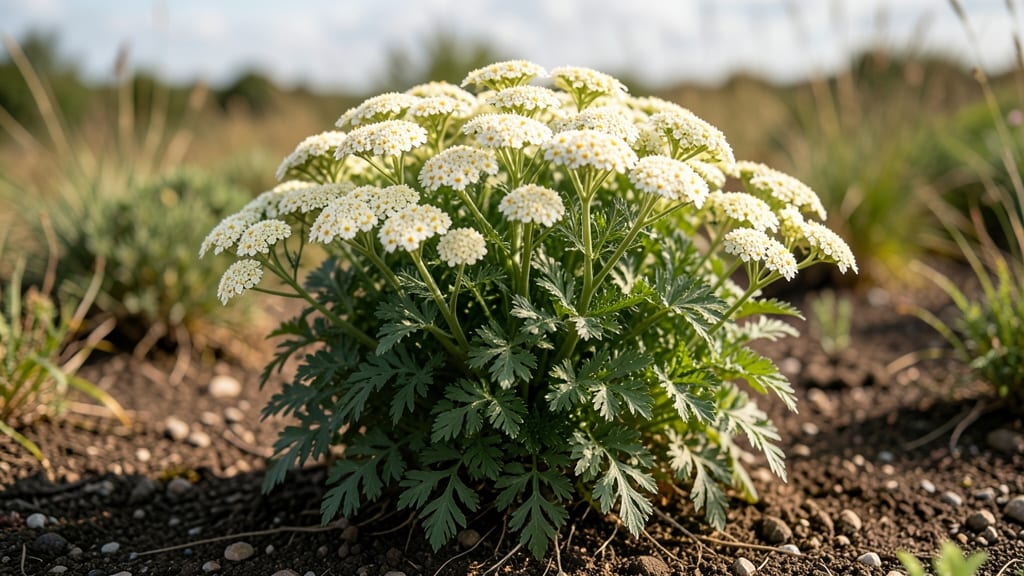
Yarrow does bloom all summer when you consistently deadhead its spent flowers, as this practice forces the plant to redirect energy toward new growth. Without regular pruning, its vibrant blooms typically last only 6-8 weeks before fading, but proper trimming can keep flowers appearing well into fall.
This perennial herb thrives on its own self-sustaining cycle—when you snip off faded blooms, you're actually encouraging the plant's natural tendency to produce more flowers. 🌿 The key is timing: deadheading right after the first flush appears (usually in early summer) gives yarrow the best chance to rebound with fresh blooms.
I've seen yarrow plants in my garden continue flowering until the first frost when I stick to a weekly deadheading routine during peak bloom season.
What makes yarrow unique is its ability to regenerate from the base rather than just the tips. Unlike many annuals, yarrow produces multiple lateral buds that can develop into new flower stems when given the right conditions.
This makes it one of the most resilient perennials for continuous summer color in gardens.
💡 In This Article
- How Deadheading Extends Yarrow’s Summer Bloom Cycle
- Best Deadheading Techniques for Yarrow Reblooming
How deadheading extends yarrow’s summer bloom cycle
Deadheading yarrow works because this plant follows a unique growth pattern. Unlike annuals that bloom once and die, yarrow is a hardy perennial that produces flowers from multiple lateral buds along its stems.
When you remove spent blooms, you're essentially signaling the plant to redirect its energy from seed production (which would end the current bloom cycle) back into developing new flower stems from those dormant lateral buds.
This process is called apical dominance reversal, where the plant's growth hormones shift from the main stem to side branches.
The botanical magic happens at the cellular level. Yarrow stores energy in its deep root system, which can sustain multiple bloom cycles when properly stimulated. Each time you snip off a faded flower head, you're removing the plant's incentive to allocate resources toward seed development.
Instead, those nutrients flow back into the roots and lateral buds, priming them to burst into new growth within 2-3 weeks. The key is consistency—skipping even one deadheading session can break this cycle and allow the plant to focus on seed production instead.
What sets yarrow apart from other perennials is its self-pruning ability. Many plants require more aggressive cutting back, but yarrow responds to gentle deadheading. The plant's natural growth habit means it produces flowers along its entire stem length, not just at the tips.
This allows for more frequent blooming opportunities throughout the season. In my experience, yarrow plants that receive regular deadheading can produce 3-4 distinct bloom cycles in a single growing season when conditions are ideal.
Temperature and daylight also play crucial roles in this process. Yarrow typically begins its first flush of blooms when daytime temperatures reach 65-70°F consistently. Each subsequent bloom cycle requires about 6-8 weeks of warm weather and proper deadheading to trigger new growth.
The plant's natural dormancy period in winter helps it recharge for the next growing season, but with proper care, it can continue flowering until the first hard frost in fall.
One common misconception is that deadheading will make yarrow grow taller. Actually, the opposite often happens—the plant focuses its energy on producing more flowers rather than extending stem length. The result is a bushier, more compact plant with continuous blooms.
This is why gardeners often see yarrow plants that look like they've been blooming nonstop all summer—it's not magic, it's just good horticultural practice working with the plant's natural growth patterns.
For best results, aim to deadhead yarrow every 7-10 days during peak bloom season. This frequency keeps the plant in a continuous flowering state while preventing it from putting energy into seed production.
The visual difference between a regularly deadheaded yarrow plant and one that's been neglected is striking—the well-maintained plant will have a dense, colorful appearance throughout the summer, while the neglected one will show browned flower heads and sparse new growth.