
Blooming
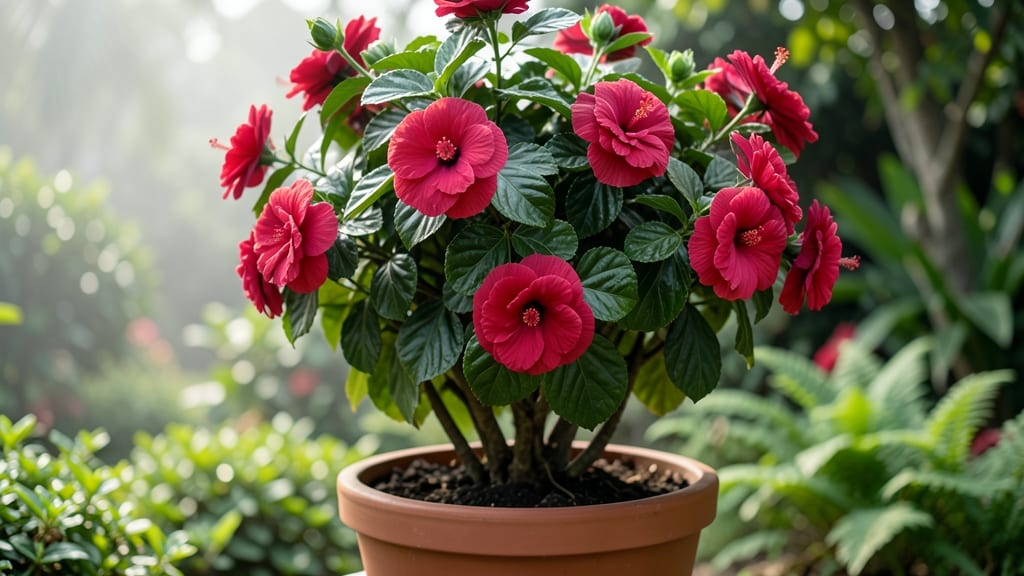
A double bloom hibiscus plant turns your garden into a riot of color with twice the flowers and half the deadheading. 🌺 I've grown these showstoppers for years, and they've taught me that dramatic blooms don't require constant pruning—just the right timing and care.
The secret lies in their natural growth patterns, where each stem produces two blooms instead of one, creating lush, continuous displays that last from spring through fall (and even indoors with proper light).
The key to their success is mimicking their tropical origins: bright, indirect sunlight for 6-8 hours daily, well-draining soil rich in organic matter, and consistent moisture without soggy roots.
My plants thrive in zones 9-11, but with winter protection (like moving pots indoors or adding mulch), they'll reward you with bold, velvety blooms in shades of pink, red, and white that rival any cut flower arrangement.
What sets these apart is their low-maintenance blooming habit—no need to snip spent flowers daily. Simply remove faded blooms once a week, and you'll encourage new growth while keeping the plant looking its best.
The foliage alone is stunning, with deep green, glossy leaves that frame each blossom like a living painting. For gardeners who love drama but hate fuss, this hibiscus is a game-changer.
Whether you're filling containers on a patio or creating a tropical border, these plants deliver showstopping color with minimal effort. Here's how to make them thrive in your space!
📚 In This Guide
- What you need
- Instructions
- Tips and common mistakes
- Wrapping up and next steps
What you need
- ● Double Bloom Hibiscus Plant: 1 healthy nursery-grown plant (preferably Hibiscus rosa-sinensis 'Double Bloom' cultivar)
- ● OR 2-3 double bloom hibiscus seeds (germination rate is lower; expect 50-70% success)
- ● Container or Garden Space: For containers: 1-2 large pots (12-18" diameter) with drainage holes
- ● For garden beds: Full sun exposure (6+ hours/day) and well-draining soil
- ● Soil: 1 bag (50 lbs) of well-draining potting mix (e.g., African violet mix or cactus/succulent blend) OR amend garden soil with 1 part perlite/sand per 3 parts soil
- ● Fertilizer: 1 bottle (16 oz) of balanced liquid fertilizer (10-10-10 or 20-20-20)
- ● 1 slow-release granular fertilizer (e.g., Osmocote 14-14-14)
- ● Watering Supplies: Watering can with a rose nozzle (for gentle watering)
- ● Hose with adjustable spray nozzle (for outdoor plants)
- ● Pruning Tools: 1 pair of sterilized pruning shears (for shaping and deadheading)
- ● 1 small hand saw (for thicker stems, if needed)
- ○ Support (Optional but Helpful): 1-2 bamboo stakes or tomato cages (for taller varieties)
- ● 1 roll of garden twine (for securing plants)
- ● 1 mulch blanket (to retain moisture and regulate soil temperature)
- ● 1 pH testing kit (ideal soil pH: 6.0-7.0 for hibiscus)
- ● 1 humidity tray (for indoor plants in dry climates)
- ● 1 plant food booster (e.g., fish emulsion or compost tea for extra nutrients)
- ● 1 spray bottle (for misting leaves in hot, dry conditions)
How to grow a double bloom hibiscus plant for year-round color
Here's how I keep my hibiscus blooming nonstop with almost no deadheading—just a few smart tricks.
🌱 Step 1: Choose the Right Variety and Location
Start with a double bloom hibiscus variety like 'Dwarf Red' or 'Lavender Lady'—they're bred to produce abundant flowers with minimal effort. Place your plant where it gets 6-8 hours of direct sunlight daily. Morning sun with afternoon shade works best in hot climates, but hibiscus will tolerate full sun if you keep soil consistently moist.
I always check the plant's growth pattern before buying—look for sturdy stems and healthy leaves. Avoid leggy plants with sparse foliage; they won't rebound well. If you're growing in containers, choose a pot at least 12 inches wide with drainage holes to prevent root rot.
☀️ Step 2: Provide Consistent Water and Fertilizer
Water your hibiscus when the top inch of soil feels dry—this plant hates drought stress, which causes buds to drop. In containers, you may need to water daily during hot weather. I use a moisture meter to check soil levels because hibiscus roots are shallow and dry out fast.
Feed with a balanced liquid fertilizer (10-10-10) every 4-6 weeks during growing season. In late summer, switch to a low-nitrogen, high-phosphorus formula (5-10-10) to encourage more blooms. Never let fertilizer build up in the soil—always water thoroughly after feeding.
✂️ Step 3: Prune Strategically for Continuous Blooms
Here's the trick: prune only after flowering. When you see a spent bloom, cut the stem back to the next set of leaves below it. This encourages new growth and more flowers. I use clean, sharp pruners and make cuts at a 45-degree angle just above a leaf node.
For shaping, trim back leggy stems in early spring by one-third to promote bushier growth. Never prune more than 25% of the plant at once—this stresses hibiscus and reduces flowering. Watch for new buds forming within 4-6 weeks after pruning; that's your sign it's working.
🪴 Step 4: Protect from Pests and Temperature Shifts
Check leaves regularly for aphids or whiteflies—these pests suck plant juices and cause buds to drop. Spray with neem oil solution at the first sign of trouble. I also rotate my plants weekly to prevent pests from settling on one side.
Hibiscus is tropical at heart—protect from temperatures below 50°F. In cold climates, bring potted plants indoors near a sunny window before frost. If you must overwinter outside, wrap the pot in bubble wrap and cover with frost cloth on chilly nights.
⏰ Step 5: Extend Blooming Season with Smart Care
The secret to year-round blooms is keeping your hibiscus happy during dormant periods. In winter, reduce watering to every 7-10 days and stop fertilizing until spring. Move plants to a bright spot where they get at least 4 hours of light daily—even indoor hibiscus need sunlight to bloom.
When new growth appears in early spring, resume regular watering and feeding. Watch for buds forming in 3-4 weeks—this tells me the plant is ready for another blooming cycle. With this approach, I've had continuous flowers from May through October with occasional winter blooms in warm climates.
Tips & tricks for perfect double bloom hibiscus care
These simple strategies will help you maintain vibrant blooms with minimal effort—no green thumb required.
Light Optimization: While the instructions recommend 6-8 hours of sunlight, I've found that hibiscus actually thrive with a slight adjustment in extreme heat. If your area gets intense afternoon sun, provide morning sun (3-4 hours) followed by afternoon shade. This prevents leaf scorch while still giving your plant enough light to produce those stunning double blooms. Think of it as giving your hibiscus a gentle sunbath rather than a full-day tan.
Pruning Precision: The instructions mention pruning after flowering, but here's the secret I learned after pruning too aggressively: always cut just above a leaf node at a 45-degree angle. This creates a larger surface area for new growth to emerge. I also keep my pruners clean with rubbing alcohol between cuts—this prevents spreading disease that could stress your plant and reduce blooming.
Fertilizer Timing: The 4-6 week feeding schedule works, but I've found that hibiscus respond even better when fertilized right after a heavy watering session. This helps prevent fertilizer burn, which can cause leaf drop and stress. I also switch to the low-nitrogen formula in early August rather than late summer—this gives my plants a head start on fall blooming before the cooler weather arrives.
Winter Care: When reducing winter watering to every 7-10 days, I check soil moisture by sticking my finger about 2 inches deep. If it feels dry at that depth, it's time to water. This deeper check prevents overwatering, which is a common mistake that leads to root rot during the plant's dormant period. I also move my indoor hibiscus to a south-facing window where they get that crucial 4 hours of light daily.
Pro Tips for Double Bloom Hibiscus Plant
- These simple strategies will help you maintain vibrant blooms with minimal effort—no green thumb required.
- Light Optimization: While the instructions recommend 6-8 hours of sunlight, I've found that hibiscus actually thrive with a slight adjustment in extreme heat.
- Pruning Precision: The instructions mention pruning after flowering, but here's the secret I learned after pruning too aggressively: always cut just above a leaf node at a 45-degree angle.
Frequently asked questions
about the stunning double bloom hibiscus—because even the most beautiful plants come with questions! Here are some of the most common ones to help you grow with confidence.How do I encourage my double bloom hibiscus to flower more frequently?
Double bloom hibiscus thrives with full sun (6+ hours daily) and regular watering (keep soil moist but not soggy). Prune lightly after flowering to promote bushier growth, and fertilize with a balanced, bloom-boosting formula (like 10-10-10) every 4-6 weeks during growing season. Deadhead spent blooms to redirect energy into new flowers!
Why isn’t my double bloom hibiscus flowering this year?
If your hibiscus is leafy but not blooming, it’s likely due to over-fertilizing with nitrogen (which encourages foliage over flowers) or insufficient sunlight. Try moving it to a sunnier spot, switch to a bloom-specific fertilizer, or prune to reduce dense growth. Patience is key—some varieties need 1-2 years to mature!
Can double bloom hibiscus survive winter indoors?
Yes! If you’re in a cold climate, bring potted hibiscus indoors before temps drop below 40°F (4°C). Place it near a south-facing window for sunlight and reduce watering. Mist leaves occasionally to combat dry indoor air. Resume outdoor care in spring when frost risk passes.
What’s the difference between double bloom and single bloom hibiscus?
Double bloom hibiscus has two layers of petals (like a ruffled peony), creating a fuller, more dramatic look. Single bloom varieties have one layer of petals and often bloom more prolifically. Double blooms are stunning but may require extra care—they’re less hardy and need pruning to stay healthy!
Can I propagate my double bloom hibiscus from cuttings?
Take 4-6 inch cuttings from healthy stems (just below a leaf node), dip in rooting hormone, and plant in moist perlite or sand. Keep humid (use a plastic bag) and in bright, indirect light. Roots should form in 2-4 weeks. Pro tip: Avoid overwatering—root rot is a common pitfall!
Wrapping up and next steps
The double bloom hibiscus is a stunning, low-maintenance plant that rewards you with year-round color and effortless beauty—perfect for gardeners who love blooms without the hassle!
Whether you're a seasoned gardener or just starting, this variety proves that big results come with minimal deadheading, making it a dream for busy plant parents. 🌸
Ready to transform your garden or patio? Start by selecting your favorite double bloom variety and give it the care it deserves—your future blooms will thank you! 🌿✨