
Blooming
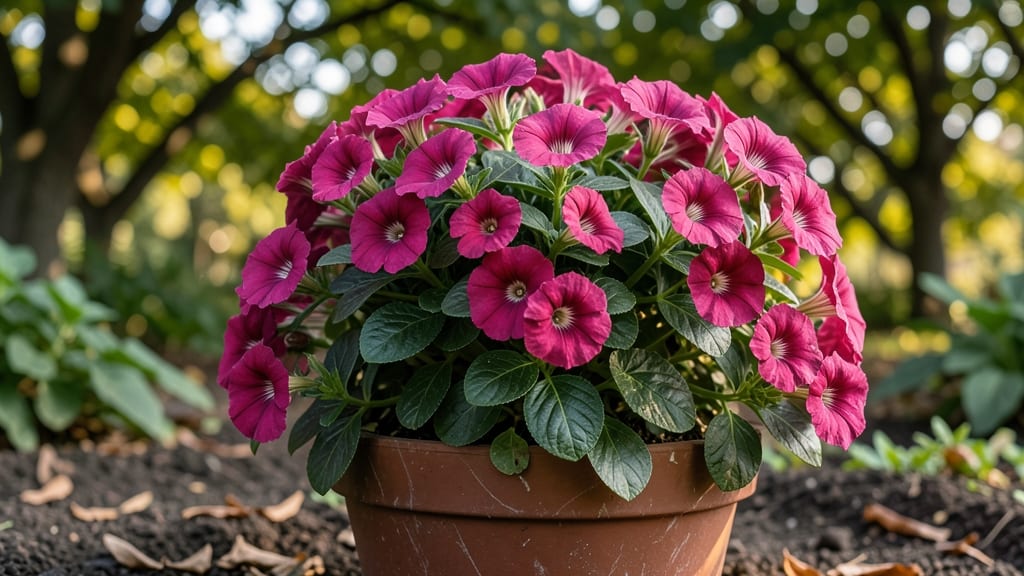
Double bloom impatiens transform shady spots into nonstop color factories—and they’re shockingly easy to grow. 🌸 I’ve grown them for years, and these double-flowered varieties keep blooming like clockwork, even when other plants take summer naps.
The secret lies in their love of consistent moisture, rich soil, and just the right amount of shade. You’ll need a spot with morning sun and afternoon shade, well-draining soil, and regular watering—think of them like thirsty divas who’ll wilt if you forget.
Plant them 10-12 inches apart in containers or garden beds, and they’ll spill over edges like a waterfall of petals. Fertilize lightly every 4-6 weeks, and you’ll get blooms from spring until frost.
What you end up with is a shadow garden that looks like a tropical paradise—velvety petals in pink, purple, and white, all season long. Even my black thumb can’t kill these, and they bounce back from pests better than most annuals. The only real trick?
Deadheading spent blooms to keep the flowers coming. Works in containers, hanging baskets, or garden beds—just keep them happy with moisture and shade. Let’s get those double blooms growing!
📚 In This Guide
- What you need
- Instructions
- Tips and common mistakes
- Wrapping up and next steps
What you need
- ● Double Bloom Impatiens Plants: 3–5 plants per container (6–12" pots) or 1 plant per square foot in garden beds. Choose disease-resistant varieties like 'Double Rainbow' or 'Super Elfin'.
- ● Well-Draining Potting Mix: 1–2 bags (1–2 cubic feet each) of high-quality, peat-based mix (e.g., Miracle-Gro Potting Mix). Avoid garden soil—it compacts too easily!
- ● Containers (if applicable): Hanging baskets: 10–12" diameter (minimum 2–3 plants per basket).
- ● Window boxes or pots: 6–8" depth with drainage holes.
- ● Slow-Release Fertilizer: 1 tablespoon per plant of osmocote or similar (14-14-14 ratio) mixed into the soil.
- ● Mulch: 1–2 inches of shredded bark or coconut coir to retain moisture.
- ○ Garden Gloves (optional but recommended for handling soil and plants).
- ● Trowel or Small Hand Shovel for transplanting.
- ● Watering Can or Hose with Gentle Nozzle (avoid overhead watering to prevent mildew).
- ● Pruning Shears (for deadheading or shaping plants).
- ○ Drip Irrigation Kit or Self-Watering System (optional but ideal for consistent moisture).
- ● Shade Cloth (30–50%) (if growing in hot climates; impatiens thrive in partial shade).
- ● 🌡️ Temperature Check: Impatiens love 60–75°F. If temps dip below 50°F, move containers indoors near a bright window.
- ● ✨ Lighting Hack: Use grow lights (12–14 hours/day) in winter to extend blooming.
- ● 💧 Water Wisdom: Keep soil consistently moist (not soggy)—impatiens hate drying out!
How to grow double bloom impatiens for long-lasting color
Here's my go-to method for keeping these vibrant flowers blooming all season with minimal effort.
🌱 Step 1: Choose the Right Location and Soil
Double bloom impatiens thrive in partial shade—think 4-6 hours of morning sun with afternoon shade protection. I always plant mine under tall trees or on east-facing porches where they get gentle light. These plants hate hot, drying afternoon sun, which causes leaves to crisp and flowers to fade.
Use well-draining potting mix (never garden soil) if growing in containers. For in-ground planting, amend the soil with 2-3 inches of compost to improve drainage and fertility. Double bloom impatiens are sensitive to soggy roots, so if your soil drains poorly, mix in perlite or sand (about 20% by volume) to create air pockets.
💧 Step 2: Plant and Water Consistently
Plant your impatiens 12-18 inches apart—this spacing gives them room to fill out without crowding. Dig holes twice as wide as the root ball but only as deep. Place the plant so the top of the root ball sits level with the soil surface (burying too deep suffocates the stems). Gently firm the soil around the roots to eliminate air pockets.
Water deeply right after planting so roots establish quickly. Then, keep the soil evenly moist—never let it dry out completely. I check moisture by sticking my finger 1 inch into the soil; if it feels dry, it's time to water. Double bloom impatiens wilt easily when thirsty, so I set up a drip irrigation system or water in the early morning to reduce evaporation.
☀️ Step 3: Fertilize and Deadhead Regularly
Feed your impatiens every 2-3 weeks with a balanced, water-soluble fertilizer (10-10-10 or 20-20-20) diluted to half-strength. I mix it directly into the watering can to avoid leaf burn. These plants are heavy feeders, so don’t skip this step—it’s what keeps them blooming nonstop. Stop fertilizing in late summer to encourage dormancy if you’re overwintering them.
Deadheading spent blooms is the secret to their long-lasting vibrancy. Pinch off faded flowers at the base with your fingers (no need for scissors) or snip them with clean pruners. I do this 2-3 times a week during peak bloom season. Removing spent blooms redirects energy to new flowers, preventing the plant from going to seed and extending the bloom time by 4-6 weeks.
✂️ Step 4: Prune for Bushier Growth
Pinch back the top set of leaves when plants are 6-8 inches tall to encourage branching. This simple step transforms leggy, sparse growth into a full, bushy plant. I use my thumb and forefinger to gently squeeze the stem just above a leaf node—no tools needed. Repeat this pruning every 4-6 weeks throughout the growing season to maintain shape and density.
If your impatiens start looking ragged by mid-season, give them a light trim by cutting back one-third of the tallest stems. This rejuvenates the plant and often triggers a second flush of blooms. Always use clean, sharp pruners to avoid spreading disease, and water thoroughly after pruning to reduce stress.
🪴 Step 5: Overwinter for Year-Round Blooms
If you want to keep your double bloom impatiens going year-round, bring potted plants indoors before the first frost. Move them to a cool, bright spot (like a sunroom or under grow lights) where temperatures stay between 55-65°F. Reduce watering to once every 10-14 days and stop fertilizing entirely. The plant will enter a dormant-like state but stay alive.
In early spring, resume regular care. You’ll notice new growth within 3-4 weeks, signaling it’s time to move them back outside. For in-ground plants, mulch heavily with 2-3 inches of straw or leaves to protect roots from freezing. In warmer climates, impatiens may survive winter outdoors with proper mulching, but they’ll often look tired until spring pruning revives them.
Tips & tricks for perfect double bloom impatiens
These simple strategies will help you keep your vibrant impatiens thriving all season long with minimal effort.
Sunlight Strategy: The 4-6 hours of morning sun is non-negotiable for double bloom impatiens, but here's what I've learned about afternoon shade: Use sheer curtains or lattice screens to diffuse harsh afternoon light rather than creating deep shade. This allows some gentle light penetration while protecting leaves from burning. I've noticed plants under sheer fabric actually produce slightly more blooms than those in complete shade.
Soil Secret: When amending soil with perlite or sand for better drainage, I like to mix it directly into the planting hole rather than the entire garden bed. This creates a perfect micro-environment for the roots while maintaining the natural soil structure around the plant. For containers, I always add a 1-inch layer of perlite to the bottom before adding potting mix—this prevents waterlogging from the very first watering.
Watering Wisdom: The "finger test" for moisture is brilliant, but here's what I've added: Check soil moisture at the same time each morning to establish a routine. I've found that impatiens in containers dry out faster than in-ground plants, so I water container plants every morning regardless of the finger test. The key is consistency—these plants hate moisture fluctuations.
Deadheading Timing: Those 2-3 times a week during peak bloom might seem like a lot, but here's my trick: Set a timer on your phone for every 3-4 days as a reminder. When you see faded blooms, pinch them off while you're already watering—it takes just seconds and keeps your hands clean. I've extended bloom time by up to 8 weeks using this method, and it saves time in the long run.
Pro Tips for Double Bloom Impatiens
- These simple strategies will help you keep your vibrant impatiens thriving all season long with minimal effort.
- This allows some gentle light penetration while protecting leaves from burning.
- Soil Secret: When amending soil with perlite or sand for better drainage, I like to mix it directly into the planting hole rather than the entire garden bed.
Frequently asked questions
Got questions about keeping your double bloom impatiens thriving? You’re not alone! Here are answers to the most common queries—so you can enjoy their vibrant blooms all year long with minimal stress.
How do I encourage double bloom impatiens to flower year-round?
These beauties love consistent moisture and partial shade (think dappled sunlight). Deadhead spent blooms regularly to prompt new flowers, and fertilize lightly every 4–6 weeks with a balanced, water-soluble formula. Overcrowding? Thin seedlings early to improve airflow and reduce stress.
Can double bloom impatiens survive winter outdoors?
Most varieties are tender perennials and won’t tolerate frost. In cold climates, grow them as annuals or overwinter indoors near a bright window. For zones 10–11, mulch heavily and protect with frost cloth if temps dip below 40°F. Patience pays off—spring reblooms are worth the effort!
Why are my impatiens’ leaves turning yellow or spotted?
Yellowing often signals overwatering or poor drainage. Spots? Likely fungal issues (like downy mildew) or pests (aphids, slugs). Fix it fast: Improve drainage, space plants for airflow, and treat with neem oil or insecticidal soap. Prevention tip: Avoid wetting foliage when watering.
Are there low-maintenance alternatives to double bloom impatiens?
Yes! Try begonias (shade-tolerant, long-blooming), caladiums (dramatic foliage), or fuchsias (similar care, slightly hardier). For sun lovers, petunias or geraniums are tougher but still vibrant. Each has unique charm—mix and match for variety!
How quickly will my impatiens bloom after planting?
With ideal conditions (moisture, shade, warmth), you’ll see blooms in 6–8 weeks from seed or 4–6 weeks from transplants. Pro tip: Start seeds indoors 8–10 weeks before your last frost for an early jumpstart. Patience is key—once they take off, they’re showstoppers!
Wrapping up and next steps
Double Bloom Impatiens are the effortless superstars of vibrant, long-lasting color—perfect for gardeners who crave beauty without the hassle! 🌸 With their year-round blooming potential and low-maintenance care, these plants prove that stunning gardens don’t require endless upkeep.
Whether you’re a beginner or a seasoned pro, they’re your ticket to instant, cheerful curb appeal.
Ready to transform your space? Start small: grab a few plants, follow the simple care tips, and watch your garden bloom with joy! 🌿 For extra inspiration, explore seasonal planting guides or mix Double Bloom Impatiens with other shade-loving companions—your garden’s next masterpiece is just a seedling away!