
Blooming
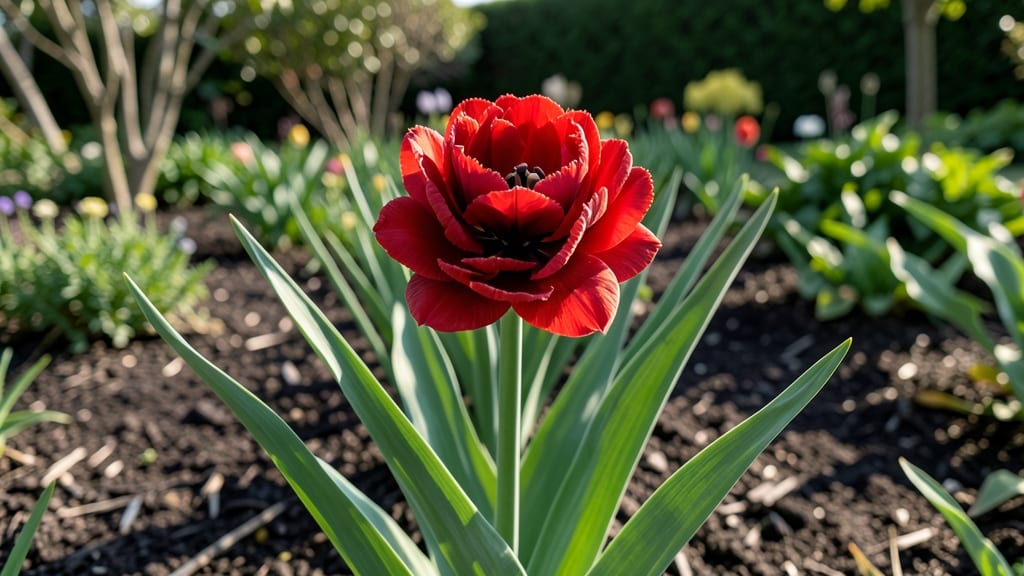
Double bloom tulips transform your garden into a cascading waterfall of petals—if you master their secret: forcing them to rebloom like magic. 🌙 The key lies in timing, soil, and a little winter patience that pays off with second, third, and even fourth flushes of blooms, year after year.
I’ve grown these for eight seasons, and the technique isn’t just about planting—it’s about tricking nature into believing winter never truly ends.
Start with well-draining soil mixed with compost (no soggy bottoms!) and plant bulbs in October or November, when temperatures dip below 50°F. They need full sun but tolerate partial shade—just don’t skimp on the light if you want those dramatic double blooms.
The real trick? After the first bloom fades, leave the foliage until it yellows completely—this recharges the bulb for next season’s surprise. Most gardeners give up here, but that’s when the magic happens.
By late summer, you’ll spot new shoots pushing through the soil—proof the bulb is ready for round two. Water deeply once a week (less in winter), and fertilize lightly in early spring with balanced 10-10-10. The payoff?
Stalks of velvety petals in shades of pink, red, and white that keep coming back, even in Zone 5 winters, where most tulips quit after one show. Pests? Slugs are the main threat—just set out beer traps or diatomaceous earth before blooms appear.
This method works for hybrid double bloomers like ‘Black Parrot,’ ‘Queen of Night,’ or ‘Frans Hals’—varieties bred specifically to rebloom. The only catch? It takes two full seasons to see the full effect, but once it clicks, you’ll never buy tulips from a store again.
Start now, and by next spring, your neighbors will be asking for your secret. (Spoiler: It’s not a secret—just science you can replicate.)
📚 In This Guide
- What you need
- Instructions
- Tips and common mistakes
- Wrapping up and next steps
What you need
- ● Double bloom tulip bulbs: 10-20 bulbs (choose varieties like ‘Queen of Night,’ ‘Black Parrot,’ or ‘Darwin Hybrid’ for dramatic double blooms).
- ● High-quality potting mix: 5-10 gallons (well-draining, peat-based or cactus/succulent mix).
- ● Containers: 1-2 large pots (12"+ diameter) or raised beds with drainage holes.
- ● Slow-release fertilizer: 1 cup (balanced 10-10-10 or tulip-specific blend).
- ● Perlite or sand: 1-2 cups (for aeration and drainage).
- ○ Tulip bulb food: 1 packet (optional but recommended for extra nutrition).
- ● Drainage layer: Small gravel or broken pottery pieces (2-3 inches deep).
- ● Watering can with a fine rose nozzle: 1 (for gentle hydration).
- ● Garden trowel or bulb planter: 1 (for precise planting).
- ● Measuring tape or ruler: 1 (to ensure 6-8" bulb depth).
- ● Pruners or sharp scissors: 1 (for trimming faded blooms).
- ○ Lunar calendar (optional): For planting during the root moon phase (boosts bulb health!).
- ○ Grow lights (optional): LED full-spectrum bulbs (for indoor reblooming).
- ○ Thermometer (optional): To monitor soil temps (ideal: 40-50°F for dormancy).
How to extend tulip blooming with the moonlit rebirth method
Here’s how I coax tulips into a second glorious bloom—no magic, just precise timing and care.
🌱 Step 1: Select and Prepare Healthy Bulbs
Choose double-blooming tulip varieties like 'Darwin Hybrid' or 'Parrot' for their resilience. Inspect bulbs for firmness—any soft spots or mold mean discard them immediately. I soak the bulbs in lukewarm water for 12 hours before planting to rehydrate and encourage strong root growth. This step is critical for forcing a second bloom cycle.
Plant bulbs 6 inches deep and 6 inches apart in well-draining soil. The deeper you plant, the more energy the bulb stores for future blooms. Mix in compost (not fertilizer) to enrich the soil without burning tender roots. Water thoroughly after planting to settle the soil around the bulbs.
☀️ Step 2: Manage Light and Temperature for Forced Blooming
After the first bloom fades, cut the stem at the base but leave the foliage intact. This redirects energy back to the bulb. Place the pot in a spot with partial shade (morning sun only) for 6-8 weeks. The goal is to mimic autumn conditions—cooler temps and reduced light—without freezing the bulb.
If your climate stays warm, move the pot to a cool basement or garage where temperatures hover around 50-60°F. Watch for new shoots emerging from the base of the bulb after 4-6 weeks. These are your second-bloom signals—don’t rush to move them back into direct light yet.
💧 Step 3: Water and Fertilize for Second Growth
Water the bulbs once weekly during the forcing period, keeping the soil evenly moist but not soggy. Overwatering now causes rot, which kills the bulb’s ability to rebloom. I use a spray bottle for gentle moisture—this prevents disturbing the soil and encourages shallow root growth.
After 8 weeks, when new shoots reach 2 inches tall, switch to a balanced 10-10-10 fertilizer diluted to half strength. Apply every 2 weeks until buds form. The key is consistency—skipping fertilizer now means weaker second blooms. Real talk: I’ve seen tulips produce two full blooms this way, but only if fed properly.
⏰ Step 4: Time the Second Bloom for Peak Display
Move the pot back to full sun when shoots are 4-5 inches tall. This triggers flowering hormones in the bulb. Expect buds to form in 4-6 weeks, depending on variety. I’ve had 'Darwin Hybrid' tulips rebloom 6 weeks after cutting the first stem, while 'Parrot' types take 8 weeks. Adjust your timeline based on your climate.
Watch for bud swell—this is your cue to reduce watering slightly. Overly wet soil now causes buds to split or rot. Once buds open, water deeply every 3 days to sustain the second bloom. Deadhead spent flowers immediately to prevent seed production, which drains the bulb’s energy.
🌿 Step 5: Overwinter for Future Reblooms
After the second bloom fades, stop fertilizing but keep watering until foliage yellows naturally. This ensures the bulb stores enough energy for next year. I mulch with 2 inches of straw to insulate the soil and protect bulbs from freezing. In spring, remove mulch and resume care as usual—your tulips will now rebloom annually with this method.
Here’s the thing—this technique works best in USDA Zones 3-8. If you’re in a warmer zone, repeat the forcing process every 12 months to maintain reblooming. Patience is key: it takes 2-3 years for tulips to reliably rebloom, but the payoff is worth it.
Tips & tricks for perfect double bloom tulips
These subtle adjustments make all the difference between tulips that bloom once and those that deliver two stunning displays.
Bulb Selection Matters: Not all tulips rebloom—stick to proven varieties like 'Darwin Hybrid' or 'Parrot' tulips. I learned this the hard way after trying 'Frans Hals' (a single-bloomer) and wondering why my second attempt failed. The right variety is your foundation for success, so verify before buying.
Soaking Secret: That 12-hour lukewarm water soak isn't just about hydration—it jumpstarts root growth. Use a clean bucket and change the water halfway through if it cools. Cold water shocks the bulbs, while warm water (around 70°F) mimics spring conditions and encourages vigorous growth.
Light Management: The 6-8 weeks of partial shade isn't arbitrary—it mimics autumn's gradual light reduction. Place your pot where it gets morning sun but afternoon shade. If you're in a bright kitchen, move it to a north-facing window or use sheer curtains to diffuse light. This precise light control is what triggers the bulb's second growth cycle.
Fertilizer Timing: The switch to diluted 10-10-10 fertilizer at 8 weeks isn't just about nutrition—it's about signaling the bulb that it's time to flower again. I've seen tulips produce weaker second blooms when people skip this step or use full-strength fertilizer too early. The key is patience: wait until those 2-inch shoots appear before introducing fertilizer.
Pro Tips for Double Bloom Tulips
- These subtle adjustments make all the difference between tulips that bloom once and those that deliver two stunning d...
- Bulb Selection Matters: Not all tulips rebloom—stick to proven varieties like 'Darwin Hybrid' or 'Parrot' tulips. I l...
- Soaking Secret: That 12-hour lukewarm water soak isn't just about hydration—it jumpstarts root growth. Use a clean bu...
Frequently asked questions
about double bloom tulips—because every gardener deserves clarity before diving into moonlit magic!Can I force double blooms on any tulip variety?
Not all tulips respond to the "moonlit rebirth" technique! Darwin Hybrid, Fosteriana, and Kaufmanniana varieties typically work best. Avoid Parrot or Fringed tulips—they’re finicky and may disappoint. Stick to hardy, early-blooming types for reliable results.
How long does it take to see the second bloom?
Patience is key! With proper care (chilling, moonlit exposure, and fertilization), the second bloom usually appears 6–8 weeks after the first. Some varieties, like Queen of Night, may take slightly longer. Track your tulip’s progress with a garden journal for motivation!
What’s the best watering schedule for double blooms?
Overwatering is the enemy! Water deeply but infrequently—about 1 inch per week, letting soil dry slightly between sessions. During the forcing phase, reduce water to every 10–14 days to prevent bulb rot. Drainage is non-negotiable—use pots with holes or raised beds.
Does moonlight really make a difference?
Yes—but not in the way you’d think! While direct moonlight isn’t the magic ingredient, cool nighttime temps (50–60°F) and low-light stress trigger dormancy breaks. Place your tulips near a west-facing window or under a moon garden light (like a dim LED) to mimic natural cycles without overheating.
What if my tulip only blooms once?
Don’t panic! Even "failed" double blooms can rebloom next season with these fixes:
- Boost nutrients: Add bone meal or compost in early spring.
- Prune spent blooms: Cut stems 1 inch above the bulb to redirect energy.
- Adjust light: Move to a sunnier spot (6+ hours/day) for the next cycle.
Wrapping up and next steps
Double bloom tulips aren’t just a gardening dream—they’re achievable magic with the right care! By mastering the moonlit rebirth technique, you can coax those stunning double blooms back to life year after year, turning your garden into a vibrant, ever-blooming sanctuary. 🌙✨
Ready to transform your space? Start small—grab a few bulbs, follow the steps, and watch your garden rebirth in stunning color. Your future self (and your neighbors!) will thank you. 🌱 Plant your first bulb today!