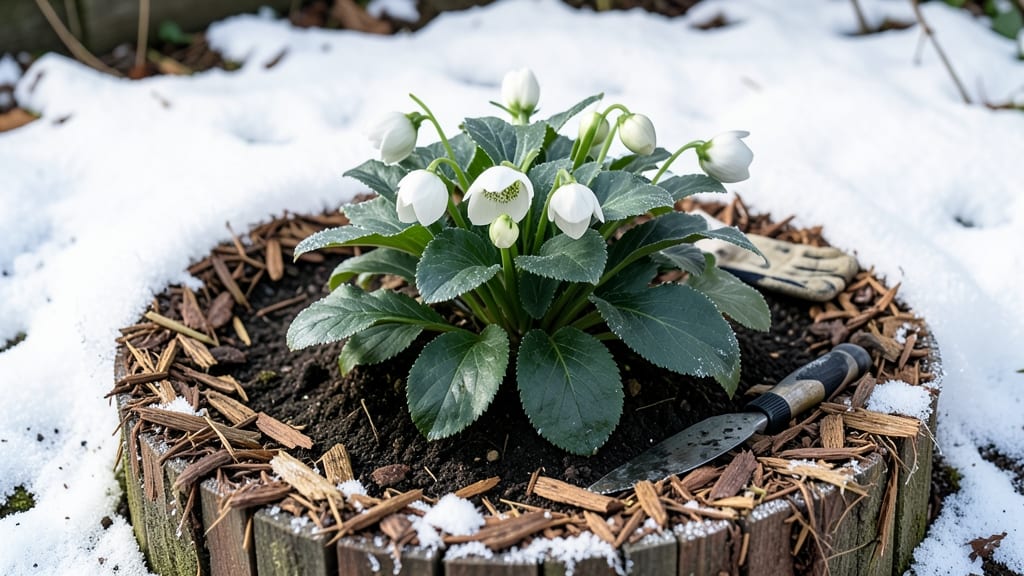
Winter-blooming flowers outside can turn a frosty garden into a vibrant masterpiece, proving that cold weather doesn’t mean color has to fade away.
Picture this: snowflakes dusting the branches while delicate blooms like hellebores and winter jasmine burst with life—it’s a scene that feels almost magical. Yet, many gardeners assume winter means dormancy, but these hardy varieties thrive when others retreat.
From USDA Zone 3 to Zone 8, the right flowers can bring structure, texture, and bursts of color even in the chillest months. Whether you’re in a coastal climate or a northern state, there’s a cold-resistant bloom waiting to transform your winter landscape.
Below, I’ll share the top 10 frost-defying flowers, how to plant them for maximum impact, and care tips to keep them blooming beautifully—no matter how harsh the season gets.
Top 10 cold-hardy flowers that bloom in winter outside
Winter gardens can be just as vibrant as spring or summer ones if you choose the right cold-hardy flowers. These resilient plants thrive in frost and even snow cover, offering stunning blooms when most gardens are dormant.
Whether you live in USDA Zone 4 or a milder Zone 7, these varieties will bring year-round color and life to your landscape.
Many gardeners overlook winter blooms, assuming their gardens must sleep until spring. But with the right selection, you can enjoy bright flowers like snowdrops and winter jasmine even in sub-zero temperatures.
These plants not only survive winter but also thrive in cold conditions, making them perfect for low-maintenance winter gardens.
The key to success is selecting varieties adapted to your climate zone and understanding their specific care requirements. Some prefer partial shade, while others need full sun exposure to bloom prolifically.
Below is my curated list of the top 10 cold-hardy flowers that will keep your garden colorful all winter long.
| Flower Name |
USDA Zones |
Bloom Time |
Sunlight Needs |
Winter Care Tips |
| Hellebore (Lenten Rose) |
4-9 |
Late winter to early spring |
Partial shade |
Mulch heavily; tolerates frost |
| Winter Jasmine (Jasminum nudiflorum) |
5-9 |
Late winter to early spring |
Full sun |
Prune after blooming; drought-tolerant |
| Snowdrops (Galanthus) |
3-9 |
Late winter |
Full shade to partial sun |
Plant in clusters; mulch lightly |
| Crocus (Spring Crocus) |
3-8 |
Late winter to early spring |
Full sun to partial shade |
Plant bulbs in fall; protect from heavy frost |
| Winter Aconite (Eranthis hyemalis) |
4-8 |
Late winter |
Partial shade |
Plant in moist, well-drained soil |
| Pansies (Viola × wittrockiana) |
5-10 |
Fall to early spring |
Full sun to partial shade |
Deadhead spent blooms; mulch for frost protection |
| Horned Violet (Viola cornuta) |
5-9 |
Winter to early spring |
Partial shade |
Self-seeds easily; minimal care needed |
| Winter Honeysuckle (Lonicera fragrantissima) |
How to choose and plant winter-blooming flowers for maximum impact
Winter gardens can be just as vibrant as summer ones with the right cold-hardy flowers. Choosing varieties that thrive in your USDA zone and understanding their unique needs is key to creating a stunning winter display.
Many gardeners overlook winter blooms, but with proper selection and planting techniques, you can enjoy color even in the coldest months.
Before selecting your flowers, research winter-blooming varieties suited to your climate. Some top performers include hellebores (USDA zones 4-9), winter jasmine (zones 5-8), and snowdrops (zones 3-9). These plants not only survive frost but also provide early-season color when most gardens are still dormant.
Step-by-Step Guide to Planting Winter-Blooming Flowers
- 1. Select the Right Varieties – Choose flowers native to your USDA zone or proven winter performers like pansies (zones 3-11) or crocuses (zones 3-8). Check bloom times to ensure year-round interest.
- 2. Test and Amend Soil – Winter flowers prefer well-draining, slightly acidic soil (pH 6.0-7.0). Add compost or organic matter to improve drainage and fertility before planting.
- 3. Choose the Best Location – Most winter bloomers need partial shade to full sun. Avoid low-lying areas where frost can settle. South-facing spots often provide the best winter sunlight.
- 4. Plant at the Right Time – For fall planting, aim for 6-8 weeks before your first frost date. This gives roots time to establish before winter. Spring planting is also ideal for bulbs like daffodils.
- 5. Space Plants Properly – Follow spacing guidelines on plant tags. Overcrowding reduces airflow, increasing the risk of fungal diseases in damp winter conditions.
- 6. Mulch for Protection – Apply a 2-3 inch layer of organic mulch (straw or shredded leaves) after planting. This insulates roots, retains moisture, and prevents soil heaving from freeze-thaw cycles.
- 7. Water Deeply Before Freeze – Give plants a deep watering before the first hard frost to ensure they enter dormancy hydrated. Reduce watering in winter unless there’s a prolonged dry spell.
When planting, pay special attention to root depth. Most winter flowers have shallow roots, so avoid burying them too deeply. Gently firm the soil around the base to eliminate air pockets, which can lead to rot.
For container gardening, use well-draining pots and bury them slightly in the ground for extra insulation.
After planting, monitor your winter bloomers for signs of stress. Yellowing leaves may indicate overwatering, while brown edges could signal drought or salt burn from ice melt. Adjust care as needed, but remember—these hardy plants are built to endure winter with minimal intervention.
With the right winter-blooming flowers and proper planting techniques, your garden will stay lively even in the coldest months. Start small with a few frost-resistant varieties, and expand your winter display each year for maximum impact.
★★★★★4.6(3 reviews)