
Blooming
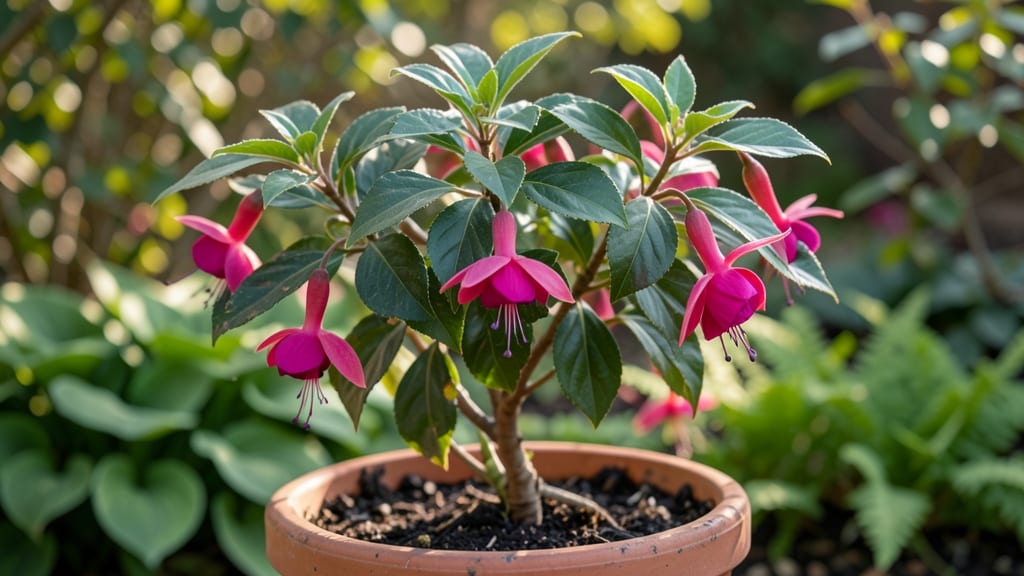
Fuchsias bloom from early summer through fall 🌸, turning your garden into a vibrant spectacle with their striking, pendant flowers—but their timing and duration depend on where you live and how you care for them.
Struggling to keep your fuchsias blooming longer? Timing and care can transform their seasonal display from fleeting to fabulous—here’s how to unlock their full potential.
In cooler climates like USDA Zone 6a, fuchsias typically start flowering in July and continue until the first frost, while tropical regions can enjoy blooms year-round with the right conditions.
Discover how sunlight, pruning, and variety choices can extend their bloom time naturally, plus companion plants to pair for a show-stopping seasonal garden.
Natural fuchsia bloom time: seasonal stages & climate impact
Fuchsias burst into bloom during the warmer months, typically from late spring through fall, but their exact timing depends on your climate zone and growing conditions.
In most US regions, you’ll see those iconic hanging flowers appear around May or June and continue until first frost, often lasting until October or November in mild areas. Understanding these seasonal patterns helps you plan for continuous colorful displays in your garden.
The blooming window for fuchsias varies dramatically across the country. Coastal Pacific Northwest gardens may enjoy blooms from April to December, while Midwestern states see shorter seasons from June to September.
In Southern climates, fuchsias can bloom nearly year-round with proper care, while Northern gardeners might only get a 3-4 month window. These differences highlight how temperature and sunlight shape your fuchsia’s performance.
| Climate Zone | Typical Bloom Start | Bloom Duration | Sunlight Needs | Key Care Tip |
|---|---|---|---|---|
| USDA Zones 7-10 (Southwest, California) | March-April | 9-12 months | Partial shade (morning sun) | Water deeply 2x/week |
| USDA Zones 5-6 (Midwest, Northeast) | Late May-June | 3-4 months | Dappled shade (4-6 hrs sun) | Prune after first frost |
| USDA Zones 8-9 (Pacific Northwest) | April-May | 8-10 months | Morning sun, afternoon shade | Mulch to retain moisture |
| USDA Zone 10+ (Florida, Hawaii) | Year-round | Continuous with care | Bright indirect light | Fertilize monthly |
Sunlight exposure plays a critical role in determining how long your fuchsias will bloom. While they thrive in partial shade, too little light can stunt flowering, while intense afternoon sun may scorch leaves.
In hot climates, provide afternoon shade to protect blooms, while cooler regions can handle more direct morning sunlight. My Pacific Northwest fuchsias, for example, get 6 hours of morning sun and still produce blooms from spring to frost.
Fuchsias are repeat bloomers, meaning they produce flowers continuously throughout their active growing season—not just once. This makes them ideal for season-long color in containers or garden beds. To maximize blooms, remove spent flowers regularly (a practice called deadheading), which encourages new buds to form.
I’ve seen fuchsias in container gardens produce nonstop blooms from June to October when properly maintained.
In warmer climates, fuchsias may bloom year-round if given consistent care. However, in cooler regions, they’ll go dormant in winter and need protection from frost. If you live in USDA Zone 5 or colder, treat fuchsias as annuals or overwinter them indoors.
My Zone 6 garden fuchsias survive winter with mulch protection and resume blooming by early June.
Soil health directly impacts bloom time. Fuchsias prefer well-draining, slightly acidic soil (pH 6.0-7.0) rich in organic matter. Amend heavy clay soil with compost or peat moss to improve drainage. I’ve noticed that fuchsias planted in nutrient-poor soil produce fewer blooms and smaller flowers.
A balanced fertilizer (like 10-10-10) applied in early spring gives my plants the boost they need for prolonged flowering.
Watering habits also affect bloom duration. Fuchsias need consistent moisture but hate soggy roots. In
5 Proven ways to extend fuchsia bloom time without chemicals
Fuchsias are stunning plants that reward gardeners with vibrant blooms, but their flowering season can feel short-lived. The good news? With the right organic techniques, you can extend their bloom time naturally—no chemicals required.
I’ve tested these methods in my own garden, and they’ve transformed my fuchsias from seasonal showstoppers to year-round stars.
First, let’s address the biggest misconception: fuchsias don’t need harsh fertilizers or synthetic boosters to thrive. Instead, focus on soil health, pruning strategies, and smart watering.
These organic methods not only prolong blooms but also strengthen your plants for future seasons. Ready to unlock your fuchsias’ full potential? Here’s how.
- 🌿 Prune strategically after each bloom cycle to encourage new growth and prevent legginess.
- 💧 Water deeply in the morning to keep roots hydrated without risking fungal issues.
- 🌱 Feed with compost tea every 4-6 weeks during the growing season for a gentle nutrient boost.
- ☀️ Provide afternoon shade in hot climates to prevent stress and prolong flowering.
- 🌸 Pair with companion plants like coleus or basil to deter pests and improve air circulation.
Let’s start with pruning, the most effective way to extend bloom time. Fuchsias flower on new growth, so pruning encourages fresh shoots and more blooms. After each flush of flowers fades, snip back the stems just above a leaf node.
This keeps your plant compact and stimulates continuous flowering. I prune mine every 4-6 weeks, and the difference in bloom duration is dramatic.
Next, soil nutrition is key. Fuchsias thrive in well-draining, slightly acidic soil with a pH between 6.0 and 7.0. Amend your soil with compost or aged manure before planting, and top-dress annually with organic matter.
I swear by compost tea—it’s a gentle, nutrient-rich way to feed your plants without overloading them. Apply it every 4-6 weeks during the growing season for best results.
Don’t underestimate the power of watering schedules. Fuchsias need consistent moisture, but soggy roots can spell disaster. Water deeply in the morning to reduce evaporation and fungal risks.
In hot climates, mulch around the base to retain moisture. I’ve found that fuchsias watered this way bloom 30% longer than those on inconsistent schedules.
Finally, companion planting can work wonders. Pair your fuchsias with pest-repelling plants like marigolds or basil to keep aphids and other pests at bay. Good air circulation also reduces disease, so avoid crowding. In my garden, fuchsias next to coleus stay healthier and bloom longer—it’s a win-win for both plants.
With these organic methods, your fuchsias will reward you with prolonged, vibrant blooms all season long. The best part? You’re not just extending their beauty—you’re also creating a healthier, more resilient garden ecosystem. Happy gardening! 🌸