
Blooming
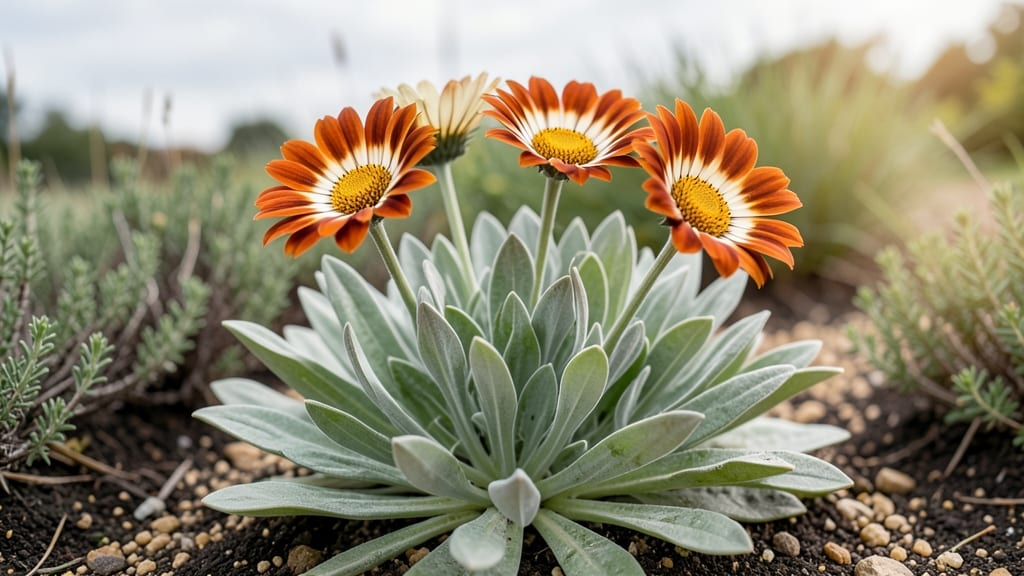
The gazania bloom time thrives from late spring through summer 🌼, but their peak show depends on sunlight, soil warmth, and a few clever tricks to keep them flowering well into fall.
Picture this: your garden bursts into color by June, but by August, the blooms slow down—unless you know the secret. Most gardeners miss the chance to extend that vibrant display because they don’t understand how sunlight intensity and temperature shifts trigger (or stall) flowering.
In Zone 6, where frosts can sneak up by October, the average gazania’s bloom time stretches from June to September—but with the right care, you can coax them into blooming two months longer, even in cooler months.
Here’s how to time your planting, read your plant’s signals, and use deadheading, pruning, and soil tweaks to turn a summer show into a season-long spectacle—no matter where you garden.
Understanding gazania bloom time: natural cycles and seasonal triggers
Gazanias are famous for their sun-loving nature and vibrant daily blooms that close at night. Their natural bloom cycle runs from late spring through fall, typically from May to October in most USDA zones.
This timing aligns perfectly with their native South African habitat, where they experience hot, dry summers and mild winters. Understanding these natural patterns helps you anticipate when to expect those cheerful orange, red, or yellow faces in your garden.
Temperature plays the biggest role in triggering gazania blooms. These plants need consistent daytime temperatures above 60°F (15°C) to initiate bud formation. When nights dip below 50°F (10°C), they enter dormancy, conserving energy until warmer weather returns.
In cooler zones like USDA 8-9, this means blooms may pause entirely in winter, while zones 10-11 can enjoy year-round color with proper care.
Sunlight intensity directly impacts bloom quality and duration. Gazanias require 6+ hours of direct sunlight daily to produce their best displays. In high-light conditions, they'll bloom more frequently and maintain vibrant colors longer.
However, too much midday heat without shade can stress plants, causing buds to drop before opening. This is why afternoon shade in hot climates (like Arizona or Florida) can actually extend bloom time.
Here’s how gazania bloom cycles break down by season: Spring: Buds form as soil warms; first blooms appear in May-June Summer: Peak flowering with continuous daily blooms (flowers close at night) Fall: Blooming slows as temperatures drop; colors deepen in cooler mornings Winter: Dormancy in zones 8-9; minimal growth in zones 10-11 🌿
| Season | Bloom Activity | Temperature Triggers | Plant Signals |
|---|---|---|---|
| Spring | Initial buds form; first blooms appear | Soil >60°F (15°C); days >12 hours | New green growth; tight buds forming |
| Summer | Peak continuous blooming (daily) | Daytime >75°F (24°C); nights >55°F (13°C) | Open flowers by 9 AM; close by 4 PM |
| Fall | Slower blooming; deeper colors | Days <10 hours; temps 50-70°F (10-21°C) | Leaves may redden; buds form slower |
| Winter | Dormant (zones 8-9); minimal blooms (zones 10-11) | Nights <45°F (7°C); frost present | Brown/woody foliage; no new growth |
Regional variations create dramatic differences in gazania bloom windows. In USDA zone 10 (like Southern California or Florida), gazanias can bloom year-round with minimal dormancy, especially if protected from occasional cold snaps.
Meanwhile, in zone 8 (e.g., Atlanta or Dallas), expect blooms from June to September, with a complete shutdown in winter. Even within these zones, microclimates matter—coastal areas stay milder longer than inland regions.
Reading your gazania’s signals helps predict bloom timing. Watch for bud formation (tight green buds appearing at stem tips) as the first sign of upcoming blooms. Healthy plants will have bright green leaves and compact growth.
If leaves turn yellow or stems stretch thin, your plant may be stressed by insufficient light or overwatering, which delays or reduces blooming. Conversely, deep red or purple leaf undersides indicate heat stress—often seen in 100°F+ (38°C+) conditions—and can cause buds to abort.
One common misconception is that gazanias bloom continuously without breaks. In reality, they follow a daily rhythm: flowers open in the morning (typically by 9-10 AM) and close by 3-4 PM, even on sunny days.
This natural cycle conserves water in their arid native environment. If you notice flowers staying closed all day, it’s usually a sign of low light conditions or root stress from overwatering.
To encourage earlier spring blooms, start seeds indoors 6-8 weeks before your last frost date in USDA zones 7-960°F (15°C). In warmer zones, direct sow in March for blooms by May.
For fall extensions, deadhead spent blooms through September to signal the plant to keep producing. In zone 10, you can even get a second bloom flush in late fall if you protect plants from light frosts.
Understanding these natural cycles lets you align your gardening efforts with gazania’s needs. Whether you’re
5 Proven strategies to extend gazania bloom time beyond summer
Gazanias are sun-loving annuals that naturally bloom from early summer until frost, but with the right care, you can push their vibrant displays into fall—and even trick them into blooming indoors during winter. The key lies in understanding their natural dormancy triggers and growth signals.
These cheerful flowers respond beautifully to light manipulation, pruning cues, and soil temperature adjustments. Let’s explore five science-backed methods to maximize their bloom time while keeping them healthy.
First, recognize that gazanias are short-day plants—they bloom more prolifically when daylight shortens. This natural cycle explains why their flowers often fade by late summer. By extending their active growth season and minimizing stress factors, you can coax them into producing fresh blooms well into autumn.
For frost-sensitive varieties like 'Tiny Tangerine' or 'Sunburst', winter care becomes critical to preserve their vigor for next year.
- 🌸 Deadhead Daily: Snip spent blooms at the base to redirect energy to new flowers. Use clean bypass pruners to avoid damaging stems.
- ✂️ Prune Strategically: Trim back leggy growth by ⅓ in early summer to encourage bushier, more compact plants that bloom longer.
- 🌡️ Warm Soil Trick: Use black plastic mulch or heat mats to keep soil temps above 60°F—cooler soil slows blooming.
- 🌿 Mulch Seasonally: Apply 2-3 inches of straw mulch in late summer to insulate roots and extend the growing season by 4-6 weeks.
- 🏡 Greenhouse Hack: Move potted gazanias indoors under grow lights (12+ hours/day) to cheat dormancy and enjoy winter blooms.
Let’s start with the simplest yet most effective technique: deadheading. Gazanias are prolific bloomers, but they’ll stop producing if you let spent flowers linger. I snip off faded blooms daily using sharp pruners, which prevents seed formation and encourages the plant to focus on new growth.
For varieties like 'Sunburst', this can extend their bloom season by up to 6 weeks. Pair this with a balanced fertilizer (5-10-10) applied every 4-6 weeks during peak bloom to maintain vigor.
Strategic pruning is another game-changer. In early summer, when plants start looking leggy, I trim back the longest stems by about one-third. This pruning shock triggers lateral bud growth, resulting in a fuller, bushier plant that produces more flowers.
For container gazanias, this method works especially well because it compacts the plant, making it ideal for balconies or patio displays. Just avoid heavy pruning after mid-summer, as it can delay fall blooms.
Soil temperature plays a surprising role in gazania bloom time. These plants are native to arid regions where soil stays warm year-round. In cooler climates, I use black plastic mulch or heat-absorbing landscape fabric to raise soil temps by 5-10°F. This simple trick can push blooming into early fall.
For potted gazanias, place them on heat mats during chilly mornings to maintain root zone warmth. Even a 5°F difference can make the difference between a short bloom season and one that lasts until frost.
Seasonal mulching is often overlooked but incredibly effective. In late summer, I spread a 2-3 inch layer of straw mulch around the base of gazanias. This mulch acts as an insulator, protecting roots from temperature swings and retaining moisture.
The result? Plants continue blooming well into autumn, sometimes even through the first light frost. For varieties like 'Tiny Tangerine', this can add 3-4 extra weeks of color to your garden.
Finally, if you’re eager to enjoy gazanias year-round, consider a greenhouse or indoor lighting setup. In late fall, I move my potted gazanias into a sunny greenhouse or under LED grow lights set to a 12-hour photoperiod.
This mimics the shorter days of winter and tricks the plants into blooming indoors. With consistent care, you can enjoy fresh gazania blooms even in January! Just remember to reduce watering slightly during dormancy periods to prevent root rot.