
Light Requirements
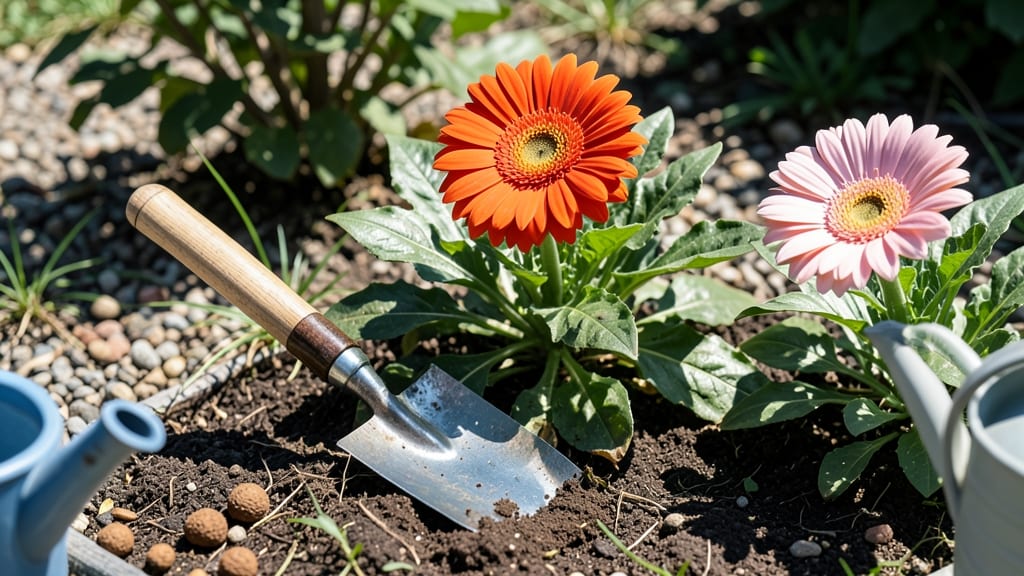
Gerbera daisies thrive in full sun or shade, but getting the balance right is the key to those bright, bold blooms you love.
Struggling to get your gerbera daisies to bloom as vibrantly as the nursery displays? The secret might be hiding in plain sight—your garden's light exposure. These stunning flowers are surprisingly picky about their sunlight needs, and getting it wrong can mean fewer blooms or even stunted growth.
Most gardeners assume full sun is always best, but gerbera daisies in hot climates like Zone 6a actually prefer a little afternoon shade to prevent wilting. Too much shade, though, and you’ll end up with leggy stems and pale petals.
The trick is finding that sweet spot between 6+ hours of light and just enough relief from harsh afternoon rays.
In this guide, I’ll break down exactly how to position your 🌼 gerbera daisies for maximum blooms, seasonal adjustments for spring planting, and the subtle signs that tell you if they’re getting too much—or too little—sunlight.

How full sun vs. partial shade affects gerbera daisy bloom time
Gerbera daisies (Gerbera jamesonii) are sun worshippers at heart, but their bloom time and color vibrancy hinge on getting the right balance of light.
While they thrive in full sun (6+ hours daily), too much heat without shade can scorch their delicate petals, while partial shade (3-6 hours) might stretch their stems and dull their hues. The difference isn't just aesthetic—it's biological, affecting photosynthesis rates and nutrient uptake.
Science shows gerbera daisies need at least 50% of their light requirements met by direct sunlight to produce high-quality blooms. Below 3 hours of sun, their growth slows dramatically, and flower production drops by up to 40%.
But push them to 10+ hours of direct sun in hot climates, and you'll see leaf burn and wilting—even with vibrant colors.
Here's the critical threshold: 6-8 hours of sunlight delivers the sweet spot for most gerbera varieties, maximizing both bloom quantity and color intensity. This range ensures they photosynthesize efficiently without overheating. In USDA Zone 6a (like much of the Midwest), this means positioning them where morning sun warms them gently, while afternoon shade protects them from 100°F+ temperatures.
| Light Condition | Daily Sun Hours | Bloom Quantity | Color Vibrancy | Stem Strength | Growth Habit |
|---|---|---|---|---|---|
| Full Sun | 6-8 hours | ⭐⭐⭐⭐⭐ | ⭐⭐⭐⭐⭐ | ⭐⭐⭐⭐⭐ | Compact, bushy |
| Partial Shade | 3-6 hours | ⭐⭐⭐ | ⭐⭐⭐ | ⭐⭐ | Leggy, sparse |
| Too Much Sun | 9+ hours | ⭐⭐⭐⭐ | ⭐⭐⭐⭐ | ⭐ | Scorched leaves |
| Too Little Sun | <3 hours | ⭐ | ⭐ | ⭐⭐⭐ | Stunted, pale |
In full sun, gerbera daisies produce up to 3x more blooms than in partial shade, thanks to higher photosynthetic efficiency. Their petals also develop deeper, richer colors because sunlight triggers higher production of anthocyanins—the pigments responsible for reds, oranges, and purples.
For example, red gerbera daisies in full sun will have bold, fiery hues, while the same variety in shade might appear muddy or pale.
However, partial shade isn't all bad—it's essential in hot, humid climates (like Zone 9 or 10) where afternoon sun can overheat the soil. Here, gerbera daisies benefit from dappled shade (filtering through trees) or afternoon shade cloth.
This setup extends their blooming season by 2-3 weeks by preventing stress-related wil
Best light conditions for gerbera daisies by color variety
Did you know that the color of your gerbera daisies can actually influence their ideal light conditions? While all varieties love sunlight, some hues thrive in full sun while others prefer partial shade to maintain their signature vibrancy.
Understanding these preferences helps you create the perfect blooming environment for each color variety in your garden.
The brightest colors—like red and orange gerbera daisies—typically need the most sunlight to maintain their intense pigmentation. These varieties produce anthocyanins (natural pigments) in higher concentrations when exposed to 6-8 hours of direct sun daily.
In contrast, pale pink and white varieties often tolerate partial shade better, as their lighter hues mask some of the color dulling that occurs in lower light.
| Color Variety | Ideal Light | Bloom Duration | Color Intensity | Best For |
|---|---|---|---|---|
| Red | Full Sun | 4-6 weeks | ⭐⭐⭐⭐⭐ | Hot climates |
| Orange | Full Sun | 5-7 weeks | ⭐⭐⭐⭐⭐ | Bright borders |
| Pink | Partial Shade | 3-5 weeks | ⭐⭐⭐⭐ | Woodland gardens |
| Yellow | Full Sun or Partial Shade | 4-5 weeks | ⭐⭐⭐⭐ | Containers |
| White | Partial Shade | 3-4 weeks | ⭐⭐⭐ | Shady patios |
Red gerbera daisies are the most demanding when it comes to sunlight—they need full sun exposure to develop their deep crimson hues. In partial shade, their colors fade to a dull burgundy, and blooms may appear smaller and fewer. For maximum impact, plant them in south-facing beds where they receive morning sun and afternoon shade in hot summer months.
Pink and white varieties, on the other hand, often perform better in partial shade, especially in USDA Zones 8-10 where afternoon sun can cause heat stress. These lighter colors retain their brightness without the intense sunlight, and their blooms last longer when protected from midday heat. Try placing them near east-facing windows or under light dappled trees.
If you're growing orange gerbera daisies, aim for at least 6 hours of direct sun to preserve their vibrant, fiery tones. These varieties are heat-tolerant and thrive in full sun gardens, making them ideal for border plantings or cut flower arrangements.
For yellow varieties, you have flexibility—they adapt well to both full sun and partial shade, though their color intensity