
Plants
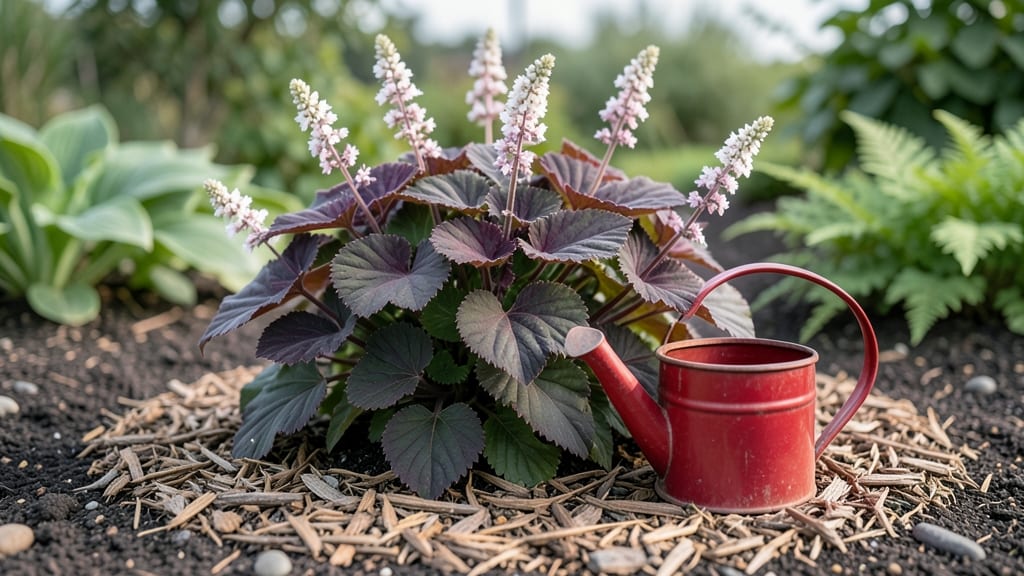
A heuchera plant in sun or shade will dazzle—but its showstopping foliage needs the perfect light balance: too much sun scorches those tender leaves, while too little shade fades their brilliance.
Picture this: your garden bursting with deep purples, silvers, and lime greens all year long, but only if you match each variety to its perfect light spot. The key? Understanding how sunlight affects foliage intensity and growth patterns.
Some heuchera varieties, like the classic 'Palace Purple,' practically glow in partial shade, while others, such as 'Lime Rickey,' crave morning sun to keep their zingy tones. I’ll break down the science behind light preferences and show you how to test your garden’s microclimates for flawless results.
Ready to transform your shady corners or sunny borders into a year-round rainbow? You’ll learn how to transition plants between light conditions without shocking their roots and spot the first signs of stress before it’s too late.
 Best Window Placement
Heuchera sun vs shade requirements by color variety
Heuchera, or coral bells, is famous for its vibrant foliage colors that range from deep purples to lime greens. But did you know that each color variety has specific sunlight preferences? Matching light conditions to your heuchera's color ensures those stunning leaves stay bright and healthy year-round.
Let's break down how purple, silver, lime, and black heuchera varieties respond to sun and shade.
The key to vibrant heuchera foliage lies in understanding how light spectrum affects chlorophyll production. Different wavelengths of light trigger unique pigment responses—blue light enhances purples, while red light boosts lime greens.
This science-backed approach helps you create the perfect growing conditions for each variety's color intensity. Let's explore the ideal light conditions for each stunning heuchera color.
| Color Variety | Ideal Light Conditions | Sun Tolerance | Shade Tolerance | Color Intensity | Best Placement |
|---|---|---|---|---|---|
| Purple (e.g., 'Palace Purple') | Partial shade (3-6 hours) | Moderate (scorches in full sun) | High (deepens color) | 8/10 (best in shade) | Under trees, north-facing beds |
| Silver (e.g., 'Silver Scrolls') | Partial shade to morning sun | Low (fades in hot sun) | Very high (retains shine) | 9/10 (best in shade) | East-facing beds, under deciduous trees |
| Lime Green (e.g., 'Lime Rickey') | Partial sun to full sun | High (brightens in sun) | Moderate (loses vibrancy) | 7/10 (best in sun) | South-facing beds, containers with afternoon shade |
| Black (e.g., 'Obsidian') | Partial shade (2-4 hours) | Low (scorches easily) | Very high (deepens color) | 10/10 (best in shade) | North-facing beds, shaded borders |
| Chartreuse (e.g., 'Citronelle') | Partial sun (4-6 hours) | Moderate (brightens in sun) | High (retains color) | 8/10 (best in partial sun) | West-facing beds, containers with morning sun |
Purple heuchera varieties like 'Palace Purple' thrive in partial shade, where they develop their most intense color. These varieties contain anthocyanins, pigments that deepen in cooler, shadier conditions. Plant them where they receive morning sunlight and afternoon shade to prevent leaf scorch while maintaining their rich hues.
Silver heuchera, such as 'Silver Scrolls', are particularly sensitive to direct afternoon sun. Their silvery foliage can fade or yellow when exposed to intense sunlight, especially in hot climates.
For maximum shine, place them in east-facing beds or under the dappled shade of deciduous trees where they'll receive gentle morning light.
How to test your garden's light conditions for heuchera success
Your heuchera's foliage vibrancy depends entirely on its light exposure. But how do you know if your garden provides the perfect morning sun or filtered afternoon shade? Start by observing your garden's microclimate—the unique light patterns created by trees, buildings, and even neighboring plants.
These conditions can change dramatically from one spot to another, even in the same yard. For example, a south-facing wall might create intense afternoon heat, while a north-facing corner stays cooler and more consistent.
Begin testing in early spring when daylight hours are increasing. Place a light meter or even a simple white piece of paper in potential planting spots to track how sunlight shifts throughout the day.
Heuchera thrives with 3-6 hours of morning sun followed by afternoon shade, but some varieties like 'Palace Purple' tolerate more sun than others. Pay attention to how shadows move—what looks like full sun in summer might become dappled shade in winter due to deciduous trees.
- 🌞 Step 1: Observe Morning vs Afternoon Sun
Use a notebook to record sunlight hours at each spot. Note when direct rays appear and when shade takes over. Heuchera needs morning sun for energy but afternoon shade to prevent leaf scorch. - 🌳 Step 2: Test for Humidity Effects
Humid climates (like Zone 7+) require more shade, while dry areas can handle slight sun exposure. Place a humidity gauge near test spots—60%+ humidity means prioritize shade. - ⏱️ Step 3: Track Seasonal Changes
Mark your calendar for solstices—sun paths shift dramatically. What’s shade in summer may be full sun in winter. Adjust planting based on winter light needs. - 📏 Step 4: Measure Shadow Lengths
Use a stick or ruler to measure shadows at noon. Shadows longer than 2 feet indicate partial shade, perfect for most heuchera varieties. - 🌱 Step 5: Trial Plant in Containers
Test heuchera in pots before permanent planting. Move them daily to observe how foliage reacts to different light levels. Yellowing leaves = too much sun; pale color = too little.
Don’t overlook reflective surfaces like patios or driveways, which can intensify sunlight and cause leaf burn on heuchera. If your garden has hot, reflective areas, consider adding a living mulch of low-growing plants like ajuga or lamium to diffuse the light.
These ground covers create a natural buffer while adding texture to your design. For urban gardens, vertical planters on north-facing walls can provide ideal indirect light without overheating.
Once you’ve mapped your garden’s light zones, group heuchera varieties by their tolerance levels. Silver foliage types (like 'Silver Scrolls') handle more sun, while deep purple varieties (like 'Black Beauty') prefer shade.
Pro tip: Place taller heuchera (18+ inches) in slightly shadier spots to protect their lower leaves from direct rays. This simple adjustment can extend their lifespan by 30-50%.
After testing, create a garden map with colored markers to visualize light conditions. Use green for ideal partial shade, yellow for morning sun, and red for hot afternoon spots. Revisit this map every season—your heuchera’s performance will thank you with brighter foliage and fewer stress signs.
With this method, you’ll never guess again about the perfect spot for your coral bells!