
Blooming
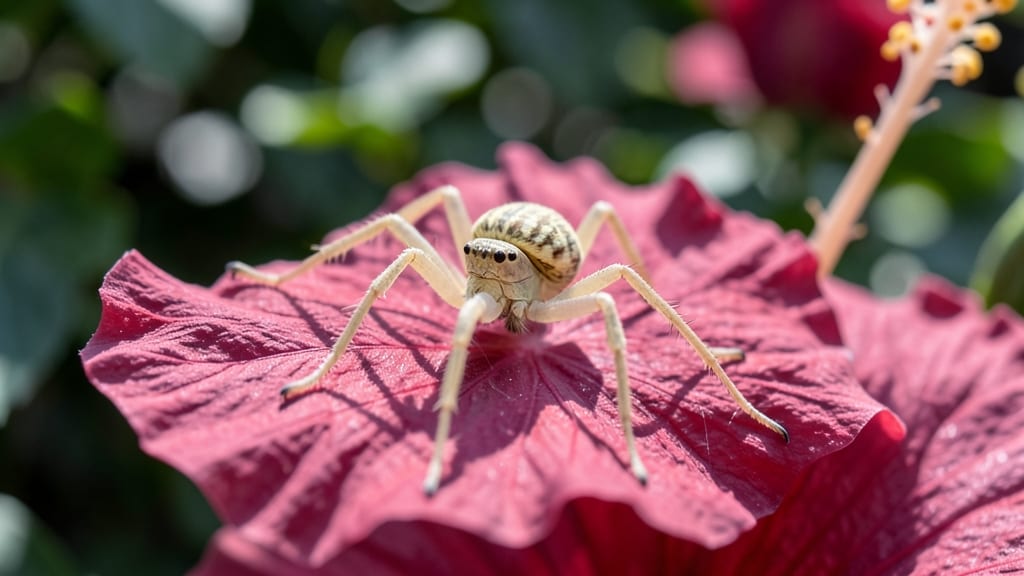
That tiny web between your hibiscus blooms isn’t a decoration—it’s a spider mite invasion waiting to happen. 🕷️ These microscopic pests drain your plant’s vitality, leaving behind yellowed leaves and stunted flowers, even in low-light conditions where hibiscus still thrives.
The good news? You can stop them before they ruin your year-round blooms.
Spider mites love hibiscus because the plant’s soft new growth is an all-you-can-eat buffet. You’ll spot them first as fine webbing on the undersides of leaves or between blooms—like tiny lace curtains.
The damage starts small: speckled leaves, then browning edges, and finally, fewer flowers. The key to saving your plant is acting fast before they spin their way into a full-blown infestation.
Your hibiscus can bounce back with the right treatment—neem oil sprays, a strong water blast, or introducing beneficial predators like ladybugs. Within 2-3 weeks, you’ll see fresh green leaves and those signature hibiscus blooms returning, fragrant and vibrant as ever.
The secret? Catching them early when the webs are still small.
Prevention is your best friend here: regularly misting leaves, keeping the area around your hibiscus free of debris, and checking the undersides of leaves weekly. A little vigilance now means zero light sacrifices later—your hibiscus will keep blooming like it’s summer, even in shadier spots.
Hidden Triggers Behind Spider Blooms
If your hibiscus plant is suddenly hosting tiny, eight-legged guests—spider bloom (also called spider mites)—don’t panic. These microscopic pests thrive due to specific conditions, and understanding their triggers is the first step to reclaiming your fragrant hibiscus.
Below, we break down the real culprits behind their infestation, so you can act fast and prevent future outbreaks.
Spider mites are desert survivors—they love heat and aridity. When your hibiscus environment becomes too dry, these pests multiply rapidly because:
- Low humidity: Spider mites thrive in air with <50% humidity. Central heating, air conditioning, or even summer heat can create the perfect drought-like conditions for them.
- Thirsty leaves: When hibiscus leaves lose moisture, their protective waxy coating weakens, making them easier for mites to pierce and feed on sap.
- Dormant natural predators: Beneficial insects like ladybugs or lacewings become less active in dry conditions, leaving mites unchecked.
Actionable fix: Increase humidity around your plant with a pebble tray, humidifier, or by misting leaves daily (especially in winter). Aim for <50-70% humidity—mites hate damp air!
While hibiscus loves sunlight, excessive exposure can stress the plant, making it more vulnerable to spider mites. Here’s why:
- Leaf burn: Intense sun causes leaf scorch, weakening the plant’s defenses and creating sticky honeydew (a mites’ favorite snack).
- Thinner cuticles: Sun-stressed leaves develop thinner protective layers, making it easier for mites to burrow in and feed.
- Heat stress: Overheated soil and roots reduce the plant’s ability to produce antimicrobial compounds that naturally repel pests.
Actionable fix:
- Move your hibiscus to partial shade (morning sun + afternoon shade) if outdoor, or use a sheer curtain indoors to diffuse light.
- Water deeply twice weekly to help the plant recover from sun stress.
Spider mites adore inconsistency. Both overwatering and underwatering create ideal conditions for them:
| Issue | Why It Attracts Mites |
|---|---|
| Underwatering |
|
| Overwatering |
|
Actionable fix:
- Water when the top 1-2 inches of soil are dry (stick your finger in to check!).
- Use a well-draining potting mix (add perlite or orchid bark if needed).
- Avoid wetting leaves—water at the soil base to prevent fungal growth.
Hibiscus plants are sensitive to nutrient imbalances, especially excess nitrogen or synthetic fertilizers. Here’s how it backfires:
- Too much nitrogen: Leads to soft, lush growth that mites love to colonize. Weak stems also struggle to support leaves, making them easier targets.
- Synthetic fertilizers: Disrupt the soil microbiome, reducing natural predators like predatory mites and nematodes.
- Salt buildup: Over-fertilizing causes osmotic stress, making leaves more susceptible to mite attacks.
Actionable fix:
- Switch to organic, balanced fertilizer (e.g., fish emulsion or compost tea).
- Flush the soil every 3 months with water to remove excess salts.
- Add worm castings or mycorrhizal fungi to boost natural pest resistance.
Spider mites don’t usually invade healthy hibiscus plants because other insects keep them in check. When these predators vanish, mites take over. Common missing allies include:
- Ladybugs: Devour mites at a rate of 50-60 per day!
- Lacewings: Their larvae are mite-eating machines.
- Predatory mites (Phytoseiulus persimilis): Tiny but highly effective at controlling outbreaks.
- Birds and spiders: They snack on adult mites and eggs.
Actionable fix:
- Introduce beneficial insects (buy from garden centers or release ladybugs/lacewings).
- Plant companion flowers like marigolds or dill to attract predator populations.
- Avoid broad-spectrum pesticides—they kill both mites and their natural enemies.
How to solve it
Encountering a hibiscus bloom spider—those tiny, web-spinning pests—can feel like a nightmare when you’re trying to enjoy your fragrant hibiscus plants year-round. But don’t fret! With the right approach, you can kick them out without sacrificing your plant’s beauty or sunlight exposure.
Below, we’ve mapped out practical solutions tailored to the most common causes, so you can act fast and keep your garden thriving.
If your hibiscus is a magnet for spider webs, overwatering or poor drainage might be the culprit. Spiders love hiding in moist, sheltered spots—your plant’s leaves and soil provide the perfect hideout.
How to Fix It:
- 💦 Adjust your watering routine: Let the top 1–2 inches of soil dry out between waterings. Hibiscus plants prefer slightly dry conditions over soggy roots.
- 🌱 Improve drainage: If your pot lacks drainage holes, repot your hibiscus in a container with holes or add a layer of perlite or gravel to the soil mix.
- 🌿 Trim back foliage: Overcrowded plants trap moisture. Prune dense growth to improve airflow and reduce hiding spots for spiders.
💡 Prevention Tip: Use a fan on low speed near your hibiscus for a few minutes daily to dry leaves faster and deter spiders.
Spiders often move in after other pests—like aphids or whiteflies—have feasted on your hibiscus. They’re opportunistic hunters, so cleaning up the mess is key.
How to Fix It:
- 🚿 Blast off pests first: Spray your plant with a strong stream of water to dislodge soft-bodied insects. Follow up with neem oil or insecticidal soap (mix 1 tsp neem oil or soap with 1 quart water) for stubborn infestations.
- 🕸️ Remove webs manually: Use a damp cloth or cotton swabs dipped in rubbing alcohol to wipe away webs. Spiders will vacate if their silk is disturbed.
- 🌿 Introduce predator allies: Ladybugs, lacewings, or birds (like chickadees) eat spiders naturally. Plant companion flowers like marigolds or dill nearby to attract them.
🔥 Pro Tip: Avoid chemical pesticides—they can harm beneficial insects and leave residue that attracts more spiders. Stick to organic solutions!
If your hibiscus is tucked away in a shady spot or neglected, spiders may see it as an easy target. They thrive where plants are stressed or overlooked.
How to Fix It:
- ☀️ Relocate for better light: Hibiscus needs 4–6 hours of direct sunlight daily. Move potted plants to a sunnier spot or supplement with a grow light if indoors.
- 🌿 Inspect nearby plants: Check surrounding foliage for spider eggs or webs. Prune back any dead or dying leaves where spiders might nest.
- 🕷️ Set up sticky traps: Place yellow sticky traps near the plant to catch adult spiders before they multiply.
🌡️ Prevention Tip: Regularly inspect your hibiscus (once a week) for early signs of spider activity. Catching them early means less cleanup later!
If spiders keep coming back despite your efforts, it’s time for a more strategic approach—think of it as a long-term pest management plan.
How to Fix It:
- 🏡 Seal entry points: If your hibiscus is indoors, check windows and doors for gaps. Install fine mesh screens or seal cracks with caulk.
- 🌿 Rotate companion plants: Plant spider-repelling herbs like basil, mint, or lavender nearby. Their strong scents deter spiders naturally.
- 🕸️ Use diatomaceous earth (DE): Sprinkle food-grade DE around the base of the plant (avoid direct contact with leaves). It dehydrates spiders on contact—just reapply after rain.
💡 Ultimate Tip: Combine methods for the best results. For example, improve drainage (fix dampness) + use DE (long-term deterrent) + relocate for sunlight (reduce stress). Consistency is key!
With these targeted fixes, you’ll send those eight-legged intruders packing while keeping your hibiscus blooming beautifully—without sacrificing sunlight or your sanity. Happy gardening! 🌸
Frequently asked questions
What are those tiny webs between my hibiscus blooms?
Those delicate webs are almost always from spider mites, not actual spiders! These microscopic pests create silky threads while feeding on plant sap. Unlike garden spiders, they’re harmful—they drain your hibiscus, causing yellowing leaves and fewer blooms. Check leaf undersides for tiny moving dots (the mites themselves).
Will spider mites kill my hibiscus plant?
Not immediately, but severe infestations can weaken your hibiscus over time. Heavy feeding causes leaf drop and stunted growth, making the plant vulnerable to other diseases. The good news? Early intervention with neem oil or increased humidity can reverse damage before it becomes permanent.
How do I tell spider mites apart from beneficial spiders?
Easy! Spider mites are tiny (0.5mm) red/yellow dots that move quickly, while beneficial garden spiders are large (1cm+) with long legs and build obvious webs between branches. If you see webbing only near blooms or leaf undersides, it’s mites—not helpful arachnids.
Can I use chemical sprays to kill spider mites on hibiscus?
Not recommended! Chemical pesticides can harm your hibiscus and kill beneficial predators that actually control mite populations. Instead, try organic solutions like neem oil spray or a water blast (hold leaves under running water for 30 seconds) to dislodge them. Always test treatments on a small leaf first.
How often should I check my hibiscus for spider mites?
Inspect your hibiscus weekly, especially during dry seasons when mites thrive. Focus on new growth, leaf undersides, and between blooms—these are their favorite hiding spots. Early detection means faster treatment and less damage to your plant.