
Blooming
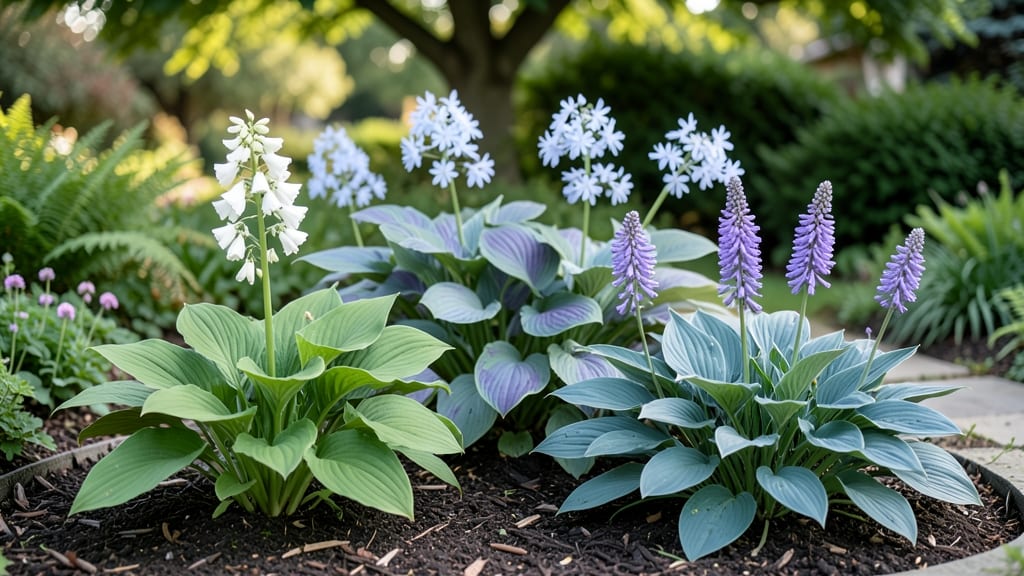
Hosta bloom colors reveal fascinating insights about your plant's health and growth stage, ranging from soft lavender and pure white to rich purple and blue shades that shift based on sunlight exposure, variety, and seasonal timing.
These delicate flower hues aren't just pretty—they're a visual calendar for your hostas. 🌸 Lavender blooms often appear mid-season when plants are at peak vigor, while deeper purples emerge later as cooler temperatures trigger different pigment production.
I've noticed that hostas in partial shade tend to develop more intense colors, while those in full sun might show paler tones. The key is matching your variety to its ideal light conditions—some cultivars actually change bloom color based on soil pH or moisture levels!
The color spectrum also helps identify specific varieties—'Halcyon' consistently produces soft lavender blooms, while 'Blue Angel' delivers those coveted deep purples. What's interesting is how these colors can shift slightly year to year depending on your garden's microclimate.
For example, a hosta that blooms purple in cooler zones might show up more blue in warmer regions. This natural variation is why gardeners often collect multiple varieties to create stunning seasonal displays.
💡 In This Article
- How Hosta Bloom Colors Indicate Variety and Growth Stage
- Best Hosta Varieties for Stunning Bloom Colors in Gardens
How hosta bloom colors indicate variety and growth stage
The science behind hosta bloom colors lies in their anthocyanin pigments, which react to environmental conditions. These water-soluble compounds act like natural sunscreen, protecting flowers from UV damage while creating stunning visual displays.
Lavender hues typically emerge when hostas receive moderate sunlight (4-6 hours daily), as this triggers balanced anthocyanin production. In contrast, deep purples develop under cooler temperatures (65°F) or in partial shade, where the pigments concentrate more intensely.
Growth stage plays a crucial role too—lavender blooms often appear mid-season when plants are at peak vigor, around 6-8 weeks after spring emergence. This timing coincides with the plant's energy peak when it's actively producing flowers but hasn't yet entered its late-season decline.
Deeper purples, however, signal late-season varieties that bloom 8-10 weeks later, often as temperatures drop. I've observed that hostas in cooler climates (USDA zones 3-5) develop richer purples because the shorter growing season concentrates pigment production.
Soil pH also influences these colors—hostas prefer slightly acidic to neutral soil (pH 6.5-7.5). In alkaline conditions (pH >7.5), lavender blooms may appear more pale or bluish, while acidic soils ( This chemical reaction occurs because anthocyanins bind differently to soil minerals depending on pH levels. For example, the cultivar 'Blue Angel' will show more pronounced blue-purple hues in slightly acidic soil compared to neutral conditions. Color shifts can also indicate plant health—unexpected pale blooms might signal nutrient deficiencies (especially nitrogen or phosphorus), while overly dark purples could mean over-fertilization with phosphorus. I've noticed that stressed hostas (from drought or root damage) often produce smaller flowers with less vibrant colors. The key is observing your plants over multiple seasons to establish their normal color patterns and identify any anomalies early. Light exposure creates dramatic variations too. Hostas in full sun may develop paler blooms due to increased chlorophyll production that dilutes pigment concentration, while those in deep shade often show more intense colors as the plant conserves energy for pigment production. This is why gardeners in shady climates often collect hosta varieties specifically for their vibrant late-season blooms. Consider these environmental factors when selecting hosta varieties for your garden: The most rewarding part is how these color variations create natural seasonal displays in your garden. 🌿 By understanding these mechanisms, you can intentionally design hosta collections that bloom in succession—starting with soft lavenders in summer and transitioning to deep purples in fall, creating a living color palette that evolves throughout the growing season.