
How To
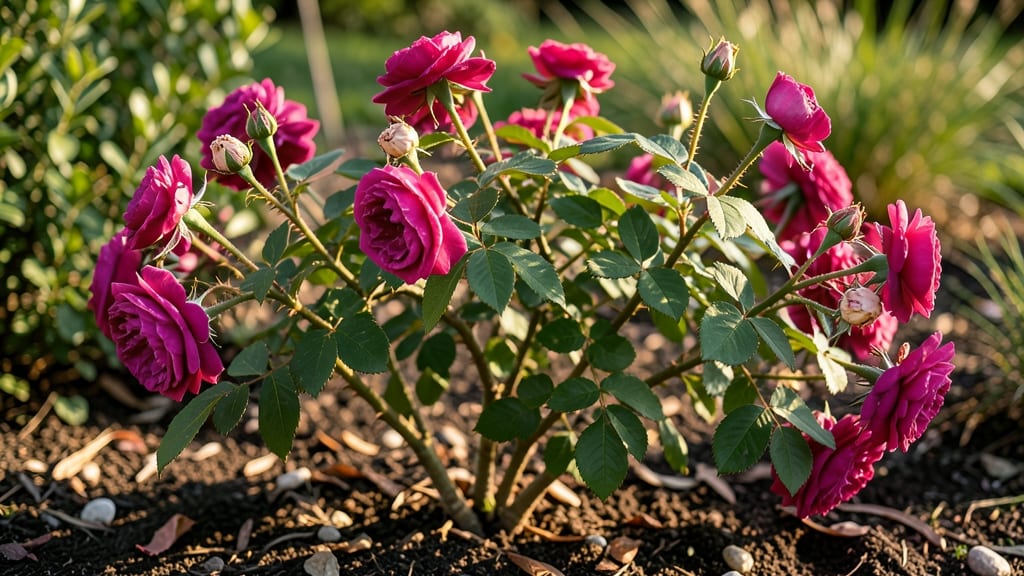
Roses bloom for 2 to 3 weeks per flower on average, but duration varies by variety—some hybrid teas last just 5-7 days, while climbers and shrubs may extend blooms to 4 weeks. Reblooming roses can produce multiple flushes seasonally with proper care.
Understanding bloom duration helps you plan your garden's seasonal highlights. 🌹 The lifespan of a rose flower depends heavily on its type—hybrid teas, for example, are prized for their long stems and vibrant colors but typically only last about a week in a vase.
Meanwhile, shrub roses often produce clusters that stay fresh for nearly a month. Climate plays a surprising role too: cooler temperatures can actually prolong bloom life, while extreme heat may cause flowers to wilt faster.
For gardeners aiming to keep their roses in full bloom all season, knowing these nuances makes a world of difference in care strategies.
What's fascinating is how different varieties adapt to their environment. Some roses, like the David Austin English Roses, are bred specifically for extended bloom cycles, sometimes lasting 3-4 weeks per flower. This makes them ideal for cut arrangements or long-lasting garden displays.
The secret to their longevity often lies in their genetic makeup, which allows them to withstand various weather conditions better than other types. If you're planning a rose garden, choosing varieties that match your local climate can dramatically increase your success rate in achieving continuous blooms throughout the growing season.
💡 In This Article
- Roses Bloom Duration by Variety: From Hybrid Teas to Shrubs
- How to Extend Rose Blooms: Pruning, Fertilizing, and Deadheading Tips
Roses bloom duration by variety: from hybrid teas to shrubs
The lifespan of a single rose bloom is primarily determined by its genetic makeup and environmental conditions. Hybrid teas, the classic cut-flower variety, typically bloom for just 5-7 days when cut and placed in water, though they can last up to 2 weeks in ideal vase conditions.
Their delicate petals and high moisture content make them particularly sensitive to temperature fluctuations and humidity levels. In contrast, shrub roses like the Knock Out® series often produce clusters that remain vibrant for 3-4 weeks, thanks to their thicker petals and more robust stems designed for outdoor durability.
Climbing roses take bloom longevity to another level, with some varieties like New Dawn or Blaze maintaining their beauty for 4-6 weeks per flower. These roses have evolved to thrive in their natural habitats where they're exposed to varying weather patterns, developing thicker petal layers that resist wilting.
Sunlight exposure plays a critical role too—roses planted in full sun (6-8 hours daily) generally produce blooms that last 20-30% longer than those in partial shade, as the increased photosynthesis fuels their energy reserves.
The trade-off? Too much intense afternoon sun in hot climates can actually shorten bloom life by causing petal burn.
What's particularly interesting is how different rose types handle seasonal changes. Floribundas, which are essentially "bushier" hybrid teas, tend to bloom for 10-14 days per flower but produce multiple buds in clusters, creating the illusion of continuous blooming.
Their secret lies in their compact growth habit and ability to develop secondary buds along the stem.
Meanwhile, David Austin English Roses bridge the gap between old garden roses and modern hybrids, often blooming for 3-4 weeks per flower while maintaining excellent vase life—up to 18 days when properly cared for. This makes them a favorite for both garden displays and floral arrangements.
Climate variations create dramatic differences in bloom duration. In cooler maritime climates like the Pacific Northwest, roses often bloom 1-2 weeks longer than in hot continental climates where temperatures exceed 90°F (32°C). The heat accelerates water loss through transpiration, causing petals to dry out faster.
Even within the same variety, a rose planted in Zone 5 (cold winters) might bloom for 2 weeks while an identical plant in Zone 9 (mild winters) could last only 10 days due to the intense summer heat.
This climate sensitivity explains why some roses thrive in specific regions while struggling elsewhere.
For gardeners, understanding these variety-specific traits is crucial when selecting roses. If your goal is long-lasting cut flowers, varieties like Double Delight or Mister Lincoln excel with 14-21 day vase life.
For continuous garden display, climbers and shrubs provide the most bang for your buck with their extended bloom periods. The key is matching the rose's natural characteristics with your growing conditions—whether that means choosing heat-tolerant varieties for desert climates or selecting cold-hardy types for northern gardens.
What most people don't realize is how soil moisture affects bloom duration. Roses planted in well-draining soil with consistent moisture retention (not soggy) can extend their bloom life by up to 30%.
The roots develop deeper, accessing water during dry spells, while preventing the fungal diseases that often shorten bloom cycles. This is why professional growers often recommend drip irrigation systems—they deliver water directly to the root zone without wetting the foliage, which can promote disease. The result?
Healthier plants that allocate more energy to producing longer-lasting blooms.
Consider this when planning your rose garden: if you want maximum continuous color, mix varieties with staggered bloom times.
A combination of early bloomers (like Iceberg), mid-season performers (such as Peace hybrid tea), and late-season varieties (like Queen Elizabeth) will ensure your garden stays in bloom from late spring through fall.
The secret lies in this strategic layering—just as a well-composed floral arrangement uses different bloom sizes and colors for visual interest, your garden should use different bloom durations for temporal interest. 🌸