
Propagation
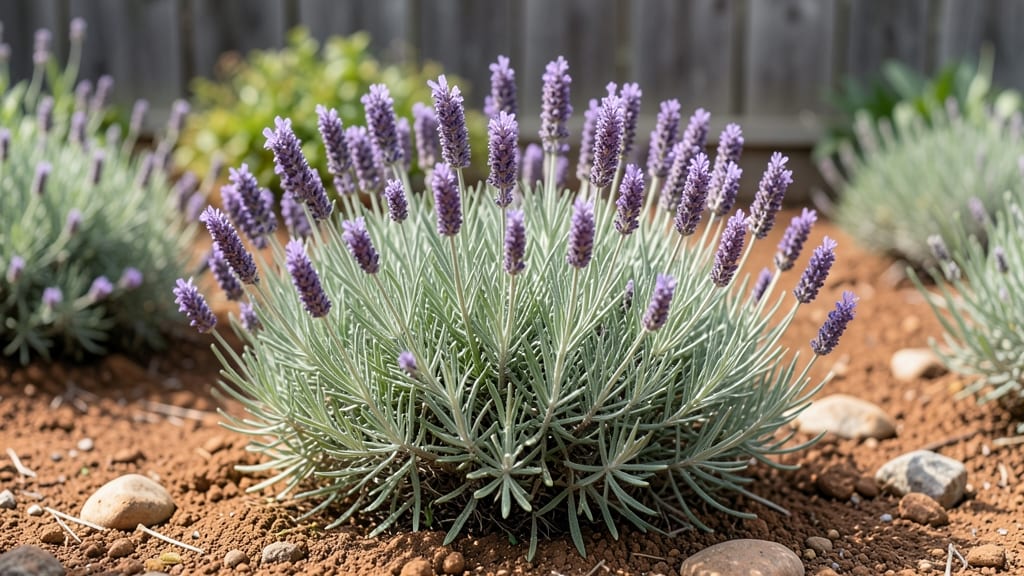
Growing lavender from seed to bloom typically takes 12 to 18 months, with the germination phase alone requiring 14–21 days under optimal warmth and indirect light. The slow early growth of seed-started plants delays flowering compared to cuttings, but consistent care can help you hit that first bloom window.
If you're starting lavender from seed, the wait for those signature purple blooms feels especially long because the plant prioritizes root and stem development before flowering. 🌱 The first 3 months focus on establishing a strong base, while the next 6–12 months build the plant's energy reserves—meaning you won't see buds until the plant feels fully settled.
I've found that providing consistent moisture (but never soggy soil) and full sun exposure after the seedling stage can shave off 1–2 months from the timeline, though genetics still play the biggest role.
One key factor many gardeners overlook is the plant's response to daylight.
Lavender needs 10+ hours of sunlight daily to trigger flowering, so placing it in a south-facing window or greenhouse during early growth stages makes a noticeable difference. 💫 For those eager to speed things up, choosing established nursery plants (which bloom in their first year) is the fastest route—but if you're committed to seed-growing, selecting varieties like English lavender (Lavandula angustifolia) ensures a slightly quicker bloom time compared to French or Spanish types.
💡 In This Article
- Lavender Seed Germination and Growth Stages to First Flowers
- Speeding Up Lavender Bloom Time: Pro Tips for Seed Starters
Lavender seed germination and growth stages to first flowers
The lavender seed's journey to bloom begins with germination, where tiny seeds break dormancy in 14–21 days under ideal conditions. Unlike cuttings, which sprout roots immediately, seeds must first develop embryonic leaves (cotyledons) before true leaves form.
This process relies heavily on soil warmth—maintaining 70–75°F speeds germination, while cooler temps (60°F) can stretch it to 30 days. The seeds themselves are so fine (about 0.04 inches long) that they often need light to trigger germination, unlike many garden plants that prefer darkness.
Once sprouted, lavender seedlings enter a 3–6 month phase of rapid but delicate growth, where they focus on developing a fibrous root system and sturdy stems.
During this stage, the plant's energy goes into building woody stems and silver-green foliage—key indicators of a healthy lavender. 🌱 What's surprising is how slowly they grow compared to annuals: a seedling might only reach 2–3 inches in its first month.
This slow start is nature's way of ensuring the plant survives drought conditions, which lavender thrives in once established. The roots must penetrate 12–18 inches deep before the plant can support flowering.
The real bloom delay happens in the 6–12 month vegetative phase, where lavender prioritizes stem thickening and leaf production over flower buds. This is when gardeners often see lush foliage but no blooms—a common frustration.
The plant needs 10+ hours of sunlight daily and well-draining soil to store enough energy for flowering. 💫 For example, English lavender (Lavandula angustifolia) varieties store energy more efficiently than Spanish lavender (Lavandula stoechas), which is why they bloom slightly earlier.
Temperature also matters: lavender flowers best when daytime temps reach 75–85°F and nights dip below 60°F, signaling the plant it's time to bloom.
Finally, the flowering trigger comes from a combination of day length and temperature cues. As daylight stretches to 14+ hours (typical in late spring/early summer), lavender's hormonal pathways activate, producing flower buds.
The buds form at the stem tips, starting as tiny green nubs before opening into familiar purple spikes. What's fascinating is that lavender's first blooms are often smaller and less vibrant than subsequent ones, as the plant is still building its reproductive capacity.
Here's what most gardeners miss: lavender's first blooms are a one-time energy investment. After flowering, the plant needs 6–8 weeks of rest to recover before producing another flush. This is why many seed-grown lavenders bloom heavily their second year—once they've built sufficient reserves. 🌿 The key takeaway?
Patience pays off: a lavender grown from seed may take longer to bloom than a cutting, but the resulting plant often lives 10–15 years, making the wait worthwhile.