
Light Requirements
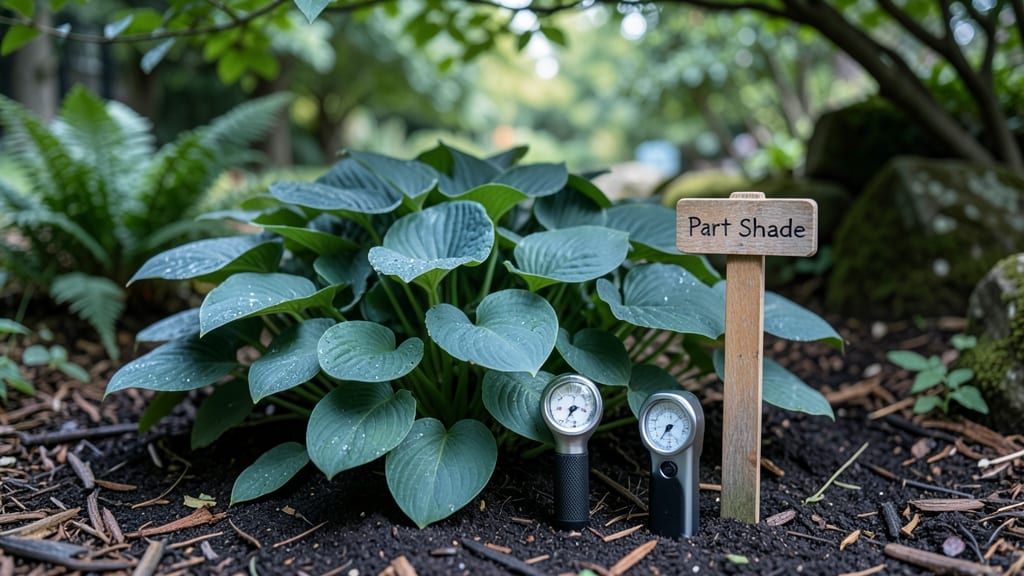
Part shade means plants receive 3 to 6 hours of direct sunlight daily, with the rest of their light exposure coming from filtered or indirect sources, creating the perfect balance for sun-sensitive species.
This range isn't arbitrary—it reflects how most shade-loving plants evolved to thrive without scorching. 🌿 For example, hostas and ferns flourish with just 3 hours of morning sun, while impatiens can handle up to 6 hours if the afternoon light is diffused.
The key is monitoring leaf color: yellowing edges signal too much sun, while pale leaves mean they're not getting enough. I always recommend testing your garden's light conditions over a week, since morning versus afternoon sun creates dramatically different microclimates.
Seasonal changes also play a huge role. In summer, when sunlight is more intense, you might need to adjust shade structures or move containers to ensure they don't get more than 6 hours of direct exposure.
Conversely, winter's weaker light often means plants can handle slightly longer sun periods without stress. Understanding your specific light patterns will help you create the ideal growing conditions for part-shade plants.
💡 In This Article
- Understanding Part Shade Sunlight Requirements for Plants
- Choosing the Right Plants for Part Shade Gardens
Understanding part shade sunlight requirements for plants
Part shade isn't just a vague gardening term—it's a precise balance of light that affects photosynthesis at a cellular level. Plants in this range receive 3-6 hours of direct sunlight, but the remaining daylight comes from filtered light passing through tree canopies or artificial shade structures.
This balance prevents leaf burn while still providing enough energy for growth. The key mechanism is chlorophyll production: too little light slows photosynthesis, while too much causes oxidative stress, turning leaves crispy or bleached.
Think of it like a plant's Goldilocks zone. For example, hostas thrive with just 3 hours of morning sun because their broad leaves would scorch in afternoon heat. Meanwhile, ferns prefer 4-5 hours of dappled light, where sunlight filters through leaves above, creating a cooler microclimate.
The science shows that plants in part shade develop thicker cuticles and more efficient water transport systems to handle the fluctuating light conditions. This adaptation explains why they often have darker, glossier foliage compared to sun-lovers.
Moisture retention becomes critical in part shade. Direct sunlight increases evaporation rates from leaves, but filtered light maintains higher humidity near the plant. That's why part-shade plants often have larger, waxy leaves—like those of astilbes or lungwort—that reduce water loss.
The tradeoff is that they need consistent soil moisture, which is why mulching becomes essential. Without proper moisture management, even 6 hours of sun can stress these plants, causing leaf edges to brown or curl.
Seasonal variations complicate this balance. Summer sunlight is 30% more intense than winter due to the sun's higher angle, meaning what's 6 hours of part shade in June might become 8 hours of full sun equivalent in July.
I've seen gardeners accidentally kill shade plants by not adjusting their shade cloths during peak summer months. The solution? Use a light meter or observe your plants' response—if new leaves are pale, they need more light; if they're scorched, they need less.
Let's break down the light spectrum impact. Part shade provides 50-70% of full sun's photosynthetically active radiation (PAR), which is perfect for plants that can't handle the full spectrum's UV intensity. This is why impatiens and caladiums flourish in part shade: their pigments are sensitive to UV damage.
The filtered light also contains more blue wavelengths, which boosts plant growth hormones while reducing heat stress. It's like giving your plants a gentle, nourishing glow rather than a harsh midday blast.
Here's a pro tip: position part-shade plants near the eastern or northern sides of buildings or trees, where morning light is softer. Avoid southern exposures unless you have dense shade structures, as afternoon sun packs the most energy.
For container gardens, rotate pots every few weeks to ensure even light exposure—this prevents one-sided growth and keeps foliage lush and symmetrical.