
Light Requirements
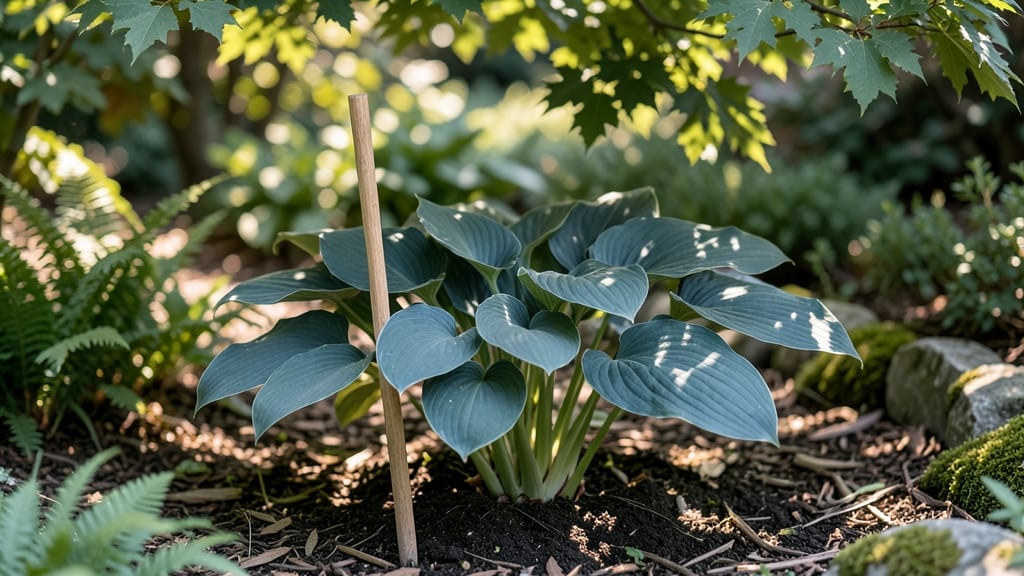
Understanding partial shade isn't just about counting hours—it's about creating the right balance for your plants. 🌿 The filtered light prevents scorching while still providing enough energy for photosynthesis, especially during peak afternoon sun.
I've noticed that plants in partial shade often develop thicker leaves and more vibrant colors compared to those in full sun, which can get stressed and wilt. This makes it ideal for gardens where you want lush foliage without the risk of sunburn.
What's fascinating is how this light condition changes with seasons. In summer, those 6 hours might feel intense, while winter might only deliver 3 hours of usable light. Adjusting by moving plants or using shade cloth can make all the difference in their health and flowering patterns.
💡 In This Article
- Understanding Partial Shade Light Requirements for Plant Health
- Best Plants for Partial Shade Gardens and Sunlight Adjustments
Understanding partial shade light requirements for plant health
Partial shade isn't just about limiting sunlight—it's about creating a specific light spectrum balance that supports plant health. The 3 to 6 hours of direct sunlight provide enough visible light (400-700nm wavelength) for photosynthesis, while the filtered light reduces harmful UV exposure (below 400nm).
This combination prevents leaf scorch while still fueling moderate growth. Think of it like giving plants a gentle sunbath rather than full-intensity exposure.
The key mechanism here is how filtered light affects photosynthesis efficiency. Plants in partial shade develop thicker leaves with more chlorophyll to maximize light absorption from scattered rays.
For example, hostas in partial shade produce broader leaves compared to those in full sun, where leaves become narrower and tougher to conserve moisture. The photosynthesis rate in partial shade plants typically runs at 60-80% of full sun capacity, which is enough for steady growth without stress.
This light balance also plays a crucial role in temperature regulation. Direct sunlight can raise leaf temperatures to 35-45°C (95-113°F) during peak hours, while filtered light keeps temperatures 5-10°C cooler.
This cooler environment prevents protein denaturation in leaf cells, which is why partial shade plants often show less wilting and browning. The moisture retention benefits are especially noticeable in clay soils where water evaporates quickly.
Comparing partial shade to full sun reveals dramatic differences in plant physiology. Full sun plants like lavender develop dense, waxy leaves to prevent water loss, while partial shade plants invest energy in leaf expansion rather than protective coatings.
The root systems also differ—partial shade plants develop shallower but wider root networks to access moisture near the surface, whereas full sun plants grow deeper roots to seek water.
Seasonal variations add another layer to partial shade requirements. In summer, those 6 hours of direct sun might come between 10 AM and 4 PM, while winter could deliver only 3 hours of weaker morning light.
This shift explains why some plants flower more prolifically in spring when daylight increases gradually. Understanding these patterns helps gardeners adjust plant placement or use shade cloth during peak summer hours.
What most gardeners overlook is how nearby structures affect light quality. A brick wall reflects 20-30% more light than open sky, creating a "light trap" that can turn partial shade into near-full sun conditions.
Similarly, deciduous trees filter light differently in summer (when leaves are full) versus winter (when branches are bare). These variables mean your 3-6 hour guideline might need seasonal adjustments of ±1-2 hours depending on your specific microclimate.
For practical application, consider using a light meter or simple observation method: if you can read a newspaper under the plant's canopy during peak sun, it's likely getting partial shade.
This balance creates the perfect environment for plants that need protection from intense afternoon rays while still getting enough light to thrive. 🌿