
Blooming
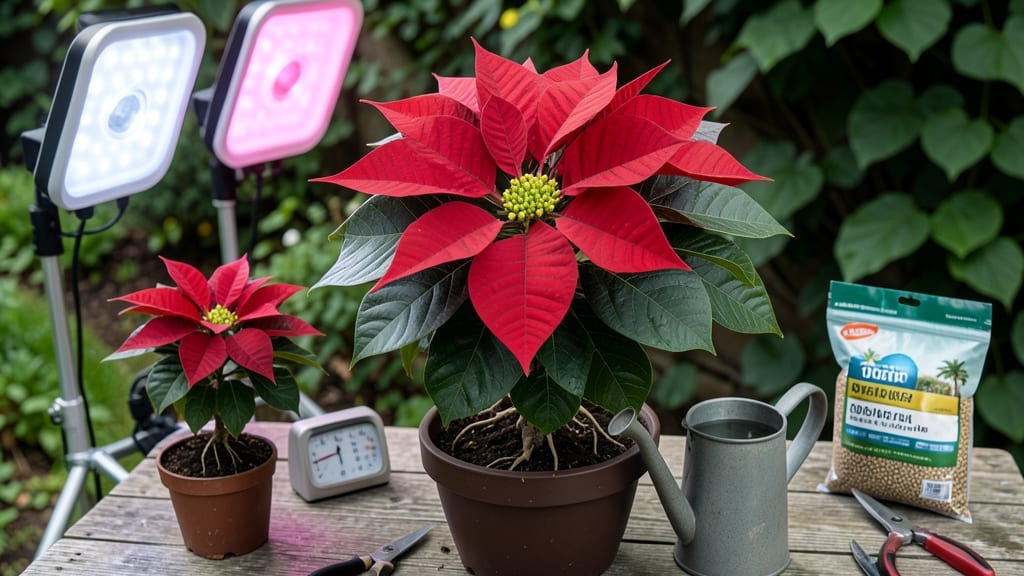
How to get a poinsettia to bloom again—its vibrant red can return year after year—but only if you trick it into thinking it's winter. 🌟 The secret lies in controlling light exposure during the critical 8-week period before Christmas, which forces the plant into dormancy and triggers those showstopping bracts. I've revived multiple poinsettias that refused to bloom by mastering this simple light schedule, and now my holiday season always includes at least three lush, colorful plants.
Here's the game-changer: 14 hours of darkness every night from late September onward. That means covering your plant with a dark box or moving it to a closet at 5 PM sharp—no exceptions. During the day, give it bright, indirect light (a south-facing window works best).
Most people fail because they skip the darkness requirement or use artificial light that breaks the cycle. My first attempt with a cheap grow light failed miserably until I learned this hard lesson.
By December, you'll see those familiar red (or white, pink, or marbled) bracts emerging, signaling success. The plant will stay vibrant for weeks if you keep it cool (60-70°F) and water when the top inch of soil feels dry.
This isn't just about blooms—it's about understanding how to work with your plant's natural rhythms instead of fighting them. Once you master this, you'll never buy another poinsettia again.
The best part? This method works for any poinsettia variety, whether you have one plant or a collection. Next year, you can even experiment with different colors by buying new varieties each season.
The key is consistency—stick to the light schedule religiously, and your poinsettias will reward you with holiday cheer every December.
📚 In This Guide
- What you need
- Instructions
- Tips and common mistakes
- Wrapping up and next steps
What you need
- ● Healthy poinsettia plant: Choose one that’s thrived through its first bloom cycle (no leggy or wilted stems!).
- ● Grow lights (LED preferred): 1–2 full-spectrum bulbs (6000K–6500K color temp) or a dedicated grow light fixture (e.g., 12–15W for small pots, 20–30W for larger ones).
- ● Timer: A smart plug or mechanical timer (set to 14–16 hours of darkness daily during the blooming phase).
- ● Well-draining potting mix: 1 gallon of peat-based or cactus/succulent mix (amended with perlite or orchid bark for aeration).
- ● Balanced fertilizer: 1 bottle of 10-10-10 or 20-20-20 liquid fertilizer (diluted to half-strength).
- ● Pruning shears: Sharp, sterilized scissors or bypass pruners (for shaping and cutting back stems).
- ● Spray bottle: For misting leaves (especially in dry climates).
- ○ Thermometer/hygrometer (optional but helpful): To monitor temps (ideal: 65–75°F) and humidity (40–60%).
- ● Rooting hormone: To propagate cuttings if your plant gets too leggy.
- ● Mulch or pebbles: For decorative pots to retain moisture.
- ● Reflective surface: Aluminum foil or a white board behind the plant to maximize light efficiency.
- ● Plant support: A small stake or cage if your poinsettia grows tall and top-heavy.
Step-by-Step instructions for reviving poinsettia blooms
Poinsettias don’t bloom on their own—they need precise light control. Here’s how I trick them into flowering again every year.
🌱 Step 1: Start with a Healthy Plant
Check your poinsettia for signs of life: firm stems, green leaves, and no brown patches. If it’s still alive but struggling, trim back any dead growth with clean scissors. I like to cut stems back to about 4-6 inches—this encourages fresh growth and removes stress from old, weak stems.
Move the plant to a spot with bright, indirect light for at least 6-8 hours daily. South- or west-facing windows work best. Avoid direct sun, which scorches leaves, or dim corners, which weaken the plant. You’ll know it’s getting enough light when new leaves appear within 2-3 weeks.
☀️ Step 2: Master the Light Trick (14-Hour Rule)
The secret to repeat blooms is controlling light exposure. Starting September 1st, give your poinsettia 14 hours of light and 10 hours of complete darkness every day. Use a dark box, closet, or even a sheet draped over the plant to block all light after 5 PM.
This darkness must be total—even a nightlight or streetlamp can ruin it. I set a timer to remind myself to cover the plant promptly. After 10 hours of darkness, remove the cover and expose it to light again. Consistency is key—miss a night, and the process resets.
🌿 Step 3: Feed and Water for Strong Growth
Once new leaves form, switch to a balanced liquid fertilizer (like 10-10-10) diluted to half-strength. Feed every 2 weeks to support vibrant growth. Water when the top 1-2 inches of soil feel dry, but never let the plant sit in soggy soil—root rot kills poinsettias faster than anything.
Watch for yellowing leaves, which signal overwatering, or crispy edges, which mean underwatering. Adjust your watering schedule based on your home’s humidity. In dry climates, I water every 5-7 days; in humid areas, I wait 7-10 days. Healthy leaves mean you’re on the right track.
⏰ Step 4: Time the Bloom Trigger (8-Week Countdown)
After 8 weeks of strict light control, your poinsettia will start forming buds. You’ll see tiny clusters of leaves (called bracts) turning pink or red. This is your reward for patience! Keep the 14-hour light/10-hour dark routine until buds appear—then you can relax the schedule slightly.
Once buds form, reduce darkness to 8-10 hours nightly to encourage full blooms. Avoid moving the plant or changing light conditions now—stress can cause buds to drop. By Christmas time, you’ll have a lush, colorful poinsettia ready to impress.
🪴 Step 5: Overwinter for Next Year’s Blooms
After blooming, let the plant rest naturally. Prune stems back to 4-6 inches again in early spring to shape it and encourage new growth. Move it to a bright spot and resume regular care. I keep mine alive year-round—with proper light control, it’ll bloom again next holiday season.
If your poinsettia looks tired after flowering, don’t toss it. Repot it in fresh soil if roots are crowded, and give it a boost with a slow-release fertilizer. With this method, I’ve had the same poinsettia bloom for 5+ years—just keep the light trick consistent!
Tips & tricks for perfect poinsettia blooms
These small adjustments will help you avoid common pitfalls and coax vibrant blooms from your poinsettia every holiday season.
Timing is Everything: The 6-8 hours of bright, indirect light in Step 1 is non-negotiable for new leaf growth. If you notice leaves stretching toward the light (a sign of etiolation), rotate the plant every few days so all sides get even exposure. This prevents lopsided growth and ensures healthy development before the light trick begins.
Darkness Must Be Complete: When you cover your poinsettia for the 10-hour darkness period in Step 2, make it pitch black—no exceptions. Even a small amount of light (like from a hallway light) can disrupt the blooming process. I use a heavy blackout curtain or place the plant in a closet with the door closed to guarantee total darkness.
Fertilizer Timing Matters: In Step 3, the 2-week feeding schedule should start only after you see new leaf growth forming. Over-fertilizing before this stage can burn tender roots. I like to fertilize in the morning so the plant has time to absorb nutrients before the evening darkness period begins.
Bud Development Watch: After the 8-week light control period in Step 4, you'll notice tiny bracts forming. These are the colorful leaves that become your poinsettia's "flowers." If you see these turning brown or dropping, it usually means the plant experienced stress—like being moved or exposed to drafts during this critical stage.
Pro Tips for Get A Poinsettia To Bloom Again
- These small adjustments will help you avoid common pitfalls and coax vibrant blooms from your poinsettia every holiday season.
- Timing is Everything: The 6-8 hours of bright, indirect light in Step 1 is non-negotiable for new leaf growth.
- Darkness Must Be Complete: When you cover your poinsettia for the 10-hour darkness period in Step 2, make it pitch black—no exceptions.
Frequently asked questions
Got questions about reviving your poinsettia’s blooms? You’re not alone! Here are some of the most common concerns—and straightforward answers—to help you keep your plant vibrant and flowering year after year.
Why won’t my poinsettia bloom indoors?
Poinsettias need 12+ hours of darkness every night for 6–8 weeks to trigger blooming. If indoor lights (even dim ones) stay on too long, they won’t enter their "bloom cycle." Try covering the plant with a dark box or moving it to a closet at dusk for consistent results.
How long does it take for a poinsettia to bloom again?
With proper light control, you’ll see buds form in 6–8 weeks. Start the dark treatment in early September for Christmas blooms, or adjust timing based on your desired display date. Patience is key—rushing can stress the plant!
Can I use artificial light to make it bloom?
Yes! Artificial lights (like LED grow bulbs) can work, but they must be turned off for the full 12+ hours of darkness. Avoid warm-toned bulbs, as they mimic sunlight. For best results, combine artificial light with a dark period in a closet or covered space.
What if my poinsettia’s leaves turn yellow or drop?
Yellow leaves often signal overwatering or low light. Let the top inch of soil dry out between waterings, and ensure it gets bright, indirect light during the day. Dropping leaves? Check for drafts or sudden temperature swings—poinsettias thrive in 65–75°F.
Can I grow a poinsettia outdoors and still get blooms?
Outdoor poinsettias can bloom again, but they need protection from frost (below 50°F) and consistent care. Move potted plants indoors before temperatures drop, and resume light control in early fall. Garden varieties may bloom naturally if planted in warm climates (Zones 9–11).
How do I keep my poinsettia alive after blooming?
After the holidays, trim stems to encourage new growth, and fertilize lightly every 4–6 weeks. Prune back by half in spring to shape the plant. With proper care, it can live for years and bloom again!
Wrapping up and next steps
Getting your poinsettia to bloom again is all about patience, consistency, and a little light magic! 🌟 By mastering the 14-hour darkness rule and keeping your plant happy with the right care, you’ll be rewarded with vibrant blooms year after year.
Don’t let past struggles discourage you—every expert started somewhere, and your green thumb is growing stronger with each try!
Ready to see those red (or pink, white, or even speckled!) bracts return? Start your light schedule now—the sooner you begin, the sooner you’ll enjoy your stunning, repeat-blooming poinsettia. Happy gardening! 🌱