
Blooming
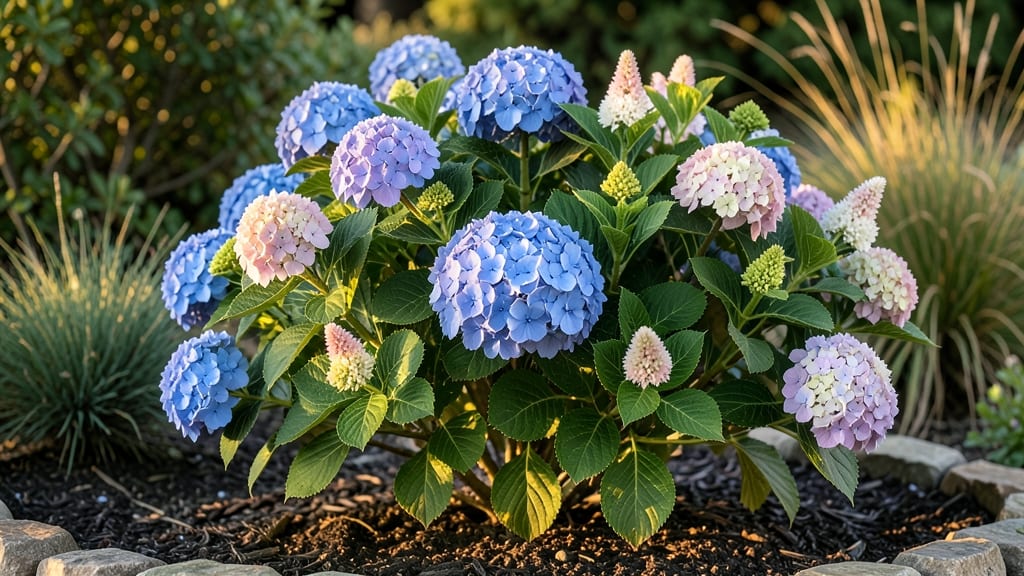
Hydrangeas bloom in late spring through summer, but the exact timing depends on your variety and hardiness zone — and getting it wrong can mean waiting another year for those showstopping clusters.
Picture this: You’ve waited all spring, but your 🌸 hydrangeas refuse to bud. Maybe you’re in Zone 6a like me, or perhaps you’re growing a late-blooming oakleaf type.
The difference between a June explosion of color and a season of disappointment often comes down to knowing when to prune, how to adjust care, and which varieties thrive in your climate.
Some hydrangeas burst into bloom as early as June, while others hold off until August or September — and that’s before you factor in heat waves, drought, or the wrong pruning cut. Whether you’re dealing with mopheads, lacecaps, or panicle types, timing is everything.
In this guide, I’ll break down the month-by-month bloom schedule for your specific hydrangea, plus the pro tips to push blooms earlier, extend their season, and avoid common mistakes that leave you staring at bare stems.
Hydrangea bloom time by variety: when to expect flowers
Hydrangeas are garden superstars, but their bloom times vary wildly depending on the variety. If you're dreaming of summer-long color, knowing when to expect those showy blooms is key. Some varieties burst into flower in early June, while others wait until late August.
Let’s break down the month-by-month bloom schedule for the most popular types—so you can plan your garden like a pro.
The secret to stunning hydrangeas lies in their growth habits. Some bloom on old wood (last year’s growth), while others rely on new wood (current season’s stems). This difference means pruning timing can make or break your blooms!
For example, cutting back mophead hydrangeas too late could mean no flowers next summer. Let’s dive into the specifics so you can avoid common mistakes.
| Variety | Bloom Period | Growth Type | Best For |
|---|---|---|---|
| Mophead (Bigleaf) | June–August | Old Wood | Borders, containers |
| Lacecap | June–July | Old Wood | Wildflower gardens |
| Panicle | July–September | New Wood | Tall hedges, focal points |
| Oakleaf | June–August | Old Wood | Shade gardens, woodland edges |
| Smooth (Annabelle) | July–September | New Wood | Drought-tolerant areas |
Mophead hydrangeas (like 'Endless Summer') are the queens of summer blooms, typically bursting into color from June through August. These varieties bloom on old wood, so if you prune them in late winter or early spring, you risk cutting off next year’s flowers. My pro tip: Wait until after blooming to prune, then remove up to 1/3 of the oldest stems to encourage new growth.
Lacecap hydrangeas are the early risers, often flowering as early as late May and peaking in June. Their delicate, lace-like blooms make them perfect for wildflower-style gardens. Since they also bloom on old wood, avoid heavy pruning until after flowering. I’ve seen 'Limelight' lacecaps steal the show in partial shade, even in hot climates.
Panicle hydrangeas (like 'Little Lime' or 'Limelight') are the late-season stars, often blooming from July through September. The best part? They bloom on new wood, so you can prune them in late winter without worrying about missed blooms. This makes them low-maintenance and ideal for tall hedges or backyard focal points.
Oakleaf hydrangeas are the underappreciated gems of the hydrangea world. They bloom from June to August and offer stunning fall foliage in shades of red and orange. Since they bloom on old wood, prune lightly in late winter to shape them. I love planting these in woodland gardens where their leathery leaves add texture.
Smooth hydrangeas (like 'Annabelle') are the drought-tolerant workhorses, blooming from July to September. Their new wood growth means you can prune aggressively in late winter to encourage bushier plants. These are perfect for hot, dry climates where other hydrangeas might struggle. My 'Grandiflora' variety thrives in full sun and still puts on a bold show.
If you’re in a warmer climate (Zones 7–10), some hydrangeas may rebloom if you deadhead spent flowers. For example, 'Endless Summer' mopheads can produce second flushes of blooms if you remove faded flowers promptly. In cooler zones (Zones 3–6), focus on prote
How USDA hardiness zones affect your hydrangea’s bloom schedule
Your USDA hardiness zone plays a bigger role in hydrangea bloom timing than you might think. In colder zones like 3-5, blooms often arrive later due to delayed spring warmth, while zones 8-10 can enjoy extended summer displays.
The key difference? Dormancy periods and cold-hardy varieties that thrive in specific climates. Let’s break down how to align your care with your zone for perfect timing.
First, understand that hydrangeas need chill hours—typically 500-1,000 hours below 45°F—to set buds properly. In warmer zones (7-10), some varieties may bloom earlier but risk heat stress, while cold zones (3-6) often see delayed blooms until late spring or early summer.
Your zone also dictates which hydrangea types will thrive and when to expect their signature flowers.
- 🌡️ Zones 3-5: Plant oakleaf or panicle hydrangeas—they bloom on old wood and tolerate late frosts. Expect blooms in June-July after chill hours are met.
- 🌿 Zones 6-7: Mophead and lacecap varieties shine here. Prune in late winter to avoid cutting off next year’s buds, and watch for blooms from May-August.
- ☀️ Zones 8-10: Smooth hydrangeas thrive year-round. To extend blooms, deadhead spent flowers and mulch heavily. Expect spring and fall blooms with proper care.
- ❄️ All Zones: Winter mulch (3-4 inches) protects roots in cold zones, while shade cloth in hot zones (8-10) prevents bud drop from heat stress.
In zones 3-5, focus on cold-hardy varieties like Little Lime or Annabelle, which bloom on new wood and rebound quickly after frost. These types are forgiving if pruned in early spring before new growth starts.
In contrast, zones 8-10 can push blooms into fall by providing consistent moisture and avoiding late-season pruning.
For warmer climates, extend the bloom season by deadheading faded flowers and applying a slow-release fertilizer in early summer. In colder zones, protect buds with burlap wraps during late frosts, and avoid heavy pruning until after blooms appear.
This ensures your hydrangeas have energy to set next year’s flowers.
Pro tip: Track your last frost date—it’s your cue to start fertilizing in zones 6-7 and to mulch in zones 3-5. In zones 8-10, watch for heat stress signs like wilting leaves and adjust watering to deep, infrequent soaks to keep blooms vibrant longer.
By aligning your care with your USDA zone, you’ll turn your hydrangeas into a season-long spectacle, whether you’re in frigid Minnesota or humid Florida. The secret? Know your zone, choose the right variety, and time your pruning perfectly. 🌸