
Shrubs
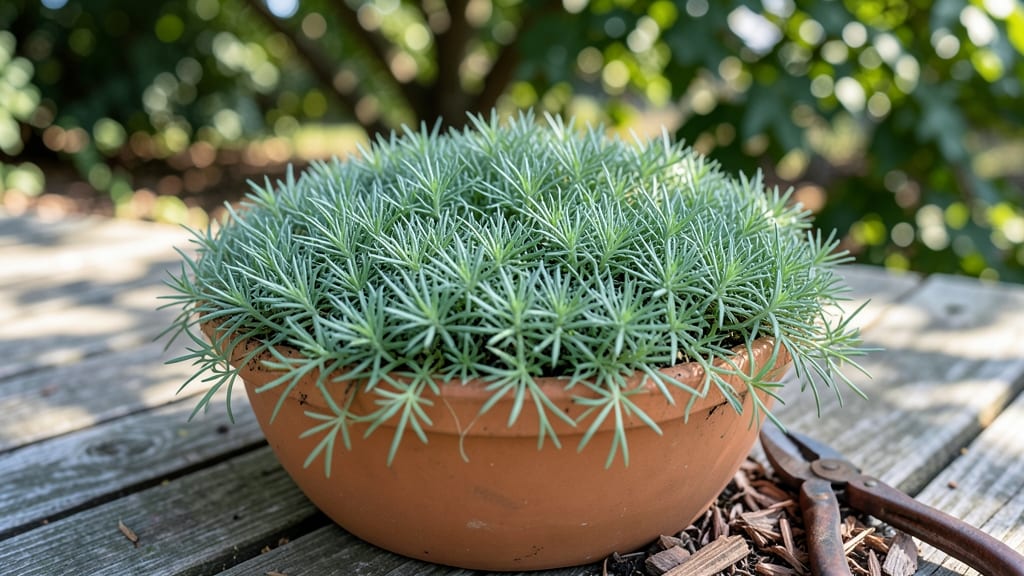
Irish moss thrives where most ground covers give up—deep shade gardens that stay dull brown all winter. ✨ I’ve watched this tiny evergreen transform my shady corners into lush, velvety carpets that never go dormant, even when hostas and ferns fade away.
The secret lies in its partial to full shade tolerance, but it needs well-draining soil and consistent moisture—never soggy.
Unlike other shade plants that struggle with dry roots, Irish moss stays plump and vibrant with just 1-2 inches of water per week, whether from rain or your hose. It spreads slowly but steadily, filling gaps without crowding out neighbors.
By spring, you’ll have a dense, moss-like mat that smothers weeds and stays green through frost. The texture is soft underfoot, and the color? A rich, deep green that makes other shade plants look washed out.
It’s the perfect solution for under trees, along north-facing walls, or any spot where sunlight is scarce.
Fair warning: it’s not for hot, dry climates—this plant loves cool, damp conditions. But in the right spot, it’s impossible to kill and requires almost no maintenance once established. Let’s get yours growing!
📚 In This Guide
- What you need
- Instructions
- Tips and common mistakes
- Wrapping up and next steps
What you need
- ● Irish moss (Sagina subulata) plants: 10–15 healthy plugs or 1–2 square feet of established sod (check local nurseries for organic or shade-tolerant varieties).
- ● Well-draining soil: A mix of topsoil, peat moss, and sand (ratio: 2:1:1) for optimal aeration.
- ○ Compost or organic fertilizer: 2–3 cups of balanced 10-10-10 or slow-release granular fertilizer (optional but recommended for nutrient boost).
- ● Mulch: 2–3 inches of pine straw, shredded bark, or cypress mulch to retain moisture and suppress weeds.
- ● Watering can or hose with a gentle spray nozzle: For even hydration without disturbing delicate roots.
- ● Garden trowel or spade: For digging small holes (1–2 inches deep) or transplanting plugs.
- ● Garden rake: To level soil and remove debris (especially in shady areas with fallen leaves).
- ● Measuring tape or string: To mark planting patterns (e.g., 6–12 inches apart for dense coverage).
- ○ Gloves (optional but handy): Protect your hands from soil and prickly mulch.
- ○ Pruning shears (optional): For trimming overgrowth or shaping edges after establishment.
- ○ Shade cloth (optional): If planting in partial shade, use 30–50% shade cloth to ease transition for young plants.
Step-by-Step guide to planting Irish moss for year-round shade cover
Transform your shady garden into a lush, evergreen carpet with this simple, low-maintenance approach.
🌱 Step 1: Prepare the Soil for Optimal Growth
Irish moss thrives in acidic, well-draining soil with a pH between 4.5 and 5.5. Work in 2-3 inches of organic matter—like compost or peat moss—into the top 6 inches of soil to improve drainage and fertility. I like to mix in a handful of sulfur granules per square foot if my soil tests neutral or alkaline, as Irish moss won’t tolerate alkaline conditions.
Use a trowel to loosen the soil and remove any weeds or debris. The goal is to create a soft, fluffy bed where delicate moss roots can establish easily. Avoid compacting the soil—this plant hates heavy, clay-like conditions. If your soil drains poorly, consider amending it with perlite or coarse sand to prevent waterlogging, which can suffocate the moss.
☀️ Step 2: Choose the Right Location and Light Conditions
Irish moss is a true shade lover, so pick a spot that receives less than 4 hours of direct sunlight daily. Partial shade with dappled light works best—think under deciduous trees or along north-facing walls. Avoid areas with deep, persistent shade where moss struggles to photosynthesize enough to thrive.
Test your spot by observing how much light reaches it throughout the day. If the area stays damp but never fully dry, it’s ideal. Irish moss needs consistent moisture but will rot if submerged in water. If your yard drains poorly, consider planting on a slight slope or in a raised bed to improve airflow and prevent water pooling.
🪴 Step 3: Spread and Press the Moss for Even Coverage
Purchase Irish moss from a reputable nursery—it typically arrives in 1-2 pound bags of dried, compressed material. Soak the moss in lukewarm water for 10-15 minutes until it softens and expands. Drain excess water through a mesh bag or colander, then gently squeeze out moisture with your hands—it should feel damp but not soggy.
Spread the moss evenly over the prepared soil, overlapping edges slightly to avoid gaps. Press it firmly into place with your hands or a flat board, ensuring it makes direct contact with the soil. This step is critical—moss won’t root if left floating on top. For a seamless look, trim excess moss with sharp scissors and fill any bare spots with additional material.
💧 Step 4: Water and Maintain for Long-Term Beauty
Water the newly planted moss gently but thoroughly to settle it into the soil. Use a fine mist or watering can to avoid disturbing the delicate strands. Keep the area consistently moist for the first 2-3 weeks, watering daily if the weather is dry or hot. After establishment, Irish moss should require watering only when the surface feels dry to the touch—typically 2-3 times per week in most climates.
Once established, Irish moss is nearly maintenance-free. Lightly rake the surface occasionally to remove debris and encourage fresh growth. Avoid walking on it, as foot traffic can compact the moss and leave unsightly bare patches. In late winter or early spring, you might notice a slight brown tint—this is normal and will green up again as temperatures rise.
✂️ Step 5: Fertilize and Refresh for Vibrant Growth
Irish moss doesn’t need much fertilizer, but a light application of acidic, slow-release fertilizer in early spring can boost its lushness. Use a balanced 10-10-10 or 20-20-20 formula diluted to half-strength and apply it lightly over the moss. Water immediately afterward to prevent burning. I also like to top-dress with a thin layer of peat moss or compost in the fall to replenish nutrients.
Every 2-3 years, refresh the moss by gently raking out dead material and adding new layers of dampened moss. This keeps the carpet thick and vibrant. If you notice bare spots, simply press additional moss into place and water well. With proper care, your Irish moss will spread naturally over time, creating a dense, evergreen ground cover that stays green year-round.
Tips & tricks for perfect Irish moss shade
These simple strategies will help you create a flawless, evergreen carpet that stays vibrant all year.
Soil pH Test First: Before amending your soil, test its pH with a simple kit from your garden center. Irish moss thrives between 4.5 and 5.5—if your soil tests higher, the handful of sulfur granules per square foot mentioned in Step 1 is your best friend. I've seen moss fail completely in alkaline soil despite perfect care, so don't skip this crucial step. For quick results, look for a $10 digital pH meter that gives readings in minutes.
Location Scouting Tip: When choosing your spot in Step 2, observe the area for at least 4 hours on a typical day. Look for where morning sun disappears by 10 AM and afternoon shade begins by 2 PM—this creates the ideal dappled light pattern. I once planted moss in what I thought was shade, only to discover it got 5 hours of sun and burned out within weeks. A simple shade clock (available online) can help track sunlight patterns if you're unsure.
Moss Preparation Hack: For Step 3, soak your moss in lukewarm water with a splash of apple cider vinegar (just 1 tablespoon per gallon) to help lower the pH slightly. This mimics the acidic conditions moss loves and can give you an extra boost of green color. After soaking for 10-15 minutes, drain thoroughly—squeeze it gently like a wet sponge to remove excess moisture. Too much water during planting can suffocate the moss.
Watering Wisdom: In Step 4, resist the urge to overwater during those first 2-3 weeks. Instead of watering daily, I've found that misting twice daily with a spray bottle keeps the moss consistently moist without risking waterlogging. After establishment, check moisture by pressing your finger into the moss—if it springs back, wait another day before watering. This simple touch test prevents both underwatering and overwatering.
Pro Tips for Irish Moss Shade
- These simple strategies will help you create a flawless, evergreen carpet that stays vibrant all year.
- Soil pH Test First: Before amending your soil, test its pH with a simple kit from your garden center.
- Location Scouting Tip: When choosing your spot in Step 2, observe the area for at least 4 hours on a typical day.
Frequently asked questions
What plants thrive in full Irish moss shade?
Irish moss shade (deep, dense shade under 2–4 hours of dappled light) is perfect for shade-tolerant ground covers like creeping Jenny (Lysimachia nummularia), foamflower (Tiarella cordifolia), or wild ginger (Asarum europaeum). For evergreen options, try pachysandra (Pachysandra terminalis) or sweet woodruff (Galium odoratum)—both stay lush year-round!
How long does it take for Irish moss shade plants to establish?
Most shade-loving ground covers take 1–2 years to fully fill in, depending on soil quality and moisture. Pachysandra and ajuga spread quickly (6–12 inches per year), while slower growers like heuchera may need 3 years. Pro tip: Mulch with shredded leaves or bark to retain moisture and speed up root growth!
Do Irish moss shade plants need extra watering?
Yes! Shady spots often retain moisture, but ground covers still need 1–1.5 inches of water weekly (more in drought). Avoid soggy soil—ensure well-draining soil with organic matter. Drip irrigation or soaker hoses work best to keep roots consistently moist without overwatering.
What’s the best alternative if my yard has too much Irish moss shade?
If your area gets less than 2 hours of light, opt for hostas (Hosta spp.) or Japanese painted fern (Athyrium niponicum), which tolerate near-black shade. For texture, try cortex moss (Leucobryum glaucum)—it thrives in damp, shady spots under trees. Just avoid sun-lovers like sedum or shrub roses!
Why is my Irish moss shade ground cover dying?
Common culprits: root rot (overwatering), compacted soil (poor drainage), or fungal issues (like powdery mildew). Check for yellowing leaves (nutrient deficiency) or mushy stems (rot). Solution: Amend soil with compost, improve airflow, and avoid wetting foliage. If pests (like slugs) are the issue, use beer traps or copper barriers!
Wrapping up and next steps
Irish moss shade isn’t just a stunning ground cover—it’s a low-maintenance, drought-tolerant, and eco-friendly way to transform your garden into a lush, year-round masterpiece. 🌿 Whether you’re drawn to its velvety texture, shade-loving resilience, or vibrant green hues, this evergreen gem delivers beauty with minimal effort.
Ready to elevate your outdoor space? Start by testing your soil, selecting the perfect spot, and planting with confidence—your garden’s next star is just a few steps away!
🌱 Next Steps to Success:
- Pick your plants: Choose Irish moss varieties that match your climate and design goals.
- Prep your site: Clear weeds, amend soil, and mark your layout for a polished finish.
- Plant and celebrate: With proper care, your Irish moss shade will thrive and turn heads!