
Blooming
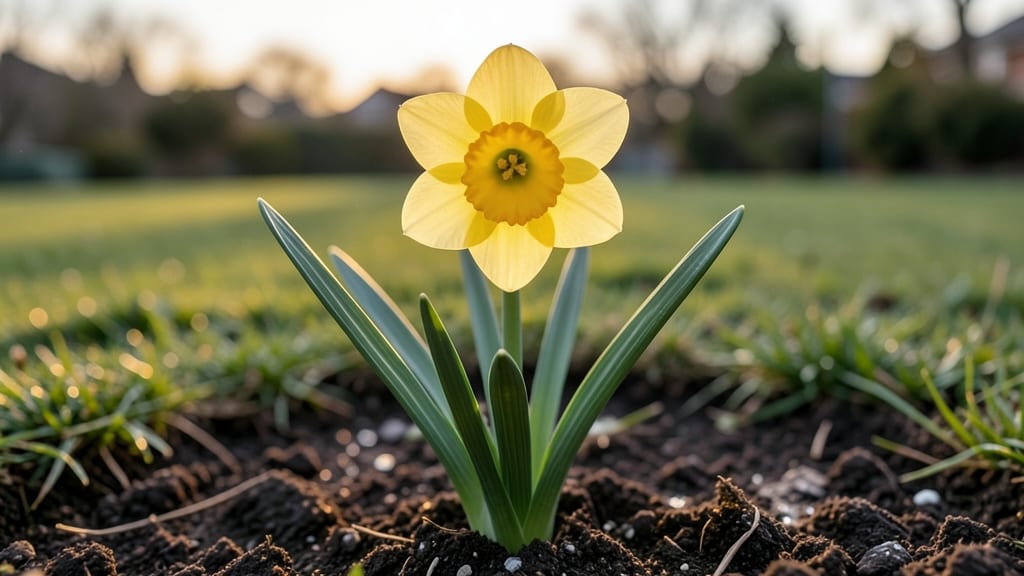
When solving the crossword clue is allowed to bloom in spring, focus on flowers like daffodil (Narcissus), tulip (Tulipa), or crocus (Crocus)—their Latin names match common 5-7 letter puzzle answers. Always verify bloom seasons and scientific classifications for accuracy.
Spring-blooming flowers are crossword gold because their Latin names often align with standard answer lengths. 🌸 For example, hyacinth (Hyacinthus) and lily (Lilium) appear frequently, but their bloom timing varies by region—some tulips (Tulipa) may push through snow in colder climates while others wait for warmer soil.
I recommend keeping a seasonal bloom chart handy when tackling these clues, as regional differences can throw off even experienced solvers.
Most crossword constructors favor flowers with 5-8 letter Latin names that fit neatly into grid spaces. Daffodil (Narcissus) and crocus (Crocus) are particularly reliable because their genus names are short but recognizable, while lily (Lilium) offers more flexibility with its 5-letter base.
Pro tip: Check the puzzle's difficulty rating—easier clues often use more common flowers, while harder ones might reference less familiar spring bloomers like bleeding heart (Dicentra).
💡 In This Article
- Latin Names of Spring-Blooming Flowers for Crossword Answers
- Top 10 Spring Flowers That Fit Crossword Clues
Latin names of spring-blooming flowers for crossword answers
The clue is allowed to bloom in spring hinges on understanding botanical nomenclature—the scientific naming system that pairs genus and species. Crossword constructors often use the genus name (capitalized) since it’s shorter and fits standard answer lengths.
For example, Tulipa (tulip) and Narcissus (daffodil) are 7 letters each, while Crocus (crocus) clocks in at 6. These names are derived from Latin or Greek roots, reflecting the flower’s characteristics—like Tulipa from the Turkish word for "turban," describing the bloom’s shape.
What makes these names crossword-friendly is their consistency across regions and languages. The International Code of Nomenclature for algae, fungi, and plants (ICNafp) ensures these names remain standardized, so a Lilium (lily) in New York will always be a Lilium in London.
However, some flowers have multiple accepted names—like Hyacinthus (hyacinth) and Muscari (grape hyacinth)—which can create ambiguity. Always check the puzzle’s difficulty level: easier clues favor 5-7 letter genus names, while harder ones might use species names like Tulipa gesneriana.
Bloom timing is critical here. Most spring flowers follow a 3-6 week window after winter dormancy, triggered by temperature shifts and daylight hours. For instance, Crocus often blooms as early as February in mild climates, while Tulipa may wait until April.
This variation explains why some crossword clues include phrases like "early spring"—constructors account for regional differences. Pro tip: Memorize the USDA hardiness zones for your area, as they predict when flowers will push through soil.
Latin names also reveal fascinating botanical relationships. The genus Narcissus (daffodil) shares its name with the mythological figure Narcissus, while Lilium (lily) comes from the Greek word for "white," reflecting its pale blooms.
These etymological clues can help you spot patterns in crossword grids—like how Lilium often appears alongside Lilac (Syringa), another spring bloomer. The key is recognizing that crossword answers prioritize brevity and memorability over scientific precision.
For visual solvers, imagine the flower’s appearance: Tulipa has a cup-shaped bloom, while Narcissus features six petals surrounding a trumpet-shaped corona. These details can jog your memory when filling grids.
For example, if the clue mentions "cup-shaped," Tulipa is a safer bet than Crocus, which has a more star-like form. Always cross-reference with a bloom chart to avoid missteps.
One advanced technique is to note how crossword constructors abbreviate names. For instance, Lilium might appear as LILIUM in a grid, while Crocus could be CROCUS or even CROCI (its plural form).
Pay attention to the number of letters in the blank space—this often narrows it down to genus names under 8 letters. For example, a 5-letter blank likely fits LILY (short for Lilium) or CROCUS.
Finally, remember that crossword clues sometimes play on wordplay. The phrase "is allowed to bloom" might hint at a flower that’s permitted or encouraged to grow—like LILY (symbolizing purity) or ROSE (Rosa), though roses bloom later in spring.
Always consider the clue’s phrasing alongside the botanical name to avoid overcomplicating the answer. 🌷