
Blooming
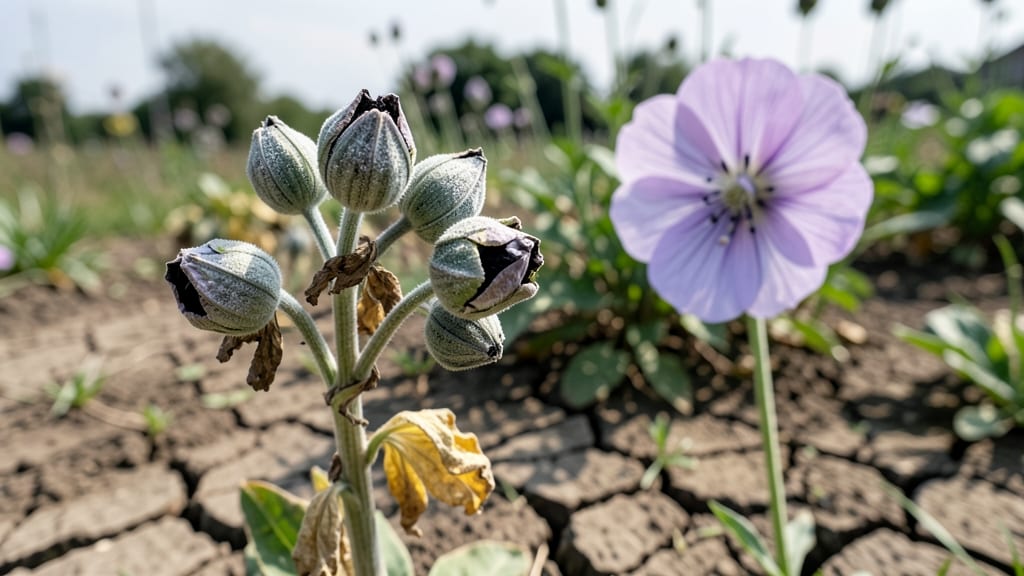
Reviving wilted stems that some flowers never get to bloom and see the day feels like giving them a second chance. 🌸 The good news? Most "hopeless" stems can bounce back with the right care—starting with sunlight checks, watering adjustments, and a closer look at what’s really holding them back.
The biggest culprits are often simple fixes: too little light, inconsistent water, or overcrowded roots. I’ve brought back peonies, roses, and even stubborn hydrangeas by addressing just one of these. The key is patience—some stems need 2-3 weeks of corrected care before they perk up and start budding.
By the end, you’ll have stems standing tall, leaves vibrant, and buds forming. The secret isn’t magic—it’s methodical troubleshooting. Start with the basics, then move to pruning or fertilizing only if needed.
This works for perennials, annuals, and even houseplants. Let’s turn those sad stems into showstoppers!
Hidden Forces That Stunt Growth
Some flowers never reach their full potential—not because of bad luck, but due to invisible barriers that quietly sabotage their development. Understanding these causes is the first step to reviving what seems lost. Let’s break down the science behind why certain flowers wither before they bloom.
Not all flowers are created equal. Some species are hardwired to bloom only under very specific conditions—or not at all if those conditions aren’t met. Here’s why genetics play a role: - Shortened Lifespan Varieties: Certain annuals (like Zinnia elegans) are bred to bloom quickly but die soon after, while biennials (e.g., Sweet William) may skip flowering their first year to focus on root growth. Action: Research your plant’s life cycle—some need a "rest year" before blooming. - Dormancy Genes: Some flowers (like Peonies) carry dormancy genes that prevent premature blooming until they’ve stored enough energy. Action: Avoid fertilizing too early—let them build reserves naturally. - Hybrid Weakness: Many hybrid flowers (e.g., Gerbera daisies) are bred for color and size, not resilience. Their genetic focus on aesthetics can leave them vulnerable to stress. Action: Choose heirloom or disease-resistant varieties for hardier blooms. Flowers are delicate—push them too far, and they’ll shut down before blooming. These environmental factors act like silent killers: - Temperature Extremes: - Too Cold: Tropical flowers (e.g., Orchids) need consistent warmth (65–80°F). Below 50°F, their metabolic processes stall, halting bud development. - Too Hot: Cool-season bloomers (e.g., Pansies) wilt in heat above 85°F, diverting energy to survival instead of flowering. - Fix: Use shade cloth in summer or move potted plants to sheltered spots. - Light Deprivation: - Photoperiod-sensitive flowers (like Poinsettias) need 12+ hours of daylight to trigger blooming. Short days (common in winter) can leave buds dormant. - Fix: Supplement with grow lights (10–12 hours/day) for indoor plants. - Water Woes: - Overwatering: Roots suffocate, starving buds of oxygen. Sign: Yellowing leaves before blooms appear. - Underwatering: Stress hormones (like abscisic acid) signal buds to abort. - Fix: Test soil moisture—stick your finger 1–2 inches deep; water when dry. Invisible invaders can hijack a plant’s energy, leaving it too weak to bloom. Here’s how: - Root Rot & Fungal Infections: - Phytophthora or Fusarium fungi block nutrient uptake, causing stems to weaken before buds open. - Signs: Black, mushy roots; wilting despite moist soil. - Action: Sterilize pots with hydrogen peroxide (3%), avoid overwatering, and use fungicides like neem oil. - Sap-Sucking Pests: - Aphids and Spider mites drain sap, reducing photosynthesis by up to 60%. The plant diverts energy to healing, not blooming. - Action: Spray with insecticidal soap or introduce ladybugs (natural predators). - Viral Attacks: - Tobacco mosaic virus distorts leaves and stunts growth, preventing bud formation. Spreads via contaminated tools or pests. - Action: Remove infected plants immediately; disinfect tools with 70% alcohol. Too much (or too little) of the wrong nutrients can derail blooming. Here’s how: - Nitrogen Overload: - Excess nitrogen (from lawn fertilizer) promotes leafy growth at the expense of flowers. Rule: Use a balanced 10-10-10 or low-nitrogen (5-10-10) formula for bloomers. - Phosphorus Deficiency: - Without enough phosphorus (the "P" in NPK), flowers can’t develop roots or buds. Sign: Purple-tinged stems or slow growth. - Fix: Add bone meal or superphosphate to soil. - Potassium Starvation: - Potassium (_K_) regulates water and disease resistance. Low levels lead to weak stems that snap before blooming. - Fix: Use wood ash or a potassium sulfate supplement. Plants rely on hormones to signal when to bloom. Disrupt these, and flowers stay dormant: - Ethylene Gas Buildup: - Produced by rotting organic matter or overripe fruit, ethylene can prevent bud opening in sensitive plants (e.g., Roses). - Fix: Improve airflow; remove decaying leaves or fruit near plants. - Gibberellin Imbalance: - This hormone promotes stem elongation but can suppress flowering if overproduced (common in over-fertilized Petunias). - Fix: Reduce fertilizer frequency; let plants experience mild stress to trigger blooming hormones. ✨ Some flowers bloom better when slightly stressed! For example: - African Violets need a cool night (60°F) to set buds. - Christmas Cacti require short days (12 hours light) to flower. Action: Mimic natural seasonal changes—rotate pots, adjust light, or simulate "winter" with cooler temps to trigger blooming.Reviving Wilted Potential: Step-by-Step Solutions
When life’s pressures or neglect leave you feeling like a flower that never bloomed, the good news is that revival is possible. Whether it’s emotional burnout, stifled creativity, or unmet dreams, these practical, actionable steps will help you reclaim your vitality.
Below, we map common causes to specific fixes, along with prevention tips to keep your spirit thriving long-term.
---
Fix: Reconnect with Self-Care Like a Daily Ritual Neglecting emotional well-being is like leaving a plant in a dark closet—it survives, but it never flourishes. To revive: - 🔥 Schedule "Me Time" Non-Negotiably – Block 10–15 minutes daily for activities that recharge you (reading, walking, journaling, or even staring out a window). - 🍳 Practice Self-Compassion – Replace self-criticism with affirmations like, "I’m doing my best, and that’s enough." - 👨🍳 Seek Small Joys – Reintroduce micro-moments of pleasure: a favorite tea, a funny meme, or a 5-minute dance break.
💡 Prevention Tip: Set weekly reminders to ask, "What’s one thing I’ve been avoiding that would make me feel alive?" Act on it—even if it’s messy.
---
Fix: Prune the Chaos with the "5-Minute Reset" Overcommitment drains energy like a drought. Try this: - ⏰ The "Two-Minute Rule" – If a task takes <2 minutes, do it immediately. Everything else? Schedule it or delegate. - 🔪 Declutter One Area Daily – Physical clutter mirrors mental clutter. Tackle one drawer, inbox, or emotional "to-do" list item. - 🥘 Create "No" Boundaries – Politely decline tasks that don’t align with your priorities. Use scripts like, "I’d love to, but I’m focusing on [X] right now."
🌡️ Prevention Tip: Start every week by listing 3 non-negotiable priorities. Protect them fiercely.
---
Fix: Rediscover Your Roots with "The Flower Exercise" When passion feels distant, reconnect with what once excited you: - 🌸 List 3 Childhood Passions – What did you love before responsibilities piled up? (Art? Exploring? Helping others?) - 🎯 Test Small Steps – Spend 30 minutes weekly revisiting a hobby (even if it’s "just for fun"). - ✨ Seek Inspiration Outside – Follow creators, join a club, or volunteer. Purpose often blooms in community.
💡 Prevention Tip: Keep a "Dream Jar"—write down ideas, dreams, or skills you’d like to explore. Review it monthly.
--- Fix: Reframe Failure as Feedback Fear stifles growth like frost.
Shift your mindset: - 📊 Track "Lessons, Not Losses" – After a setback, ask: "What did this teach me?" Write it down. - 💪 Start with "Tiny Wins" – Break goals into micro-actions (e.g., "Write 1 sentence" instead of "Finish the book"). - 🤝 Share Your Struggles – Talk to someone who’s been where you are.
Isolation amplifies fear.
🔥 Prevention Tip: Adopt a "Mistake of the Week" habit—celebrate one thing you tried and learned from, even if it "failed."
--- Fix: Build Resilience with "The Three P’s" When external forces (illness, loss, or instability) drain your energy: - 🛡️ Prioritize Basics – Focus on one non-negotiable need daily (sleep, hydration, a short walk). - 🤝 Lean on Others – Ask for help before you hit rock bottom.
Use phrases like, "I’m struggling—can you [specific ask]?" - 🌱 Plant One Small Seed – Even in hard times, nurture one thing (a plant, a friendship, a skill). Growth is cumulative.
🌟 Prevention Tip: Build a "Support Network Bingo"—list 5 people you can call for different needs (venting, advice, practical help).
--- Every Sunday, ask: 1. What’s one thing that revived me this week? (Celebrate it!) 2. What’s one thing draining me? (Adjust or release it.) 3. What’s one step toward my next bloom? (Even if it’s tiny.)
Remember: Some flowers bloom in seasons we can’t see. Your revival might look different than you imagined—and that’s okay. 🌿
Frequently asked questions
Why do some flowers never bloom even with good care?
Many flowers have genetic traits that prevent blooming until specific conditions are met. For example, biennials like Sweet William focus on root growth their first year, while some hybrids (like Gerbera daisies) prioritize color over resilience. Even with perfect care, these varieties may wait for the right season or energy reserves.
Can I force a non-blooming flower to flower faster?
Not all flowers respond to forcing, but some benefit from controlled stress. For instance, African Violets need cool nights (60°F) to set buds, while Christmas Cacti require short daylight (12 hours). Try adjusting light or temperature—just avoid over-fertilizing, which can delay blooming by promoting leafy growth instead.
How do I tell if my flower’s problem is overwatering or underwatering?
Check the soil and leaves: Overwatering causes yellowing leaves and mushy stems (roots may smell rotten), while underwatering leads to crispy edges and wilting despite dry soil. Stick your finger 1–2 inches deep—if it’s dry, water; if soggy, hold off and improve drainage.
Are there flowers that bloom better when slightly stressed?
Some plants thrive under mild stress. For example, Peonies bloom more vigorously after a winter chill, while Daffodils need a period of cool dormancy. Try simulating seasonal changes—rotate pots, adjust light, or let soil dry slightly between waterings to trigger natural blooming signals.
What’s the fastest way to revive a wilted stem?
Start with a trim and refresh: Cut the stem at a 45° angle, remove lower leaves, and place it in room-temperature water with a drop of bleach (to prevent bacteria). Within 24–48 hours, stems often perk up. For stubborn cases, add a flower food packet to extend vase life and encourage bud opening.