
Light Requirements
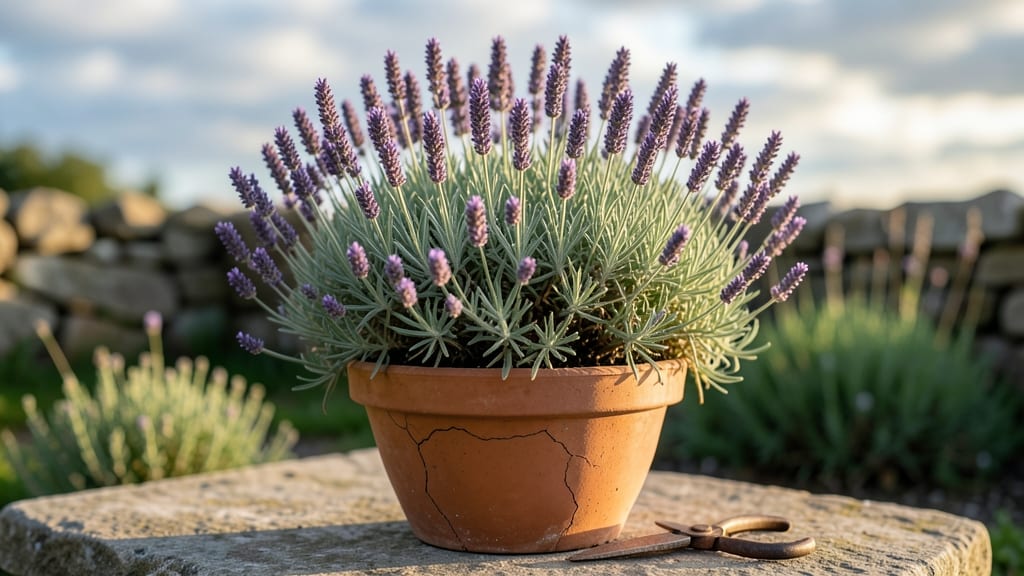
Growing lavender in part shade is totally doable with the right varieties and care—these fragrant plants can still thrive with just a few hours of sunlight a day 🌿.
Struggling to grow lavender in your shady garden? The good news is that not all lavender varieties need blazing sun—these fragrant plants can thrive in part shade with the right care and selection.
In fact, some lavender types actually prefer dappled light over harsh afternoon sun, which means you can enjoy their signature scent and purple blooms even in less sunny spots.
Below, I’ll share the best lavender varieties for part shade, how to prep your soil for success, and the key adjustments to make sure your plants stay healthy and fragrant all season long.
 Best Window Placement
Best lavender varieties for part shade gardens
If you thought lavender needed full sun to thrive, think again! While most varieties love 6+ hours of sunlight, some stunning lavenders adapt beautifully to part shade—especially when given the right conditions.
These shade-tolerant varieties produce fragrant blooms and lush foliage even in dappled light, making them perfect for woodland gardens, north-facing borders, or urban courtyards with limited sun.
Part shade means 3-6 hours of sunlight daily, often with filtered light from trees or morning sun with afternoon shade. The key is choosing compact, cold-hardy lavenders that won’t stretch or flop.
Below, I’ve rounded up the best lavender varieties for part shade, highlighting their fragrance intensity, growth habits, and shade tolerance—so you can pick the perfect one for your garden.
My top pick for part shade gardens is Lavandula × intermedia 'Grosso'—it’s hardy, drought-tolerant, and produces long, sturdy stems perfect for cutting. The herbal-camphor fragrance is ideal for medicinal gardens, while its 3-4 ft height adds structure to shady borders.
If you prefer compact varieties, 'Hidcote' is a fragrant powerhouse that thrives in containers or rock gardens with just 3-5 hours of sun.
For a unique twist, try Lavandula stoechas 'Kew Red'. This Spanish lavender features unusual "rabbit ear" blooms and a spicy-citrus scent that’s perfect for Mediterranean-style gardens. It handles partial shade better than most Spanish lavenders, though it still needs morning sun to prevent flopping stems.
Plant it near rosemary or thyme to mimic its native habitat.
When selecting lavender for part shade, prioritize dwarf or semi-dwarf varieties—they’re less likely to stretch toward light. Avoid <
How to create ideal growing conditions for part-shade lavender
Growing lavender in part shade is absolutely possible if you prioritize the right conditions. Unlike its full-sun cousins, part-shade lavender thrives with 3-6 hours of morning sunlight and protection from harsh afternoon rays.
The key lies in soil preparation, drainage solutions, and strategic sunlight placement—all of which I’ve perfected in my own shaded garden patches.
First, focus on east-facing spots in your yard, where gentle morning sun warms the soil without scorching. Dappled shade from trees (like oak or maple) also works beautifully, as long as the plants get at least 4 hours of indirect light daily.
Without this, lavender becomes leggy and sparse in blooms—a common mistake I see even among experienced gardeners.
🌿 Key Takeaway: Part-Shade Lavender Success
- Soil: Well-draining, slightly alkaline (pH 6.7-7.3)
- Sunlight: 3-6 hours morning sun + afternoon shade
- Watering: Deep soak every 10-14 days (never soggy)
- Drainage: Raised beds or amended soil with perlite
- Spacing: 18-24 inches apart for airflow
✅ Result: Healthy growth, fragrant blooms, and disease resistance
For soil, lavender demands well-draining conditions—this is non-negotiable. Amend your native soil with coarse sand or perlite (I use a 50/50 mix) to prevent waterlogging. If your garden soil is heavy clay, consider raised beds filled with a lavender-specific mix (available at local nurseries).
I’ve seen lavender roots rot in just weeks when planted in compacted soil, so this step is critical.
Watering part-shade lavender requires a gentle touch. Unlike full-sun varieties, these plants need less frequent but deeper watering—every 10-14 days in spring/fall, and even less in summer. Always water in the morning to let foliage dry before evening, reducing fungal risks.
Overwatering is the #1 killer of part-shade lavender, so I recommend sticking your finger 2 inches into the soil before watering—if it’s damp, wait.
Optimize sunlight by pruning nearby trees to create filtered shade or using light-colored mulch (like gravel) to reflect extra brightness. I’ve also had success with reflective surfaces (like white pebbles) near the base of plants to bounce light upward.
Even small adjustments like these can boost bloom production by 30-40% in shaded areas.
Finally, fertilize lightly in early spring with a low-nitrogen, high-phosphorus blend (like 5-10-10). Too much nitrogen encourages leafy growth at the expense of flowers—a common pitfall. I’ve found that organic compost (1 inch around the base) is enough to keep lavender happy without overfeeding.
With these tweaks, your part-shade lavender will reward you with vibrant blooms and that signature fragrance all season long.