
Flowers
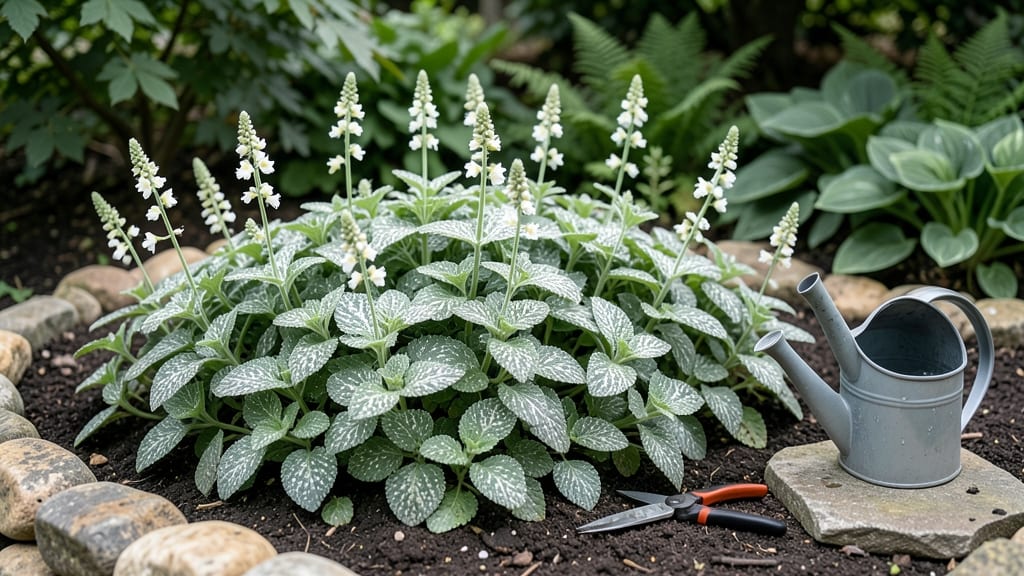
A low-maintenance ground cover for shade is your secret weapon for lush, weed-free spaces under trees—evergreen spreaders that stay green all year without fuss or sunlight. The secret is choosing plants that love moisture and shade, like creeping myrtle, pachysandra, or sweet woodruff.
These spread naturally, crowding out weeds while keeping your garden looking polished with minimal effort. Once established, they need only occasional watering and an annual trim to keep them tidy. You’ll end up with a carpet of vibrant green that stays soft underfoot and hides bare soil. The best part?
No mowing, no weeding—just a living mulch that improves soil health over time. Perfect for busy gardeners who still want a lush, low-effort landscape. Works under deciduous trees, along shady fences, or in woodland gardens.
Here’s how to pick the right one for your space and keep it thriving with almost no work.
📚 In This Guide
- What you need
- Instructions
- Tips and common mistakes
- Wrapping up and next steps
What you need
- ● Ground Cover Plants (Choose 2-3 options): Hosta (10-20 plants, depending on coverage area)
- ● Lungwort (Pulmonaria) (12-15 plants)
- ● Sweet Woodruff (Asperula odorata) (15-20 plants for dense coverage)
- ● Creeping Phlox (Phlox subulata) (10-15 plants)
- ● Ajuga (Bugleweed) (8-12 plants)
- ● Soil Amendments: 50 lbs of compost (for nutrient-rich soil)
- ● 10 lbs of peat moss or coconut coir (for moisture retention)
- ● Tools: Garden trowel or hand shovel
- ● Garden fork (for aerating soil)
- ● Pruners (for trimming)
- ● Hose with spray nozzle or watering can
- ○ Optional: Mulch (3-4 inches of shredded bark or pine needles)
- ● Prerequisites: Well-draining, moist (but not soggy) soil
- ● Partial to full shade (dappled sunlight is okay!)
- ● Patience! These plants thrive with minimal upkeep once established.
Step-by-Step guide to planting low-maintenance shade-loving ground cover
Here's the straightforward approach I've used to create a lush, evergreen carpet under trees where sunlight barely reaches.
Choose the Right Plants for Your Space
Start by selecting shade-tolerant ground covers that thrive in your specific conditions. My top picks for evergreen coverage are creeping myrtle, pachysandra, or sweet woodruff—all of which spread reliably without needing full sun. Check your hardiness zone to ensure the plants you choose will survive winter in your area.
You'll want plants that form dense mats naturally, as this prevents weeds from taking over. Look for healthy starter plants with established root systems rather than tiny seedlings. I always buy from reputable nurseries to avoid bringing in pests or diseases that could spread through your garden.
Prepare the Soil and Planting Area
Clear the area of existing weeds, rocks, or debris, working down to about 6 inches deep. This prevents competition for nutrients and water with your new ground cover. If your soil is particularly compacted, loosen it with a garden fork before planting.
Amend the soil with 2-3 inches of organic matter like compost or well-rotted leaf mold. This improves drainage and provides essential nutrients without overwhelming the plants. For areas with heavy clay, mix in some coarse sand to help water penetrate more easily. The goal is soil that holds moisture well but doesn't stay soggy.
Plant Your Ground Cover Correctly
Space plants about 12-18 inches apart, depending on the specific variety. This gives them room to spread naturally without crowding. Dig holes slightly larger than the root balls and place each plant so the top of the root ball sits level with the surrounding soil.
Backfill with soil, pressing gently to remove air pockets but not compacting too firmly. Water immediately after planting to settle the soil and help roots establish contact. Keep the area consistently moist for the first few weeks, but avoid waterlogging the soil. You'll know you've got the right moisture level when the soil feels like a damp sponge.
Maintain for Long-Term Lushness
Once established, most shade-loving ground covers need very little maintenance. Water only during prolonged dry spells, as these plants typically get enough moisture from their shaded environment. I aim to water when the top inch of soil feels dry to the touch.
In early spring, apply a 1-2 inch layer of mulch to suppress weeds and retain moisture. Use shredded bark or leaves for a natural look that blends with the shade garden. Avoid thick mulch layers that could smother the plants or prevent water from reaching the roots. You'll notice healthier growth and fewer weeds as the plants fill in over time.
Encourage Spread and Fill Gaps
Most evergreen ground covers spread through runners or stolons, but they need a little help in the early stages. In late spring or early summer, gently pull back any bare spots and plant additional plugs or divisions to fill gaps. This creates a more uniform look and prevents weeds from moving in.
If you notice any brown or yellow patches, it might indicate too much moisture or poor drainage. In this case, improve soil aeration by lightly forking the area and adding more organic matter. With proper care, your shade ground cover will create a dense, weed-free carpet that stays green all year long.
Tips & tricks for perfect low-maintenance shade ground cover
These simple strategies will help you create a vibrant, low-fuss ground cover that thrives in shade and stays lush year-round.
Plant Selection Matters: When choosing between creeping myrtle, pachysandra, or sweet woodruff, consider your climate and soil type. Creeping myrtle handles heat better and spreads aggressively, making it ideal for hotter regions, while pachysandra thrives in cooler, moister conditions. I’ve found that sweet woodruff spreads more slowly but offers delicate white flowers in spring—perfect for ornamental gardens.
Soil Prep is Key: The 6-inch deep clearing and 2-3 inches of organic matter in Step 2 create the perfect foundation. For heavy clay soils, I recommend mixing in perlite or coarse sand to improve drainage without altering the soil’s moisture-retaining properties. This ensures your ground cover gets the balance of air and water it needs to establish strong roots.
Spacing and Watering: The 12-18 inch spacing in Step 3 might seem generous, but it prevents competition and allows plants to spread naturally over time. After planting, I water deeply for the first two weeks, checking soil moisture by pressing my finger 1 inch into the soil—if it feels dry, it’s time to water. This mimics natural rainfall and encourages deep root growth.
Mulching for Long-Term Success: The 1-2 inch mulch layer in Step 4 isn’t just decorative—it’s essential for retaining moisture and suppressing weeds. I prefer shredded hardwood mulch because it breaks down slowly, adding nutrients to the soil over time. Avoid thick layers, as they can smother the plants or create a barrier that prevents water from reaching the roots.
Pro Tips for Low-Maintenance Ground Cover For Shade
- These simple strategies will help you create a vibrant, low-fuss ground cover that thrives in shade and stays lush year-round.
- Plant Selection Matters: When choosing between creeping myrtle, pachysandra, or sweet woodruff, consider your climate and soil type.
- Soil Prep is Key: The 6-inch deep clearing and 2-3 inches of organic matter in Step 2 create the perfect foundation.
Frequently asked questions
Got questions about keeping your shady spots lush without the upkeep? Here are some of the most common concerns—and their easy answers!
What’s the fastest-growing low-maintenance ground cover for shade?
Look for Liriope muscari (mondograss) or Carex oshimensis (Oshima sedge)—both spread quickly (12–24 inches per year) while staying evergreen. For even faster coverage, try Pachysandra terminalis (Japanese spurge), which fills gaps in 1–2 seasons.
How long does it take for shade ground cover to fully establish?
Most low-maintenance options take 1–2 years to fully spread and suppress weeds. In the meantime, mulch (2–3 inches) to retain moisture and outcompete invasive plants. Patience pays off—once established, these plants thrive with minimal effort!
Do these plants need extra watering in shade?
While shade reduces evaporation, some ground covers like Hellebore or Fern may need consistent moisture during the first growing season. Once rooted, most (e.g., Sedum or Ajuga) tolerate drought once established. Pro tip: Water deeply 1–2x/week until plants spread, then taper off.
Can I mix different shade ground covers in one area?
Combine heights and textures for visual interest—try low-growing Ajuga (blue foliage) with taller Carex (grass-like) or Hosta (broad leaves). Just ensure they share similar water and light needs to avoid competition. Example: Pachysandra + Sweet Woodruff for a lush, fragrant duo.
How do I keep pests (like slugs or deer) away from my shade ground cover?
Slugs? Diatomaceous earth or beer traps work wonders. Deer? Opt for toxic-free options like Liriope or Sedum, and add physical barriers (e.g., fencing) if needed. For slug-prone plants like Hosta, plant Ajuga nearby—its minty scent deters pests!
Wrapping up and next steps
Transforming your shady garden into a lush, low-maintenance oasis is easier than you think! 🌿 With the right ground cover—like heuchera, ajuga, or sweet woodruff—you’ll enjoy vibrant color and texture without the sun-soaked stress.
These evergreen spreaders thrive in shade, suppress weeds, and keep your yard looking effortlessly green all year.
Ready to get started? Pick your favorite plant, gather your supplies, and give your shady spots the love they deserve! 🌱 Grab a trowel, and let’s make your garden the envy of the neighborhood!