
Light Requirements
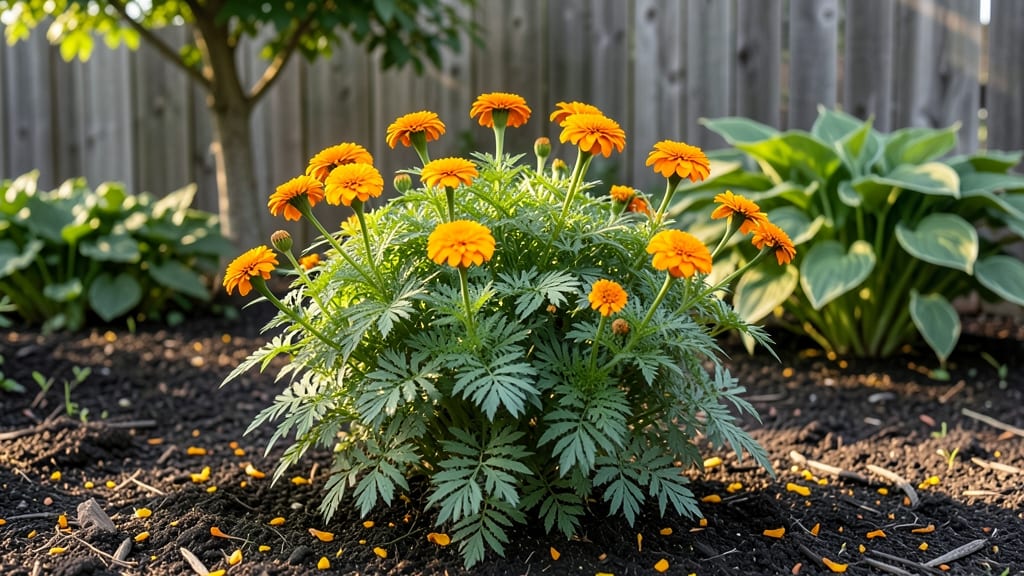
Growing marigolds in part shade still yields those bright blooms and pest-deterring power you love 🌼—just with a few smart adjustments to soil, water, and variety.
Think marigolds need full sun to shine? Think again—these vibrant bloomers can thrive in part shade too, offering bold colors and pest-repelling power without demanding direct sunlight.
In fact, partial shade can even protect your marigolds from scorching in hot climates, while still delivering plenty of blooms if you pick the right varieties and give them the care they need.
Below, I’ll walk you through the best shade-tolerant marigold types, how to prep your soil, watering tricks, and even how to troubleshoot common issues so your garden stays vibrant all season.
 Best Window Placement
Best marigold varieties for part shade gardens
Marigolds are often praised for their love of full sun, but many varieties actually thrive in part shade—especially in hot climates where afternoon sun can scorch delicate petals.
The key is selecting the right types that tolerate 3-6 hours of sunlight daily while still delivering those signature bold blooms and pest-repelling benefits.
French marigolds, with their delicate, lacy petals, are the most shade-tolerant choice. African marigolds can handle partial shade too, though they may need slightly more light to maintain their large, vibrant blooms. Signet marigolds, a smaller variety, are also excellent for shadier spots.
Here’s a breakdown of the top shade-friendly marigold varieties, including their color options, mature heights, and bloom cycles to help you choose the perfect fit for your garden’s low-light areas.
| Variety | Color Options | Height Range | Bloom Cycle | Shade Tolerance |
|---|---|---|---|---|
| French Marigold 'Bonanza Orange' | Orange, yellow, gold | 12-18 inches | Continuous (deadhead for more blooms) | Excellent (3-4 hours sun) |
| French Marigold 'Souvenir de la Malmaison' | Orange, lemon yellow | 12-24 inches | Summer to frost | High (morning sun only) |
| African Marigold 'Janie' | Orange, mahogany | 24-36 inches | Summer to fall | Moderate (4+ hours sun) |
| Signet Marigold 'Tangerine' | Orange, coral | 6-12 inches | Spring to frost | Very High (2-3 hours sun) |
| French Marigold 'Queen Sophia' | Cream, yellow | 18-24 inches | Summer to frost | Good (3-5 hours sun) |
For containers and small gardens, choose dwarf varieties like the Signet Marigold 'Tangerine', which thrives in 2-3 hours of sunlight daily and stays compact at just 6-12 inches tall. Its bright orange blooms add a pop of color to shaded patios or under trees.
The French Marigold 'Bonanza Orange' is another standout for part shade, offering continuous blooms from summer through frost. Its 12-18 inch height makes it perfect for borders or mixed containers where it can share space with ferns or hostas.
African Marigolds like 'Janie' need slightly more light but still perform well in partial shade, especially if protected from hot afternoon sun. Their 24-36 inch stature adds drama to the back of shaded beds, while their mahogany and orange hues create a striking contrast.
When selecting varieties, prioritize those with double or semi-double blooms, as they often handle shade better than single-petal types. Avoid pure white marigolds, which typically require full sun to maintain vigor and color intensity.
Pro tip: Pair shade-tolerant marigolds with other low-light lovers like coleus, impatiens, or ferns to create a vibrant, pest-resistant understory. Their natural pest-repelling properties will keep aphids and nematodes at bay while adding seasonal color to your garden’s shadier corners.
Remember to deadhead spent blooms regularly—even in part shade—to encourage more flowers and prevent leggy growth. With the right variety and a little extra care, your marigolds will bloom boldly even in less-than-sunny spots!
How to grow marigolds successfully in part shade
Growing marigolds in part shade is absolutely doable with the right approach. These cheerful flowers may prefer full sun, but they'll reward you with vibrant blooms and pest-deterring benefits even in filtered light conditions.
The key lies in preparing your soil properly and adjusting your care routine to match their lower-light needs. With a few simple tweaks, you can enjoy marigolds thriving where other sun-loving plants might struggle.
First, focus on creating an environment that mimics their natural preferences. Morning sunlight (3-6 hours) is ideal for part-shade marigolds, while afternoon shade helps prevent stress. Choose shade-tolerant varieties like 'Bonanza' or 'French marigolds' that handle moderate light better than their sun-loving cousins.
These varieties will give you the best chance at continuous blooming without fading in low light.
🌱 Pro Tip for Part-Shade Success
Amend your soil with organic compost (2-3 inches) to improve drainage and fertility. Part-shade marigolds need well-draining soil to prevent root rot. Mix in perlite or sand (10%) if your native soil is heavy clay. This combo ensures roots get both air and moisture without waterlogging.
When planting, space your marigolds 12-18 inches apart to allow airflow and reduce competition. In part shade, they grow slightly slower, so give them room to spread naturally without overcrowding.
Use mulch (2-3 inches) around the base to retain moisture and regulate soil temperature. This is especially important in part-shade gardens where soil can dry out faster than expected.
Watering requires a gentle touch in part shade. Aim for 1 inch of water per week, delivered in the early morning to prevent fungal issues. Let the top 1-2 inches of soil dry between waterings—overwatering is the #1 killer of part-shade marigolds.
Use a moisture meter or stick your finger in the soil to check; if it's damp below 1 inch, wait before watering again.
Boost your marigolds' performance with companion planting. Pair them with tall plants like sunflowers to filter harsh afternoon light, or place near leafy greens that benefit from their pest-repelling properties. Avoid planting under dense trees where roots compete for nutrients—marigolds need consistent feeding to thrive in part shade.
Finally, fertilize lightly but regularly. Use a balanced 5-10-10 fertilizer every 4-6 weeks during the growing season (spring to early fall). In part shade, marigolds grow more slowly, so reduce fertilizer amounts by 25% compared to full-sun plants.
Too much nitrogen leads to leafy growth at the expense of bright blooms—the whole point of growing marigolds!