
Blooming
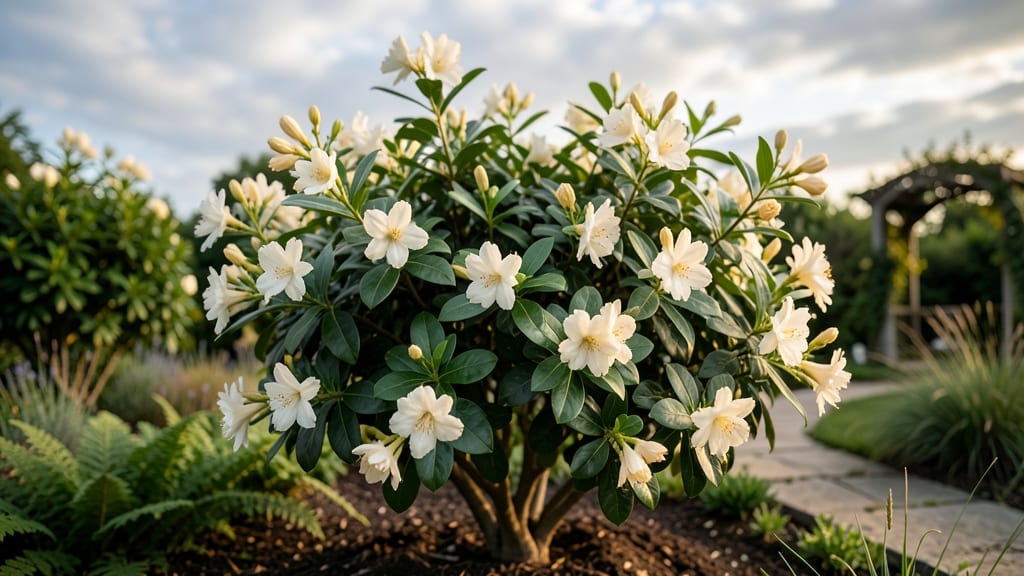
The mock orange bloom time can be extended dramatically—if you know the right pruning secrets. This evergreen shrub fills your garden with intoxicating fragrance in late spring, but most gardeners miss the second show entirely.
If your mock orange shrub is putting on a brief spring show before fading into summer silence, you’re missing out on months of intoxicating fragrance. With the right pruning tricks, this beauty can bloom twice a year, turning your garden into a year-round scent sanctuary.
Understanding its natural bloom time is the first step. Late spring is when most varieties like Philadelphus coronarius burst into flower, but with strategic cuts, you can coax a second round of blooms in late summer or early fall.
In this guide, I’ll walk you through the exact pruning techniques to extend your mock orange’s bloom time, plus the best varieties for prolonged fragrance and how climate zones affect timing.
When and why mock orange blooms: understanding its natural bloom time
Mock orange (Philadelphus spp.) is famous for its intense citrusy fragrance, but many gardeners only catch its primary spring bloom before summer silence sets in.
This evergreen shrub typically blooms once annually in late spring, but with the right care, it can produce a second, lighter bloom in late summer. Understanding its natural cycle helps you maximize fragrance and beauty year-round.
The primary bloom window for mock orange spans 4-6 weeks in late spring, usually from May to early June in most USDA zones 6-9. This timing aligns with the plant’s natural growth surge after winter dormancy.
The secondary bloom, if it occurs, appears in August or September—often smaller and less abundant—but still fragrant. Many gardeners miss this second show because they don’t know how to encourage it.
| Bloom Stage | Timing (USDA 6-9) | Climate Influence | Key Features |
|---|---|---|---|
| Primary Bloom | Late April–June | Cooler spring temps trigger blooms; warmer zones bloom earlier | Abundant white flowers, strong fragrance, 2-3 inch clusters |
| Secondary Bloom | August–September | Requires warm summer heat + late pruning; common in zones 7-9 | Sparser blooms, lighter scent, smaller clusters |
| Dormancy | October–March | Cold winters reset growth; zones 6 may need winter mulch | No blooms; focus on root health and pruning |
Climate plays a critical role in bloom timing. In cooler zones (USDA 6), mock orange may bloom later, around May or June, while warmer zones (USDA 8-9) often see blooms as early as April.
The secondary summer bloom is more likely in warmer climates where temperatures stay mild through summer. If you’re in a hotter zone (9), your mock orange might even produce a third, minimal bloom in fall.
Most gardeners miss the secondary bloom because they don’t prune at the right time. Mock orange blooms on old wood, meaning flowers form on last year’s growth. If you prune right after the primary bloom, you risk cutting off next year’s flower buds.
Instead, wait until late summer (August) to prune—this encourages new growth that can bloom again in late summer or fall.
Healthy growth cycles are key to consistent blooming. Look for dark green, glossy leaves and vigorous new shoots after pruning. If your mock orange has yellowing leaves or sparse blooms, it may need more sunlight (6+ hours/day) or better-draining soil.
Overwatering or compacted soil can stress roots, reducing bloom potential. Amend soil with compost in early spring to support robust growth.
Identifying a healthy bloom cycle starts with observing your plant’s leaf and stem development. After the primary bloom, healthy mock orange will produce new green shoots from the base. These shoots are where secondary blooms will form if given enough warmth and light.
If your shrub looks leggy or bare at the bottom, it’s a sign it needs rejuvenation pruning in late winter to encourage bushier growth.
One common myth is that mock orange only blooms once. While it’s true that most varieties bloom primarily in spring, some reblooming cultivars (like Philadelphus ‘Virginal’) are bred to produce multiple flushes of blooms throughout the season.
Even standard varieties can rebloom with proper pruning and care. The secret lies in balancing pruning, sunlight, and watering to keep the plant energized for a second show.
To encourage a second bloom, focus on late-summer pruning (August) and consistent watering during dry spells. Avoid heavy feeding in summer, as this can promote leafy growth over flowers. Instead, use a balanced fertilizer (10-10-10) in early spring and fall.
Mulch around the base to retain moisture and regulate soil temperature, which helps roots stay active for a second bloom cycle.
If your mock orange skips blooming entirely, it may be overpruned or under stress. Check for pests like scale insects or disease signs like powdery mildew. A light pruning in late winter (before buds swell) can remove dead wood and encourage new growth.
For established shrubs, thinning out crowded branches improves airflow and light penetration, both of which support healthier blooms.
By understanding your mock orange’s natural bloom rhythm and adapting care to your local climate, you can turn a one-season showstopper into a year-round fragrance garden. Start with the right pruning timing, and soon you’ll be enjoying those citrusy blooms well into autumn. 🌸
Pruning tricks to extend mock orange bloom time: step-by-step guide
Your mock orange shrub can transform from a one-season star to a year-round fragrance machine with the right pruning timing. Most gardeners miss the second bloom because they prune at the wrong time—right after the first flowers fade.
Instead, wait until late summer to encourage a reblooming cycle that extends your garden’s sweet citrus scent through fall.
The key is balancing renewal cuts with structure preservation. Over-pruning removes next year’s blooms, while under-pruning lets the shrub get leggy. Aim to remove no more than 1/3 of the plant’s height in any single pruning session.
This keeps your Philadelphus healthy and blooming while maintaining its elegant, rounded shape.
- 1 Post-Bloom Cleanup (June)
- 2 Remove Dead or Weak Wood
- 3 Late Summer Rebloom Pruning (August)
- 4 Target New Growth for Fragrance
Step 1: After the first bloom cycle (late spring), remove spent flowers and crossing branches to improve airflow. Use clean, sharp pruners to avoid tearing bark.
Step 2: Cut back any dead wood or branches growing inward. Aim for a balanced shape—this prevents overcrowding and disease.
Step 3: In late August, prune again to encourage new growth that will bloom in fall. Focus on outer branches to maintain the shrub’s form.
Step 4: For maximum fragrance intensity, prioritize pruning branches with last year’s blooms. These often produce the most scented flowers in the second cycle.
Grab your bypass pruners and hand pruners—these are your best tools for precise cuts. For larger shrubs, a pruning saw helps tackle thick branches without damaging the plant. Always sterilize your tools with rubbing alcohol between cuts to prevent spreading bacterial diseases like fire blight.
Safety first! Mock orange shrubs can grow 8-12 feet tall, so use a stable ladder or stool if you’re pruning overhead branches. Wear gloves to protect your hands from thorns, and avoid pruning on windy days to prevent accidental cuts or tool loss.
A sharp tool makes cleaner cuts that heal faster, so invest in quality pruners if yours are dull.
After pruning, give your mock orange a light fertilizer (10-10-10) to support new growth. Water deeply to help the plant recover, and mulch around the base to retain moisture. With this two-step pruning approach, you’ll enjoy fragrance-packed blooms from spring through fall—no more missed summer scent!