
Companion Plants
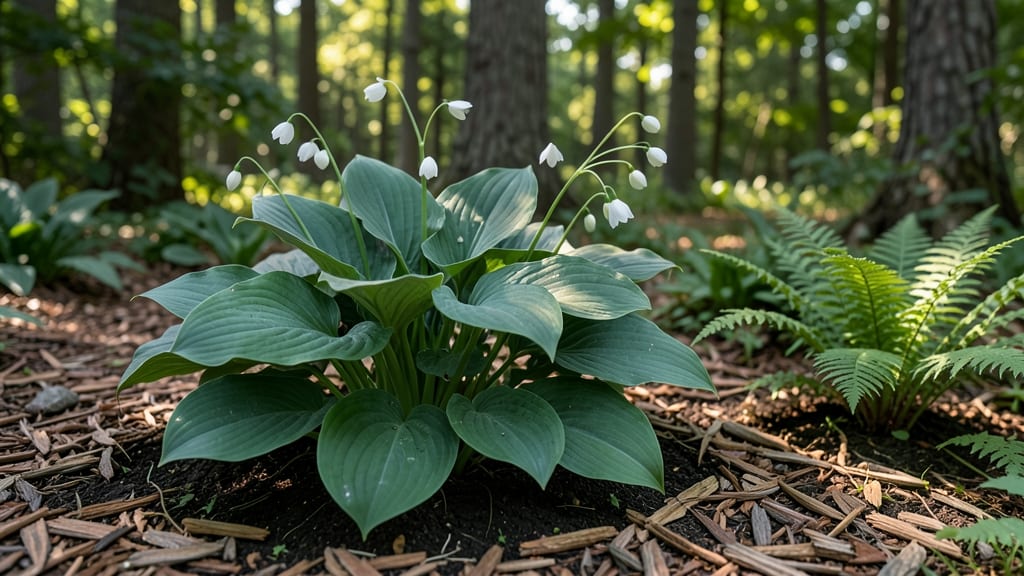
Massachusetts shade gardens don’t have to be boring—native plants like wild columbine and foamflower bring vibrant color and wildlife support to your darkest corners. 🌿 I’ve transformed my own shady spots into thriving understories that outperform non-native options, and the key is choosing species that naturally thrive in New England’s humid summers and cold winters.
The best native shade plants for our region handle everything from rocky soil to heavy clay while providing seasonal interest—think delicate white foamflower blooms in spring, bold green foliage all summer, and persistent seed heads for winter texture.
Many also attract pollinators and birds, making them a double win for gardeners who want beauty and biodiversity.
You’ll end up with a low-maintenance garden that stays lush even when sunlight is scarce. These plants spread gently, resist deer browsing, and often multiply on their own, reducing your workload while increasing your garden’s charm. The right combination creates layers of color that feel like a secret woodland retreat.
Perfect for understory plantings, borders near evergreens, or even container gardens in deep shade. Let’s explore the top performers that will have your neighbors asking for cuttings—without requiring any special care beyond good soil and occasional watering.
📚 In This Guide
- What you need
- Instructions
- Tips and common mistakes
- Wrapping up and next steps
What you need
- ● Native Shade Plants (5–10 per 100 sq. ft.): Bloodroot (Sanguinaria canadensis) – 3–5 plants (spring blooms, woodland staple)
- ● Virginia Bluebells (Mertensia virginica) – 5–7 plants (early spring, delicate bell-shaped flowers)
- ● Solomon’s Seal (Polygonatum spp.) – 3–5 plants (arching stems, shade-tolerant foliage)
- ● Wild Ginger (Asarum canadense) – 5–7 plants (ground cover, heart-shaped leaves)
- ● Trillium (Trillium grandiflorum) – 3–5 plants (iconic 3-petaled blooms, slow-growing)
- ● Soil Amendments: 2–3 bags of compost (for improving drainage and fertility)
- ● 1 bag of leaf mold or well-rotted oak leaves (acidic, mimics native forest floors)
- ● Mulch (2–3 inches): Shredded hardwood mulch (3–4 cubic feet per 100 sq. ft.) – retains moisture, suppresses weeds
- ○ Pine needles or cedar chips (optional) – adds acidity for blueberry-loving plants
- ● Digging Tools: 1 garden trowel (for small plants)
- ● 1 garden spade or transplanter (for larger roots)
- ● Preparation Essentials: 1 pruners or shears (for trimming invasive roots/weeds)
- ● 1 garden rake (to level soil and remove debris)
- ● Watering Supplies: 1 hose with adjustable nozzle or watering can (for gentle hydration)
- ○ 1 soaker hose (optional) – reduces evaporation in dry spells
- ● ✅ Site Assessment: Confirm your shade is deep (≤4 hours of sun/day) or partial (4–6 hours)—some plants tolerate more light!
- ● ✅ Soil Test: Check pH (most natives prefer 5.0–7.0; amend if needed). blank">Massachusetts soil test kits are available.
- ● ✅ Local Nursery Sources: Prioritize native plant specialists (e.g., blank">Natives, NASA affiliates). Avoid invasive lookalikes!
- ● ✅ Timing: Plant in early spring or fall (avoid summer heat/drought stress).
- ● Tall (2–3 ft): Solomon’s Seal, Wild Columbine (Aquilegia canadensis)
- ● Medium (1–2 ft): Bloodroot, Wild Ginger, Foamflower (Tiarella cordifolia)
Step-by-Step guide for planting native shade plants in Massachusetts
Here’s how to create a thriving understory garden that thrives in Massachusetts’ deep shade while supporting local ecosystems.
🌱 Step 1: Test and Prepare the Soil
Start by testing your soil’s moisture retention and pH—most Massachusetts native shade plants prefer slightly acidic to neutral soil (pH 5.0–7.0) and consistently moist conditions. Dig a small hole in your planting area and fill it with water. If it drains completely within 1 hour, your soil is too sandy, and you’ll need to amend it with 2–3 inches of compost or leaf mold to improve water retention.
For heavier clay soils, mix in 1–2 inches of coarse sand or perlite to prevent compaction. Native plants like wild ginger (Asarum canadense) and foamflower (Tiarella cordifolia) thrive in this environment, so aim for a loamy texture that mimics the forest floor. Work the amendments into the top 6–8 inches of soil to ensure roots encounter ideal conditions immediately.
🪴 Step 2: Select and Plant the Right Species
Choose Massachusetts natives that match your shade level: deep shade (less than 2 hours of direct sun) favors Virginia bluebells (Mertensia virginica) and bloodroot (Sanguinaria canadensis), while partial shade (3–6 hours of sun) suits trillium (Trillium grandiflorum) or solomon’s seal (Polygonatum biflorum). Dig holes twice as wide as the root ball but no deeper, as roots need room to spread horizontally.
Place the plant so the top of the root ball sits ½ inch below soil level—this prevents stem rot while encouraging root growth. Backfill with native soil (no amendments) and gently press around the edges to eliminate air pockets. Water deeply until the soil is saturated to 6 inches deep, then let it drain. Mulch with 2–3 inches of shredded leaves or wood chips to retain moisture and suppress weeds.
☀️ Step 3: Water and Maintain for Long-Term Success
Water newly planted shade natives 2–3 times per week for the first 4–6 weeks, ensuring the soil stays consistently moist but not soggy. You’ll know it’s right when the top inch feels damp to the touch. After establishment, most natives require minimal watering—focus on deep, infrequent watering during dry spells to encourage deep root growth. Avoid overhead watering once plants are established to prevent fungal diseases like powdery mildew.
Fertilize lightly in early spring with a balanced, slow-release fertilizer (10-10-10) applied at ½ the recommended rate. Native plants are adapted to nutrient-poor soils, so over-fertilizing can harm them. Instead, focus on annual top-dressing with compost in late fall to build soil health gradually. Prune spent foliage in early spring to make room for new growth, and divide clumping perennials like foamflower every 3–4 years to maintain vigor.
✂️ Step 4: Monitor and Adjust for Massachusetts Conditions
Watch for signs of stress: yellowing leaves often indicate overwatering or poor drainage, while brown leaf edges suggest dry soil or salt buildup from deicing. In late winter, rake away any thick mulch layer to prevent rot—leave just 1 inch around stems. If deer or rabbits are a problem, install physical barriers (wire mesh) around new plantings, as many natives like trillium are deer favorites.
By late summer, you’ll see the payoff: Virginia bluebells will naturalize into drifts of blue, and wild ginger will form lush ground cover. These plants reward patience—once established, they’ll outcompete weeds and thrive with minimal intervention. The key is mimicking the natural forest understory: moist, shaded, and undisturbed.
Tips & tricks for perfect native shade plant gardens in Massachusetts
Here's what nobody tells you about creating a thriving understory garden that actually thrives in Massachusetts' challenging conditions.
Soil Testing Precision: The 1-hour water test in Step 1 is your golden rule—don't just eyeball it. Use a soil moisture meter for accuracy, especially if you're unsure about your soil type. I've seen gardeners over-amend sandy soils because they misjudged drainage, which can actually suffocate roots. For clay-heavy areas, mix in perlite gradually—start with 1 inch and adjust after the first planting season based on how water drains.
Plant Selection Strategy: When choosing between deep shade and partial shade plants in Step 2, consider your site's microclimate. Virginia bluebells thrive in consistently moist, deep shade but will sulk if afternoon sun hits them. Conversely, trillium can handle partial shade but needs that 3-6 hours of filtered light to bloom reliably. I always plant a mix of both types to create a layered effect that mimics natural forest ecosystems.
Watering Wisdom: The 2-3 times per week guideline in Step 3 works for most Massachusetts springs, but summer droughts can throw this off. Install a rain gauge near your planting area—when readings drop below 1 inch per week, increase to daily watering until soils saturate to 6 inches deep. A simple drip irrigation system on a timer solves this problem permanently and prevents fungal issues from overhead watering.
Long-Term Maintenance Secret: That annual compost top-dressing in Step 3 is your secret weapon for native plant success. Spread it in late fall when soil temperatures drop below 60°F—this prevents nutrient burn and gives microbes time to break it down before spring growth begins. I've seen gardeners skip this step and wonder why their plants look stressed year after year.
Pro Tips for Native Shade Plants Massachusetts
- Here's what nobody tells you about creating a thriving understory garden that actually thrives in Massachusetts' challenging conditions.
- Soil Testing Precision: The 1-hour water test in Step 1 is your golden rule—don't just eyeball it.
- Plant Selection Strategy: When choosing between deep shade and partial shade plants in Step 2, consider your site's microclimate.
Frequently asked questions
Got questions about native shade plants for Massachusetts? You’re not alone! Here are answers to the most common concerns—from planting tips to troubleshooting—so you can create a thriving, low-maintenance garden under the trees.
What are the easiest native shade plants to grow in Massachusetts?
Start with Virginia bluebells (Mertensia virginica), trillium (Trillium grandiflorum), or foamflower (Tiarella cordifolia). These perennials thrive in deep shade, require minimal care, and naturalize beautifully over time. For ground cover, try wild ginger (Asarum canadense)—it’s tough, spreads slowly, and handles dry shade like a champ.
When is the best time to plant native shade plants in Massachusetts?
Fall (September–October) is ideal—cooler temps reduce stress, and plants establish roots before winter. Spring (April–May) works too, but avoid extreme heat. Pro tip: If planting in summer, water deeply 2–3 times a week to mimic fall’s moisture. Container-grown plants can go in any season, just amend the soil with compost first!
Can I grow native shade plants under large trees with shallow roots?
Opt for deer fern (Blechnum spicant) or partridgeberry (Mitchella repens), which tolerate root competition and dry conditions. For bulkier plants, mulch heavily (3–4 inches) with leaf litter or wood chips to retain moisture. Warning: Avoid planting directly over tree roots—keep a 2–3 foot buffer to prevent competition.
How do I keep pests and deer away from my native shade garden?
Deer? Fence it or plant hemlock (Tsuga canadensis) as a natural deterrent. Pests like slugs? Try beetle banks (piles of gravel) or handpick them after rain. Pro tip: Bloodroot (Sanguinaria canadensis) and goldenseal (Hydrastis canadensis) are deer-resistant and add striking foliage. For slugs, scatter diatomaceous earth lightly around plants (reapply after rain).
What if my native shade plants aren’t blooming?
Most shade-loving natives prioritize foliage over flowers—don’t panic! Ensure they get dappled light (at least 2–3 hours of sun daily). Over-fertilizing can reduce blooms, so skip synthetic fertilizers. Trillium and wake-robin (Trillium erectum) need patience (3–5 years to bloom), while foamflower may bloom earlier. If plants look stressed, check for compacted soil or overwatering.
Are there any shade plants that tolerate Massachusetts’ harsh winters?
Yes! Christmas fern (Polystichum acrostichoides), solomon’s seal (Polygonatum biflorum), and wintergreen (Gaultheria procumbens) are winter-hardy (zones 3–8) and add year-round interest. Mulch with leaf mold (decomposed leaves) in late fall to insulate roots. Evergreens like inkberry (Ilex glabra) also handle snow and ice beautifully.
Wrapping up and next steps
Transforming your Massachusetts shade garden into a thriving, low-maintenance oasis is easier than you think!
By choosing native shade plants like Virginia bluebells, foamflower, and wild ginger, you’re not only supporting local ecosystems but also creating a stunning, resilient landscape that blooms year after year—even in deep shadows. 🌿
Ready to take the next step? Start small: pick 1-2 plants that match your space, soil, and sunlight conditions, then expand as you see what thrives. Your future self—and pollinators—will thank you!