
Shrubs
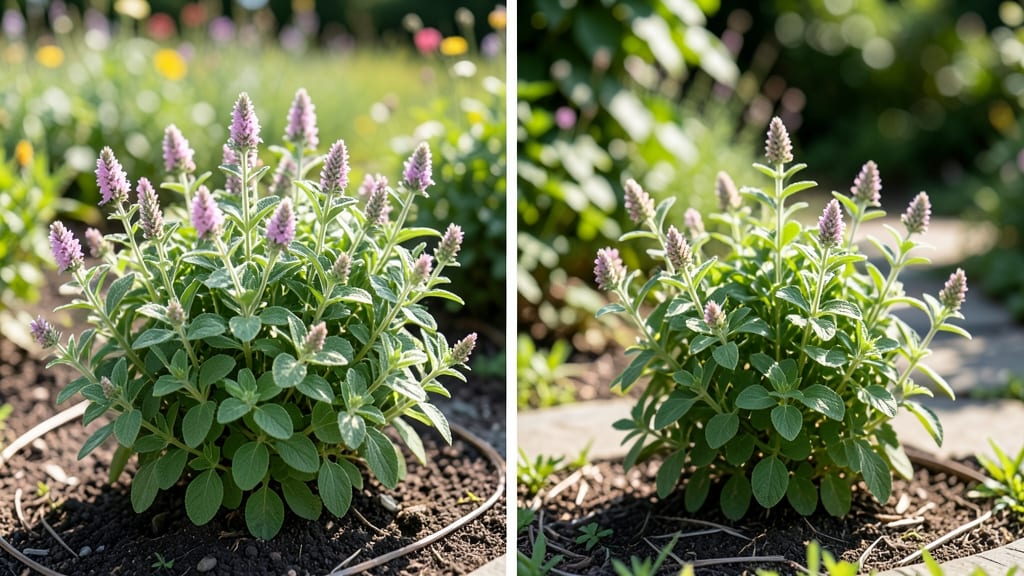
Oregano thrives in sun or shade—but the difference between bold flavor and weak growth often comes down to light exposure and variety choice.
Picture this: your 🌿 oregano plant is planted in a shady corner, and while it survives, the leaves taste bland, almost flavorless. That’s because most oregano varieties—especially the classic Greek, Italian, or Mexican types—crave 6+ hours of direct sunlight to develop their signature punch.
But here’s the twist: not all oregano is created equal. Some varieties, like Golden or Creeping oregano, handle partial shade better, making them perfect for shadier gardens or containers. The key? Matching your plant to its ideal light conditions and knowing how to tweak care when sunlight shifts.
In this guide, I’ll break down the best oregano types for sun or shade, how to spot light stress, and simple tricks to boost flavor—whether your herb garden basks in full sun or thrives in dappled shade.
 Best Window Placement
Sun-loving oregano varieties: maximizing flavor and growth
If you're growing oregano for that bold, earthy flavor in your cooking, sunlight is your secret weapon. The more direct sun your oregano receives, the more intense its essential oils become, packing a punch in every dish.
But not all oregano varieties are created equal—some thrive in full sun while others tolerate partial shade. Let’s focus on the sun-loving varieties that will reward you with the most aromatic leaves.
For peak growth and flavor, aim for 6 to 8 hours of sunlight daily. This is especially critical for Greek oregano, Italian oregano, and Mexican oregano, which are the powerhouses of sun-loving varieties.
These types not only grow faster but also develop a richer aroma when basking in full sun. However, even these varieties need well-draining soil to prevent root rot, so let’s dive into the specifics of how to give them the best conditions.
| Variety | Sun Needs | Soil Type | Flavor Intensity | Best For |
|---|---|---|---|---|
| Greek Oregano | 6+ hours (full sun) | Well-draining, rocky | Very high (earthy, peppery) | Mediterranean dishes |
| Italian Oregano | 6+ hours (full sun) | Moderate, fertile | High (sweet, slightly bitter) | Pizza, pasta sauces |
| Mexican Oregano | 6+ hours (full sun) | Dry, poor soil | Moderate (citrusy, piney) | Tacos, grilled meats |
| Golden Oregano | 5-6 hours (partial sun) | Well-draining | Moderate (mild, sweet) | Salads, garnishes |
Greek oregano, often called the king of sun-loving oregano, is the variety you’ll find in Mediterranean cuisines. It loves rocky, well-draining soil and intense sunlight, mimicking its native habitat in Greece and Turkey.
Plant it in a spot where it gets morning sun and afternoon shade if you’re in a hot climate—this prevents scorching while still maximizing flavor. For the best results, harvest leaves just before flowering, when the essential oils are at their peak.
Italian oregano, on the other hand, is a bit more adaptable but still craves full sun. It’s the variety most commonly found in American kitchens, thanks to its sweet, slightly bitter flavor that pairs perfectly with tomato-based sauces.
To keep it thriving, mix compost into the soil before planting and mulch around the base to retain moisture without suffocating the roots. This variety also benefits from regular pruning to encourage bushier growth.
For those living in hot, dry climates like the Southwest U.S., Mexican oregano is a fantastic choice. It’s incredibly drought-tolerant and thrives in poor, rocky soil, making it ideal for xeriscaping.
Unlike its Mediterranean cousins, Mexican oregano has a citrusy, piney flavor that’s perfect for seasoning grilled meats and tacos. Plant it in full sun and water deeply but infrequently to mimic its natural desert environment.
If you’re growing oregano in containers, choose a pot with drainage holes and place it in a location that gets at least 6 hours of direct sunlight. Terracotta pots are excellent because they wick away excess moisture, preventing root rot.
Use a lightweight potting mix with perlite or sand to improve drainage. For container-grown oregano, fertilize lightly with a balanced 10-10-10 fertilizer every 4-6 weeks during the growing season to encourage lush, flavorful growth.
In cooler climates, like the Pacific Northwest or New England, you can still grow sun-loving oregano, but you may need to provide some protection during winter. Use mulch or straw to insulate the roots and prevent freezing.
If you’re in Zone 5 or colder, consider growing oregano in containers so you can move it to a sheltered spot or bring it indoors during harsh winters. Even a south-facing window with a grow light can keep your oregano alive and thriving until spring.
One common mistake gardeners make is assuming that more sun is always better. While oregano loves sunlight, afternoon shade in extreme heat can prevent leaf scorch. If you notice the leaves turning yellow or crispy, it’s a sign your plant is getting too much direct heat.
Adjust by providing partial afternoon shade or moving potted oregano to a slightly shadier spot. With the right balance, your sun-loving oregano will reward you with abundant, flavorful harvests all season long.
To maximize flavor, harvest your oregano regularly throughout the growing season. Pinch back the tips to encourage bushier growth and prevent the plant from becoming woody.
The best time to harvest is in the morning after the dew has dried, when the essential oils are at their strongest. Store fresh oregano in the fridge for up to 2 weeks or dry it for long-term use.
With the right variety and sunlight, your homegrown oregano will taste far superior to anything you buy in the store.
🌿
Shade-tolerant oregano: best varieties for low-light gardens
Not all oregano craves 6+ hours of blazing sun. If your garden offers only partial shade (3–6 hours/day), you can still grow flavorful oregano—you just need the right varieties. Golden oregano and creeping oregano thrive in dappled light, while oregano-mint hybrids adapt beautifully to shaded spots.
These shade-tolerant types may sacrifice peak intensity compared to sun-lovers, but they’ll still deliver aromatic leaves with proper care.
Many gardeners mistakenly assume shade = weak flavor, but the truth is more nuanced. Oregano’s essential oils develop differently in low light, often producing a sweeter, more subtle aroma rather than the bold, peppery notes of full-sun plants.
The key is soil amendments and pruning strategies to compensate for reduced sunlight. Let’s explore your best shade-friendly options and how to maximize their potential.
Shade-Tolerant Oregano Varieties: Pros & Cons
✅ Bright yellow-green foliage adds visual interest
✅ Tolerates 3–4 hours of shade with minimal flavor loss
✅ Drought-resistant once established
❌ Slower growth than sun varieties
❌ Less intense flavor (more minty than classic oregano)
✅ Perfect for borders (spreads 12–18 inches wide)
✅ Handles 4–6 hours of shade well
✅ Hardy in containers or ground beds
❌ Prone to powdery mildew in humid shade
❌ Weaker aroma than traditional oregano
✅ Unique minty-oregano flavor (great for teas)
✅ Thrives in 3–5 hours of shade
✅ Pest-resistant (deer and rabbit deterrent)
❌ Not ideal for Italian/Mexican dishes
❌ Requires well-draining soil (rots easily)
To compensate for reduced sunlight, amend your soil with organic matter like compost or aged manure. Shade-loving oregano benefits from well-draining, slightly acidic soil (pH 6.0–7.0). Avoid heavy clay, which can suffocate roots in low light.
I recommend mixing in perlite or coarse sand to improve aeration—this helps prevent the leggy, sparse growth common in shaded oregano.
Pruning plays a critical role in maintaining flavor and shape. In shade, oregano grows more slowly, so I prune mine every 6–8 weeks to encourage bushier growth. Always cut just above a leaf node, and avoid shearing too hard—this can stress the plant.
Harvest leaves just before flowering (typically in late spring) to boost essential oil production, even in partial shade.
Watch for yellowing leaves, a classic sign of light deprivation. If your oregano looks pale or stretched, it’s begging for more brightness. Move potted plants to a sunnier spot gradually (over 1–2 weeks) to avoid shock.
For in-ground plants, consider reflective surfaces like white mulch or a nearby mirror to bounce extra light onto the foliage.
With the right variety and care, your shade-grown oregano can still deliver 30–50% of the flavor of sun-lovers. While it may never match the intensity of Greek or Mexican oregano in full sun, it’s a practical solution for shady patios, north-facing gardens, or indoor windowsills.
Experiment with Golden oregano first—it’s the most forgiving for beginners.
🌿