
Blooming
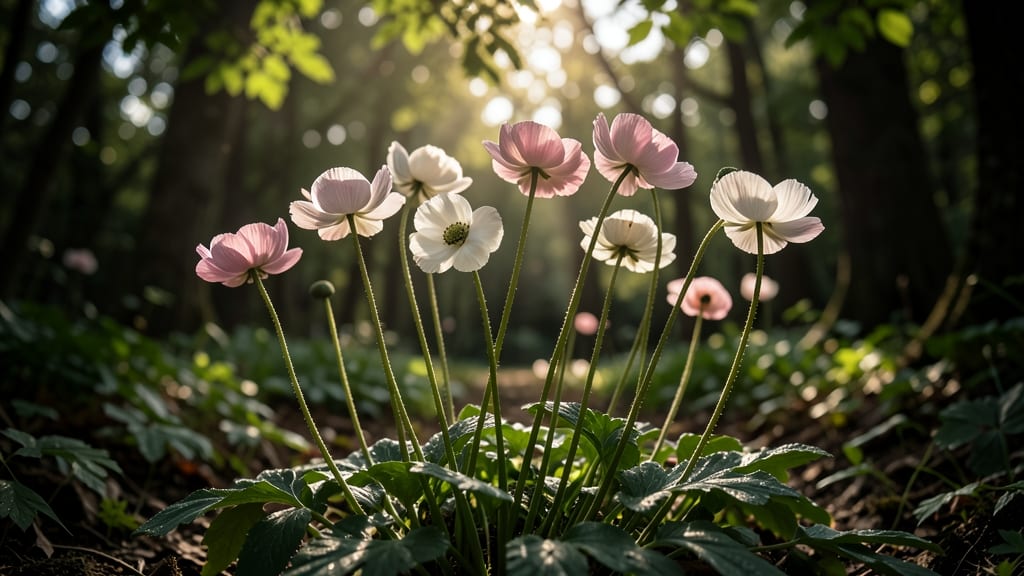
As summer winds down, many gardens lose their vibrant colors—but these 10 hardy perennials defy the trend by bursting into bloom in late summer and early fall. Perfect for extending your garden's season, they require minimal care while delivering maximum impact.
Black-Eyed Susan Rudbeckia Hirta

When your garden starts to fade as summer winds down, Black-Eyed Susan (Rudbeckia hirta) steps in to save the show with its bright yellow-orange blooms that last from midsummer through fall. This hardy perennial thrives in full sun and even tolerates dry spells once established, making it a lifesaver for low-water gardens.
Beyond its drought tolerance, this plant is deer-resistant, so you won’t have to worry about hungry critters munching it down. The cheerful flowers also attract bees, butterflies, and birds, turning your garden into a pollinator paradise. Simply deadhead spent blooms to encourage more flowers and watch it self-seed for years of effortless color.
Perfect for beginners, wildflower meadows, or cottage-style borders, Black-Eyed Susan brings joy with almost no fuss. 🌻
Purple Coneflower Echinacea Purpurea

When your garden needs a pollinator powerhouse that thrives in tough conditions, purple coneflower (Echinacea purpurea) delivers—both beauty and benefits. This late-summer bloomer attracts bees, butterflies, and hummingbirds while supporting medicinal uses like immune-boosting tea.
Plant it in full sun to partial shade with minimal soil prep—it tolerates poor, rocky, or sandy soil better than many perennials. Deadhead spent blooms to encourage more flowers, and leave seed heads for winter interest. Perfect for native gardens, pollinator patches, or even medicinal herb collections.
Gardeners who prioritize low-maintenance perennials with dual purpose will love this hardy, disease-resistant plant. 🌻
Russian Sage Perovskia Atriplicifolia

When your garden needs a drought-resistant star that thrives in hot, dry conditions, Russian Sage (Perovskia atriplicifolia) delivers with silvery-blue blooms and a subtle, minty fragrance that lingers in the breeze. This late-summer bloomer reaches 3-5 feet tall, making it perfect for adding vertical interest to borders without overwhelming smaller plants.
Plant it in full sun with well-draining soil, and you’ll get year-round appeal—its aromatic foliage stays attractive even after blooming. Prune back in early spring to encourage bushier growth, and watch it attract pollinators like bees and butterflies. It’s especially prized in xeric landscapes and cottage gardens where water conservation is key.
For gardeners in arid climates or those seeking low-maintenance plants, Russian Sage is a must-have—it’s tough, fragrant, and keeps your garden looking lush when others fade. 🌻
Goldenrod Solidago Virgaurea

If you’ve ever blamed goldenrod for your summer allergies, think again—this bright yellow perennial is a pollinator powerhouse that thrives in conditions too tough for many plants. Unlike its villainous reputation, Solidago virgaurea is a lifeline for bees, butterflies, and other beneficial insects, especially in late summer when food sources dwindle.
This hardy plant adapts to almost any soil, from moist meadows to dry, rocky slopes, making it ideal for naturalized areas or wildflower gardens. With its airy, plume-like blooms, it adds movement and texture to borders while requiring minimal care—just deadhead spent flowers to encourage more blooms. Plant it in full sun to part shade for the best results.
Perfect for gardeners seeking low-maintenance beauty, Goldenrod is also a great choice for restoring native ecosystems. Its late-summer bloom ensures your garden stays vibrant long after other perennials fade. 🌻
Sedum Autumn Joy Sedum Spectabile

If you love low-maintenance plants that pack a punch, Sedum Autumn Joy delivers with its succulent-like foliage and dramatic deep pink blooms that light up late summer gardens. Unlike many perennials, this variety thrives in full sun with minimal watering, making it perfect for busy gardeners or drought-prone areas.
Its thick, fleshy leaves store water efficiently, while the towering flower clusters (reaching 2-3 feet) create a striking focal point in containers, rock gardens, or modern landscapes. Deadhead spent blooms to encourage more flowers, and watch it reward you with year-round interest—even the foliage stays attractive through winter. Urban gardeners will love how it handles heat and neglect better than most perennials.
For a modern, water-wise garden that still feels lush and intentional, Sedum Autumn Joy is your secret weapon. It’s the perfect bridge between succulents and traditional perennials. 🌻
Joe Pye Weed Eutrochium Purpureum

If you’ve ever dreamed of a garden that thrives in soggy spots while still looking stunning, Joe Pye weed (Eutrochium purpureum) is your secret weapon. This native perennial reaches 4–7 feet tall, creating a dramatic vertical backdrop with its lavender-pink blooms that peak in August and September—just when other plants are fading.
Unlike most perennials, Joe Pye weed loves wet feet and even performs better in boggy soils, making it ideal for rain gardens, pond edges, or low-lying areas where other plants struggle. Its butterfly magnet blooms provide nectar for monarchs, swallowtails, and other pollinators, while its bold height adds structure to borders or wildflower meadows.
Perfect for gardeners with moist or poorly drained soil, this low-maintenance plant also tolerates full sun to partial shade. It’s a must-have for pollinator gardens and naturalistic landscapes where height and late-season color matter most. 🌷
Shasta Daisy Leucanthemum Superbum

When your garden needs a burst of timeless charm, Shasta daisies (Leucanthemum superbum) deliver effortless elegance with their bright white petals and cheerful yellow centers. These classic cottage-garden favorites bloom prolifically from mid-summer through fall, creating a soft, romantic backdrop for any landscape.
Thriving in full sun and adaptable to both dry and moist soils, Shasta daisies are incredibly low-maintenance—perfect for busy gardeners. Deadhead spent blooms to encourage more flowers, and watch them multiply over time. Their sturdy stems make them ideal for cutting gardens, providing long-lasting bouquets that brighten indoor spaces.
Whether you're filling borders, lining pathways, or creating a rustic charm in your yard, Shasta daisies bring year-round interest—even their foliage stays attractive well into winter. 🌻
Asters New England Aster Symphyotrichum Novae-Angliae

When your garden starts to fade in late summer, New England asters step in like a vibrant encore, offering daisy-like blooms in purple, pink, and blue that last well into fall. These hardy perennials thrive where others struggle, making them the unsung hero of mixed borders.
Plant them in full sun to partial shade—they’ll reward you with 3-4 weeks of continuous blooms from August through October. Their slender petals and compact form (2-4 feet tall) fit seamlessly into cottage gardens or modern landscapes. Just deadhead spent blooms to encourage more flowers and prevent self-seeding if you prefer tidy beds.
Perfect for beginner gardeners or anyone craving low-maintenance color, these asters also attract butterflies and bees, giving your late-season garden a pollinator-friendly boost. 🌻
Bee Balm Monarda Didyma

If you crave a garden that hums with life and color as summer fades, bee balm (Monarda didyma) is your secret weapon. This fragrant, tubular-flowered perennial doesn’t just attract bees—it creates a buzzing, fluttering ecosystem that hummingbirds can’t resist, all while thriving in moist soils that many perennials avoid.
Plant it in partial shade to full sun where the soil stays consistently damp, and you’ll reward yourself with late-summer blooms in vibrant reds, pinks, or purples that last for weeks. Deadhead spent flowers to encourage more blooms, and watch as your garden becomes a pollinator paradise. Its square stems and aromatic foliage also make it a standout in cottage-style gardens and containers.
Perfect for urban gardeners with limited space or those designing pollinator-friendly landscapes, bee balm brings both beauty and biodiversity to your late-summer garden. 🌻
Japanese Anemone Anemone Hupehensis

When most summer bloomers fade by August, Japanese anemone (Anemone hupehensis) steps in with delicate pink or white flowers that dance on slender stems, creating a magical late-season show. Unlike sun-loving perennials, this woodland beauty thrives in partial shade, making it ideal for understory plantings where few other flowers perform.
This low-maintenance perennial tolerates poor, rocky soil and even drought once established, yet rewards you with 3-4 weeks of blooms from late summer through fall. Deadhead spent flowers to encourage more blooms, and pair it with ferns or hostas for a lush, layered woodland effect. Its airy, almost ethereal blooms contrast beautifully with deep green foliage.
Perfect for beginners or gardeners with shady spots, Japanese anemone adds elegance without fuss—no pruning, no fussing, just effortless beauty. 🌷