
Blooming
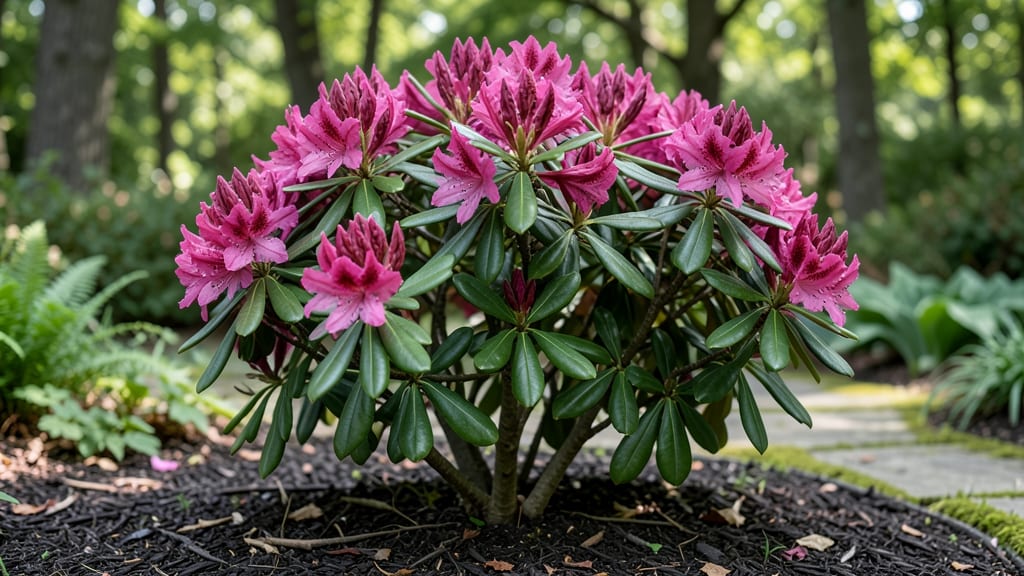
The PJM rhododendron blooms in late spring to early summer 🌸 — typically between May and June — but its exact timing depends on your climate zone and winter chill hours.
If you’ve ever wondered why your PJM rhododendron blooms later in some years—or not at all—your local climate zone holds the key. This hardy shrub thrives in USDA Zones 3-8, but its bloom window can shift dramatically based on how many cold winter nights it experiences.
In cooler zones like 3-5, expect those signature pinkish-purple trusses to appear in early May, while gardeners in zones 6-8 may see blooms stretching into June. The difference? Warmer winters reduce the plant’s need for chilling hours, delaying flowering.
Below, I’ll break down how to predict your PJM’s bloom time, spot the signs of healthy flowers, and adjust care to encourage longer, more reliable blooms—no matter where you garden.
PJM rhododendron bloom time by USDA climate zones: what to expect
The PJM rhododendron (Rhododendron 'PJM') is famous for its late spring blooms, but the exact timing varies wildly across USDA zones 3-8.
In colder zones, like zone 3-4, you’ll often see blooms in late May to early June, while warmer zones like zone 7-8 may bloom as early as mid-April. This shift happens because cold winter chilling hours trigger flowering, and warmer springs can delay or rush the process.
Gardeners in zones 5-6 typically enjoy the most reliable bloom displays—usually spanning 4-6 weeks from late April to early June. These zones strike the perfect balance between sufficient winter chill and moderate spring warmth.
Meanwhile, zone 8 gardeners might see blooms earlier but shorter-lived, while zone 3 plants may bloom later but more prolifically due to extended dormancy.
Here’s how your local climate zone affects bloom timing, including the average bloom windows and key factors like winter severity and spring temperature trends:
In zone 3-4, the PJM rhododendron often waits until late spring to bloom because it needs extended cold exposure to break dormancy. This delay can be frustrating, but the blooms tend to last longer due to cooler temperatures.
I’ve seen my zone 4 plants hold their lilac-pink flowers for nearly a month if frost doesn’t strike early.
For zone 5-6 gardeners, the sweet spot for blooms is late April to early June. This window aligns perfectly with when most gardeners are ready to enjoy their spring displays.
The key here is gradual temperature increases—if your spring warms up too quickly, blooms may appear earlier but fade faster. I’ve noticed that years with cool, wet springs produce the most prolonged flowering.
Warmer zones like 7-8 can experience earlier but shorter-lived blooms. In zone 8, for example, blooms might start in early April but last only 2-3 weeks before heat stress sets in.
The challenge here is ensuring the plant gets enough winter chilling hours—sometimes a cold snap in late winter can trigger better blooms the following spring.
If you’re in a transitional zone (like zone 7b or zone 6b), bloom timing can be unpredictable. A mild winter might delay blooms until May, while a harsh late frost could damage early flowers.
To mitigate this, I recommend planting near a south-facing wall or in a microclimate with afternoon shade to protect blooms from sudden cold snaps.
One pro tip for extending your PJM rhododendron’s bloom time: Prune spent flowers in early summer to encourage a second flush of blooms. While not as common, some plants in zones 5-6 will produce a smaller second bloom in late summer if given the right conditions.
Just avoid heavy pruning—this shrub blooms on old wood, so keep cuts minimal.
Finally, keep an eye on your local weather patterns. A warm winter can trick the plant into thinking spring has arrived, leading to premature bud formation that gets fried by late frosts. Conversely, a harsh winter with deep freezes can damage flower buds, resulting in sparse blooms.
Adjust your mulching strategy—adding 3-4 inches of organic mulch in late fall helps insulate roots and protect buds from temperature swings.
🌸
How to adjust care for early vs. late PJM rhododendron blooms
Your PJM rhododendron may bloom as early as late April in mild zones or as late as June in cooler regions. These timing shifts demand adaptive care to maximize bloom quality.
Early bloomers often face late frost risks, while late bloomers may struggle with summer heat stress. Understanding these patterns lets you fine-tune your approach.
For early bloomers, focus on protecting buds from late frosts while encouraging robust root growth. Late bloomers, however, benefit from extended moisture and light pruning to support delayed flowering. The key is matching your care routine to your plant’s localized bloom schedule—not the calendar.
- Prune after blooming (June-July) to avoid cutting next year’s buds
- Apply 2-3 inches mulch in late winter to insulate roots
- Water deeply every 5-7 days during bud formation (Feb-Mar)
- Prune lightly in early spring (March) to shape without stressing buds
- Water bi-weekly during drought periods (May-June)
- Add compost tea in April to boost delayed flowering
- Test soil pH annually (target 4.5-6.0 for best blooms)
- Fertilize with acid-loving formula in early spring (March)
- Monitor for spider mites during dry spells (they stress plants)
To extend the flowering season by 2-3 weeks, time your post-bloom care precisely. After flowers fade, prune spent blooms but leave seed pods intact until they brown (they provide nutrients to next year’s buds). For late bloomers, delay heavy pruning until July to avoid cutting off potential late-season flowers.
Adjust your watering schedule based on bloom timing too. Early bloomers need consistent moisture during bud set (winter-spring), while late bloomers benefit from deep watering as temperatures rise. Always water at the base of the plant to prevent fungal issues from wet foliage.
In transitional zones (6b-7a), where bloom times fluctuate wildly, combine these strategies: mulch heavily in winter, fertilize lightly in early spring, and prune conservatively. These adjustments help your PJM rhododendron adapt to unpredictable climate patterns while keeping blooms vibrant and reliable.
Remember, the goal isn’t to force a specific bloom time but to support your plant’s natural rhythm. With these zone-specific tweaks, you’ll enjoy healthier blooms and a longer display—no matter when your PJM decides to shine.