
Companion Plants
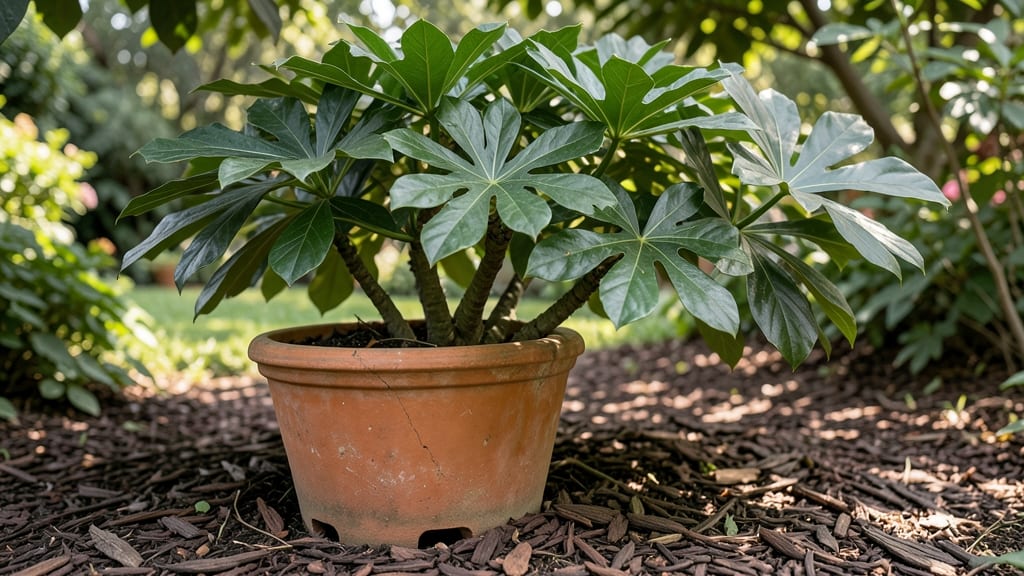
Shade-loving plants in pots transform dull corners into lush, vibrant spaces—no sunlight required. 🌿 I’ve filled my north-facing patio with containers that burst with color even when the sun stays away, and the secret isn’t complicated: the right plants, the right pots, and a little strategic styling.
The best shade plants—like ferns, impatiens, and calatheas—thrive in containers because they love moisture and humidity. Pair them with glazed ceramic or fiberglass pots to retain coolness, and add a saucer to keep roots happy.
For small spaces, group pots in odd numbers (3 or 5) for a natural, balanced look, and mix textures like matte and glossy finishes for depth. By summer’s end, you’ll have a year-round display that feels alive even in low light.
The key is layering plants by height—tall ferns or hostas in the back, trailing pothos or sweet potato vine in front—and letting foliage colors pop against the pot’s material. This works for balconies, porches, or shady garden beds. Let’s make your darkest spots the most stunning!
📚 In This Guide
- What you need
- Instructions
- Tips and common mistakes
- Wrapping up and next steps
What you need
- ● Containers: 3–5 pots (10–14 inches in diameter) with drainage holes. Tip: Terracotta or ceramic pots work best for moisture control.
- ● Potting Mix: 3–5 gallons of well-draining, peat-free mix (e.g., African violet or shade-tolerant blend). Pro tip: Add perlite or orchid bark (10–20%) for extra aeration.
- ● Shade-Loving Plants: 3–5 plants (e.g., ferns, hostas, impatiens, or calatheas). Choose based on your light conditions (deep shade vs. partial shade).
- ● Drainage Material: Small pebbles, gravel, or broken pottery (1–2 inches per pot).
- ● Watering Can or Spray Bottle: With a gentle spray nozzle for even moisture.
- ● Trowel or small shovel for mixing soil.
- ● Gloves to protect your hands.
- ● Saucer trays (to catch excess water and prevent messes).
- ● Fertilizer (balanced liquid or slow-release granules for shade plants).
- ○ Mulch (e.g., shredded bark) to retain moisture (optional for outdoor pots).
- ● A spot with indirect light (e.g., under trees, north-facing windows, or covered patios).
- ● Time to water 2–3 times per week (adjust based on humidity and pot size).
- ● Patience! Shade plants grow slower but reward you with lush, vibrant foliage.
Step-by-step guide for stylish shade-loving plant pots
Here's how to create vibrant, sun-free containers that thrive all year.
🪴 Step 1: Select the Right Containers for Shade Plants
Choose pots with drainage holes—shade plants hate soggy roots. I prefer 10-12 inch diameter containers for four plants, as they provide enough space for roots to breathe while keeping the soil moist. Terra cotta works best because it wicks away excess moisture, preventing root rot in low-light conditions.
For extra shade tolerance, select pots with glazed interiors to retain moisture while allowing airflow. You'll see the difference immediately when comparing a dry, cracked pot to one that stays consistently damp without waterlogging. Group pots together to create a microclimate that retains humidity naturally.
🌱 Step 2: Choose Shade-Tolerant Plant Combinations
Pick plants that thrive in low to moderate light—think heuchera, ferns, impatiens, and calatheas. I like pairing heuchera (with its colorful foliage) with ferns for texture, then adding impatiens for bursts of color. These combinations work because they all prefer 4-6 hours of indirect light daily and similar moisture levels.
When selecting, look for healthy, compact plants with no yellowing leaves. Avoid leggy specimens—they've been starved for light and won't recover well. You'll know you've chosen winners when the leaves are vibrant, not stretched or pale.
💧 Step 3: Prepare Moisture-Retentive Potting Mix
Use a well-draining potting mix blended with 20% perlite or orchid bark to improve aeration while holding moisture. I mix 3 gallons of potting mix with 1 cup perlite for each container. This keeps the roots happy without suffocating them—critical for shade plants that don't dry out as quickly as sun-lovers.
Fill containers 2/3 full with the mix, then tap gently to settle. Add a slow-release fertilizer (like 1 tablespoon per pot) to give your plants a nutrient boost without overfeeding. The goal is a fluffy, airy medium that holds moisture but doesn't stay soggy.
☀️ Step 4: Plant and Water for Shade Success
Remove plants from their nursery pots and loosen the roots if they're circling. Place each in its container, spacing them 3-4 inches apart for airflow. Fill gaps with more potting mix, pressing lightly to eliminate air pockets. You'll see the soil settle naturally after watering.
Water thoroughly until it drains from the bottom, then let the pot sit for 10-15 minutes to absorb excess. Shade plants need consistent moisture—water when the top inch of soil feels dry. Overwatering is the biggest mistake; you'll know it's right when the soil feels damp but not wet.
🌿 Step 5: Position and Maintain for Year-Round Beauty
Place pots in dappled shade (like under a tree canopy) or bright indirect light near east-facing windows. Rotate containers weekly so all sides get even light exposure. You'll notice leaves growing toward the light—this is normal, but rotating keeps plants balanced.
Fertilize monthly with a balanced liquid fertilizer (10-10-10) during growing season. In winter, reduce to every 6-8 weeks as growth slows. Watch for yellowing leaves—this usually means too much water or nutrient deficiency. Adjust care based on what you see.
Tips & tricks for perfect shade-loving plant pots
These simple tricks will help your shade plants thrive and keep your containers looking vibrant all year.
Container Selection: Terra cotta pots are ideal for shade plants because they wick away excess moisture, but plastic containers work too if you add extra perlite to improve drainage. I've found that glazed ceramic pots help retain moisture better in dry indoor spaces, while woven baskets create a cozy microclimate for humidity-loving plants like ferns.
Plant Pairing: When combining plants, think about their growth habits—tall ferns should go in the back, while trailing impatiens can spill over the edges. I always pair heuchera with ferns because their different textures create visual interest while sharing similar care needs. The key is to choose plants with similar water requirements to prevent over- or under-watering.
Mixing Tips: For the moisture-retentive mix, I recommend using coconut coir instead of peat moss if you want a more sustainable option—it holds moisture just as well. When mixing your 3 gallons of potting soil with 1 cup of perlite, don't pack it down too tightly. The goal is a fluffy texture that allows roots to breathe while still holding moisture. Tap the container gently after filling to settle the mix without compacting it.
Watering Wisdom: The 10-15 minute drainage time after watering is crucial—it prevents waterlogging while ensuring the roots get properly hydrated. I've learned the hard way that shade plants are more susceptible to root rot than sun-lovers, so always check for drainage holes before planting. For extra insurance, I place my pots on saucers to catch excess water that might otherwise pool at the bottom.
Pro Tips for Plants Pots Shade
- These simple tricks will help your shade plants thrive and keep your containers looking vibrant all year.
- Container Selection: Terra cotta pots are ideal for shade plants because they wick away excess moisture, but plastic containers work too if you add extra perlite to improve drainage.
- Plant Pairing: When combining plants, think about their growth habits—tall ferns should go in the back, while trailing impatiens can spill over the edges.
Frequently asked questions
Got questions about keeping your shade-loving plants thriving in pots? You’re not alone! Here are some of the most common concerns—and their easy solutions.
What are the best pots for shade-loving plants?
Choose pots with good drainage (like terracotta or ceramic) and avoid plastic if you live in freezing climates—it can crack. For extra shade, opt for darker-colored pots to absorb heat, or use lightweight materials like fiberglass if you need to move them often.
How often should I water shade plants in pots?
Shade plants dry out slower, but pots still need consistent moisture. Check soil weekly—stick your finger in 1-2 inches deep. Water when it’s dry, but avoid soggy soil. Pro tip: Use a moisture meter or self-watering pots for peace of mind!
Can I grow shade plants in pots year-round?
Yes! Most shade-loving plants (like ferns, hostas, or impatiens) thrive in pots, but move them indoors or to a garage during extreme cold or heat. Use frost-proof pots and mulch the soil in winter to protect roots.
What if my shade plant looks leggy or weak?
Leggy growth often means it’s stretching for light. Rotate pots weekly for even exposure, or prune back overgrown stems. Boost nutrients with a balanced fertilizer (like 10-10-10) every 4-6 weeks during growing season.
Are there low-maintenance shade plants for pots?
Try snake plant, ZZ plant, or peperomia—they tolerate low light and infrequent watering. For color, heuchera (coral bells) or begonias are great picks too!
Wrapping up and next steps
Growing shade-loving plants in pots is a fantastic way to bring life and color to your space—no sunlight struggles required! 🌿 With the right plants, pots, and care, you can enjoy a thriving garden year-round, even in low-light areas.
Whether you're a beginner or a seasoned gardener, this guide gives you the confidence to experiment and create a lush, vibrant oasis.
Ready to turn your shady spot into a green paradise? Start small—pick one or two plants from our list, grab a pot, and dive in! Your future self (and your plants) will thank you.