
Container Gardens
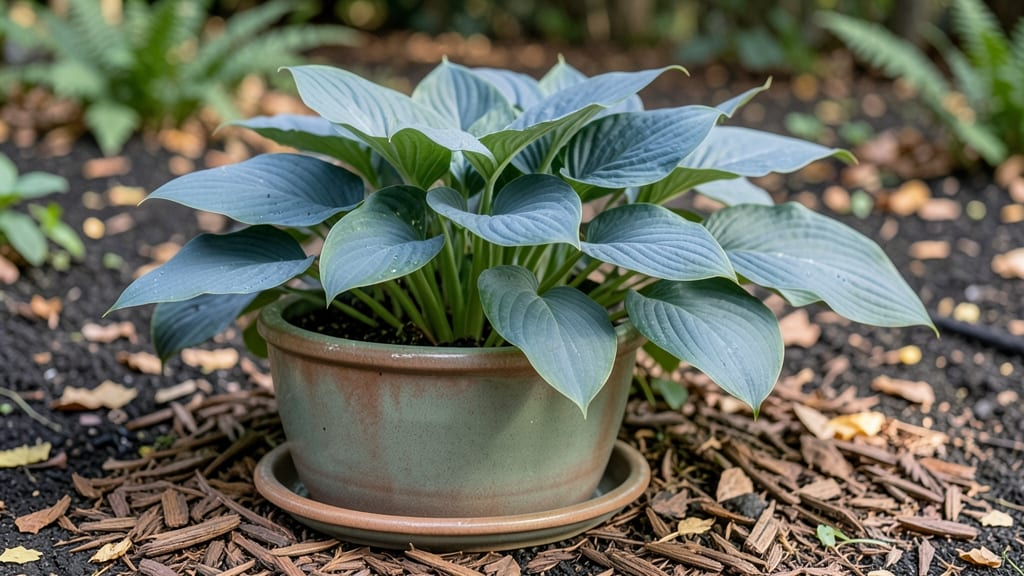
Shade-loving potted flowers can turn dark corners into vibrant green havens—no sun required. 🌿 I’ve filled my north-facing porch with thriving caladiums and impatiens that beginners can’t kill, and they’ve taught me the secrets to lush growth where others give up.
The key starts with the right plants: choose shade-tolerant varieties like ferns, begonias, or hostas, and match your container size to their mature spread. A 5-gallon pot works for most flowers, but bigger roots need bigger homes.
Soil should drain well but hold moisture—amend with compost to keep roots happy without soggy roots. Once planted, water when the top inch feels dry (usually 2-3 times a week in shade), and fertilize monthly with a balanced formula. The payoff?
Flowers that bloom reliably even in gloomy spots, with foliage so rich it makes neighbors ask for your secret. Common mistakes? Overwatering (shade slows evaporation) and skipping mulch (it locks in moisture). Stick to these basics, and your shade garden will outperform sun-soaked neighbors—no direct light needed.
📚 In This Guide
- What you need
- Instructions
- Tips and common mistakes
- Wrapping up and next steps
What you need
- ● Containers: 1–3 pots (size depends on plant type—6–12 inches in diameter for small flowers, 12+ inches for larger varieties like ferns or hostas). Ensure pots have drainage holes!
- ● Potting mix: 1–2 bags (5–10 quarts) of well-draining, peat-based or coco-coir mix (avoid heavy garden soil). Add perlite or vermiculite (1 cup per bag) for extra aeration.
- ● Shade-tolerant plants: Choose from: Impatiens (1–2 plants per 6-inch pot)
- ● Ferns (e.g., Boston or maidenhair, 1 per 10-inch pot)
- ● Heuchera (1 plant per 8–10-inch pot)
- ● Caladiums (1–2 tubers per 6-inch pot)
- ● Hostas (1 plant per 12-inch pot)
- ● Slow-release fertilizer: 1 packet (e.g., Osmocote or Miracle-Gro Shake ‘n Feed) for nutrients without fuss.
- ● Watering can or hose with a gentle nozzle: Shade plants need consistent moisture—avoid soggy soil!
- ● Pruners or small scissors: For trimming dead leaves or leggy growth.
- ● Mulch: 1–2 cups of pine bark or shredded leaves to retain moisture and suppress weeds.
- ● Plant saucers or trays: To catch excess water and protect surfaces.
- ● Grow lights (LED, full-spectrum): If your space is very dim (e.g., north-facing windows), use for 4–6 hours/day.
- ● Decorative stones or moss: For a polished, natural look around pots.
- ● Plant labels: To track varieties (especially useful for beginners!).
Step-by-step guide to thriving potted flowers in shade
Here's how to transform dim corners into vibrant displays using shade-tolerant varieties and smart care techniques.
🌱 Step 1: Select the Right Containers and Drainage
Choose pots with drainage holes—shade plants still need to avoid soggy roots. I prefer terra cotta for breathability or plastic with extra holes for moisture retention. For 4 plants, use 6-8 inch diameter pots (one per plant) with 2-3 drainage holes each. Place a coffee filter over each hole to prevent soil loss while allowing water to escape.
Line pots with sphagnum moss if you're concerned about root rot—it wicks excess moisture away. The key here is balance: shade plants need moisture but will suffocate if their roots sit in water. Test your pot's drainage by filling it with water and checking how quickly it drains—it should empty completely within 5-10 minutes.
🌿 Step 2: Choose Shade-Tolerant Varieties and Prepare Soil
Select plants that thrive in low to moderate light (2-6 hours of indirect sun). My go-to shade stars are impatiens, ferns, begonias, and caladiums—all of which handle 4+ hours of filtered light beautifully. Mix 1 part perlite into your potting soil to improve aeration, which prevents compaction that suffocates roots in shaded conditions.
Fill pots ¾ full with this amended mix, leaving room for roots to expand. Press down gently—you want the soil firm enough to support stems but loose enough that water can penetrate evenly. Tap the pot on the table 3-4 times to settle the soil without compacting it. This creates ideal air pockets for roots while preventing waterlogging.
💧 Step 3: Plant and Water for Immediate Root Support
Remove plants from their nursery pots and loosen roots if they're circling tightly. This prevents "pot-bound shock" when you transplant. Place each plant in its pot so the top of the root ball sits ½ inch below the rim—this gives you room to water without overflowing. Fill gaps with additional soil mix, pressing lightly around the base to eliminate air pockets.
Water immediately after planting. Use room-temperature water and pour slowly until it drains from the bottom holes—this ensures roots make contact with moist soil. Shade plants often need more frequent watering than sun-lovers, so check soil moisture by sticking your finger 1 inch deep. If it feels dry, water again. You'll notice leaves perk up within 24 hours of proper hydration.
☀️ Step 4: Position for Optimal Light and Airflow
Place pots in bright, indirect light—think east-facing windows or under sheer curtains. Avoid dark corners where plants stretch toward any available light (a sign of etiolation). Rotate pots quarter-turn weekly to encourage even growth. You'll see stems grow straighter and leaves develop more uniformly.
Ensure 2-3 inches of space between pots for airflow—this prevents fungal issues that thrive in stagnant, shaded conditions. If your space is truly dark, supplement with a grow light on a 12-hour timer placed 12-18 inches above the plants. Shade plants need less light intensity than sun-lovers, so keep the light dimmer than you would for vegetables.
✂️ Step 5: Maintain Through the Season
Water when the top inch of soil feels dry—shade plants signal thirst by drooping leaves or yellowing edges. Fertilize every 4-6 weeks with a balanced, water-soluble fertilizer (10-10-10) diluted to half-strength. Over-fertilizing in shade leads to salt buildup, which burns roots. You'll know you're doing it right when plants show steady, lush growth without leggy stems.
Deadhead spent blooms regularly to encourage continuous flowering—especially with impatiens and begonias. Prune leggy growth back by ⅓ to promote bushier, more compact plants. In winter, reduce watering by half and move pots to the warmest, brightest spot in your home. Shade plants often go semi-dormant in cold months, so let the soil dry slightly more between waterings.
Tips & tricks for thriving potted shade plants
Transforming dim spaces into vibrant displays starts with these key techniques that prevent common pitfalls with shade-loving plants.
Drainage Test: Before planting, always perform the 5-10 minute drainage test with your pots. Fill each one with water and time how quickly it drains completely. If water pools after 10 minutes, add more drainage holes or use a pot with better porosity. I've learned this the hard way—waterlogged soil leads to root rot faster than you'd think, especially in shade where evaporation slows down.
Root Loosening Technique: When transplanting your shade varieties, gently tease apart circling roots with your fingers before placing them in their new pots. This prevents "pot-bound shock" by encouraging roots to spread outward rather than staying compacted. I make a point to do this with every plant, even small ones—it's the difference between a plant that thrives and one that struggles to establish itself.
Light Rotation Strategy: Implement the quarter-turn weekly rotation for your pots to prevent uneven growth. Shade plants may not get direct sun, but they still need even light exposure. I mark my pots with a pencil on the bottom to track which side faces which direction. This simple habit keeps your plants growing uniformly rather than developing lopsided shapes that lean toward any available light.
Fertilizer Dilution: When using your 10-10-10 balanced fertilizer, always dilute it to half-strength for shade plants. The instructions specify this, but I can't stress enough how critical this is—shade environments already have slower nutrient breakdown. I once over-fertilized my shade collection and ended up with crispy leaf edges from salt buildup. Now I measure the fertilizer first, then add water to the container to ensure perfect dilution every time.
Pro Tips for Potted Flowers In Shade
- Transforming dim spaces into vibrant displays starts with these key techniques that prevent common pitfalls with shade-loving plants.
- Drainage Test: Before planting, always perform the 5-10 minute drainage test with your pots.
- Root Loosening Technique: When transplanting your shade varieties, gently tease apart circling roots with your fingers before placing them in their new pots.
Frequently asked questions
Got questions about keeping your potted flowers happy in shady spots? You’re not alone! Here are some of the most common queries—plus straightforward answers to help you grow with confidence.
Which potted flowers do best in shade?
Opt for hostas, ferns, impatiens, or caladiums—these thrive in low light. For partial shade, try coleus or begonias. Avoid sun-lovers like succulents or geraniums unless your shade is dappled.
How often should I water shade-loving potted flowers?
Shade slows evaporation, so check soil moisture weekly. Water when the top inch feels dry—usually every 5–7 days. Overwatering is riskier in shade; ensure pots have drainage holes to prevent root rot.
Can I use regular potting mix for shade plants?
Yes, but amend it for better drainage and moisture retention. Mix in perlite or orchid bark (20%) and a slow-release fertilizer. For heavy shade, add peat moss to improve aeration.
Why are my shade potted flowers wilting or yellowing?
Yellow leaves often signal overwatering or nutrient deficiency. Check for soggy soil or pests (like spider mites). Move pots to brighter indirect light if growth stalls, or fertilize lightly with a balanced 10-10-10 mix.
Can I rotate potted flowers in shade for even growth?
Rotate pots every 2–4 weeks to ensure all sides get equal light. This prevents lopsided growth and helps plants stretch toward the brightest spot naturally. Just avoid sudden extreme moves—gradual adjustments work best!
Wrapping up and next steps
Transforming shady spots into vibrant displays of greenery is easier—and more rewarding—than you think! 🌿 With the right potted flowers in shade, you can bring life to even the dimmest corners of your home or garden.
Whether you’re a seasoned gardener or just starting out, these low-light champions prove that beauty thrives with a little patience and care.
Now that you’re armed with the best plant picks, soil tips, and troubleshooting tricks, take the next step: Grab a pot, pick your favorite shade-loving star, and let your creativity bloom! Start small, experiment with textures, and watch your space glow with effortless charm. Happy gardening! 🌱✨