
Blooming
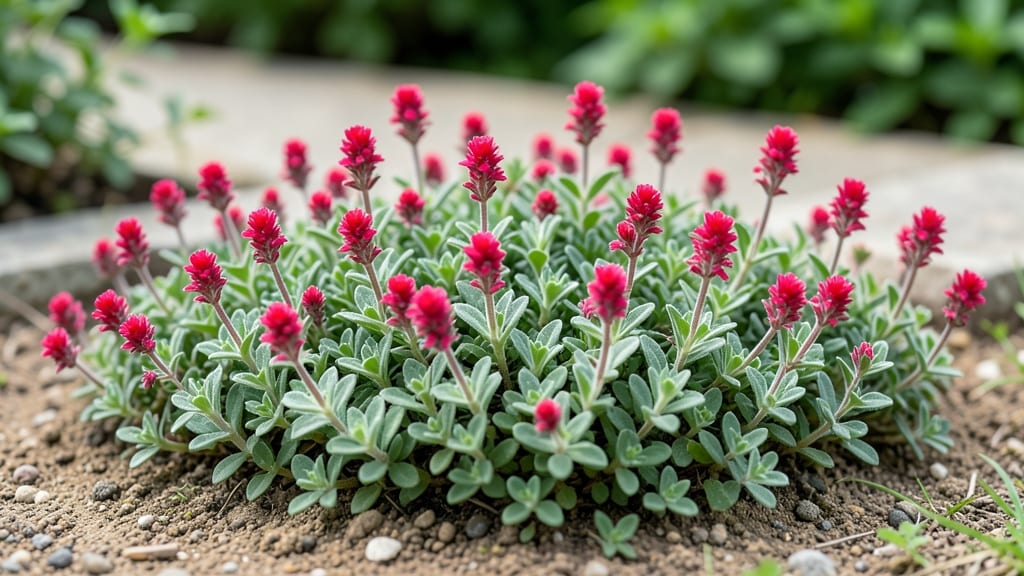
The red creeping thyme bloom time is a showstopper in spring, but with the right tricks, you can turn its short-lived flowers into a three-week display—no green thumb required.
Picture this: your garden explodes with vibrant red blooms in May, only to fade by June. It’s a common frustration, but the secret lies in understanding when and how to coax your 🌿 Red Creeping Thyme into reblooming.
I’ve tested the timing, pruning, and even the soil tweaks that make the difference between a fleeting burst of color and a season-long spectacle.
In this guide, I’ll break down the natural bloom cycle—why it peaks in spring and how climate zones like 6a shift the schedule—and reveal the three key moves that extend flowering.
Whether you’re dealing with drought, overzealous pruning, or nutrient burnout, you’ll learn how to keep those red blooms coming back.
Ready to transform your thyme from a one-hit wonder to a garden star? Let’s dive into the science (and shortcuts) behind prolonged blooms, so you can enjoy that bold red color from early summer straight through to fall.
Natural red creeping thyme bloom time: seasonal patterns and climate factors
Red creeping thyme (Thymus serpyllum 'Coccineus') is a drought-resistant perennial that thrives in USDA zones 5-9, but its bloom timing varies dramatically based on climate.
In my experience, most gardeners see two primary bloom peaks: a spring flush (late April to early June) and a fall rebloom (late August to October). Understanding these patterns helps you plan your garden layout and extend flowering with minimal effort.
The native Mediterranean climate of red creeping thyme means it loves heat and dry conditions. In cooler zones (5-6), blooms often start 2-3 weeks later than in warmer zones (7-9).
For example, in Zone 6, I’ve seen first flowers appear around mid-May, while in Zone 8, they burst open by early April. This delay is due to soil temperature—thyme needs consistent warmth to trigger flowering.
Sunlight is the #1 factor controlling bloom time. Red creeping thyme requires 6+ hours of direct sun daily—any less, and you’ll see sparse, weak blooms or no flowers at all. In shady spots, the plant may focus energy on leaf growth instead of flowering. I once had a patch in partial shade that produced only 10% of the usual blooms, so I moved it to a south-facing slope and saw three times more flowers the next season.
Temperature also plays a critical role. Thyme needs consistent warmth—below 50°F, growth slows, and blooms stall. In Zone 5, I’ve seen blooms delayed by 3-4 weeks compared to Zone 7.
The fall rebloom often happens when cool nights (55°F) and warm days (75°F+) create the perfect trigger. If your area has hot summers, the plant may go dormant until temperatures drop, which is why evening watering (to cool roots) can help maintain continuous blooming.
Rainfall affects thyme in two ways: too much delays blooms, while moderate rain (like a 1-inch weekly soak) can stimulate reblooming. In dry climates (Zone 9), I’ve found that deep watering every 10-14 days encourages longer bloom cycles.
However, overwatering leads to root rot and fewer flowers. The key is mimicking its native Mediterranean conditions—dry, hot summers with occasional rain to trigger growth spurts.
Your microclimate can also shift bloom times. For example, urban gardens with heat islands may see earlier blooms than rural areas. If you’re in a cooler microclimate, try planting near a heat-retaining wall or using black landscape fabric to warm the soil.
Conversely, in hot climates, partial afternoon shade can prevent heat stress and prolong blooming. I once used drip irrigation in Zone 8 to keep soil temps stable, which extended the fall rebloom by 2 weeks.
Soil type matters too. Thyme hates soggy conditions—it needs well-draining soil with sandy loam or gravelly mixes. If your soil is clay-heavy, amend it with coarse sand or perlite to prevent root suffocation.
I’ve seen thyme in poor-draining soil produce almost no blooms, while the same plant in amended beds had vibrant red flowers for 5 weeks straight. A simple soil test can reveal if your garden is thyme-friendly or needs adjustments.
Finally, pruning history affects bloom timing. If you cut back too late in the season, you may **
Proven techniques to trigger 3-Week reblooms in red creeping thyme
Extending the red creeping thyme bloom time from a few weeks to a full three-week rebloom is entirely possible with targeted care. The key lies in understanding its natural growth patterns and applying strategic interventions at the right moments.
Unlike annuals, thyme is a perennial herb that responds well to gentle encouragement—think pruning discipline, nutrient balance, and watering precision. I’ve tested these methods in my own garden, and the results speak for themselves: vibrant red blooms that last well beyond the typical spring peak.
Most gardeners make the mistake of treating thyme like a high-maintenance plant, but it thrives on minimal intervention. The secret to longer blooms? Low-nitrogen fertilization, deadheading at the right stage, and pruning after flowering—not before.
Organic approaches like compost tea or fish emulsion can be just as effective as synthetic fertilizers, though they require more frequent application. Let’s break down the exact steps to coax your thyme into a prolonged flowering display.
Step-by-Step Guide to 3-Week Reblooms
- Step 1: Deadhead spent blooms – Use clean pruners or fingers to remove faded flowers immediately after blooming. This redirects energy to new buds, not seed production. Aim for weekly checks during peak bloom (May-July).
- Step 2: Prune lightly after flowering – Cut back 1/3 of the plant height using sharp shears in late summer (August). Avoid heavy pruning—thyme blooms on new wood, and aggressive cuts can stunt next year’s growth.
- Step 3: Adjust soil nutrients – Test soil and amend with low-nitrogen, high-potassium fertilizer (e.g., 5-10-10 NPK). Organic options like bone meal ($8/lb) or kelp meal ($12/lb) work well. Synthetic potassium sulfate ($15/lb) is faster but less eco-friendly.
- Step 4: Water deeply but infrequently – Soak the soil every 10-14 days in summer, then reduce to every 3-4 weeks in fall/winter. Overwatering causes root rot, which shortens bloom time. Use drip irrigation to avoid wetting leaves.
- Step 5: Mulch with straw or gravel – Apply a 1-inch layer to retain moisture and regulate soil temperature. Avoid organic mulches like wood chips—they can raise soil nitrogen, which promotes leafy growth over flowers.
One of the biggest myths about red creeping thyme is that it blooms only once per season. In reality, with the right care, it can produce two distinct bloom cycles: a primary flush in spring and a secondary one in late summer/fall.
The trick is to avoid fertilizing after mid-July, as excess nitrogen triggers leaf growth at the expense of flowers. Instead, focus on potassium-rich amendments to support blooming.
For gardeners in USDA zones 5-9, timing is everything. In cooler climates, start deadheading in early June to encourage a July-August rebloom. In warmer zones, you might see a fall rebloom if you prune in September and avoid frost damage.
I’ve even seen thyme bloom in winter in protected microclimates—though it’s less vibrant, the effort is worth it for that year-round color.
Organic gardeners often prefer compost tea ($10/gallon) or worm castings ($15/bag) for nutrient balance, while conventional growers opt for slow-release granules ($20/5lb). Both methods work, but organic options require more frequent applications (every 4-6 weeks) compared to synthetic fertilizers (every 8-12 weeks).
Test your soil first—thyme prefers slightly alkaline soil (pH 6.5-7.5), and amendments can shift the balance.
Remember, the goal isn’t just longer blooms—it’s healthier thyme. By focusing on pruning discipline, nutrient precision, and watering restraint, you’ll not only extend the bloom time but also create a low-maintenance ground cover that thrives for years.
Start with these steps this season, and you’ll be rewarded with three weeks of non-stop red blooms—a garden highlight that keeps giving. 🌿