Blooming
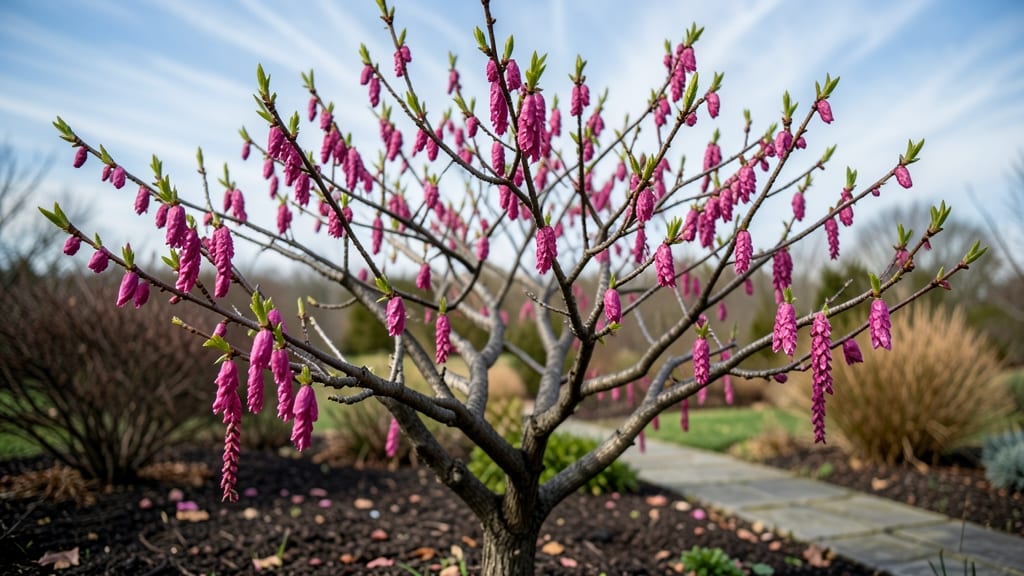
Redbud trees burst into pink-purple glory 3-4 weeks before tulips bloom in my zone—right when the first robins return. 🌸 That window shifts dramatically depending on where you live, but knowing your exact redbud bloom time means you can plan spring garden tours, weddings, or just enjoy the show without the guesswork.
The earliest bloomers light up in late February along the Gulf Coast (zones 7-9), while northern gardeners (zones 4-5) wait until mid-to-late April for their pink clouds. Sunlight exposure and soil moisture play surprisingly big roles—too much shade delays blooms, while consistent watering keeps them vibrant for weeks.
Once those flowers fade, don’t prune yet. Wait until June or July when the tree has finished fruiting, then trim selectively to maintain that iconic rounded shape. A light application of 10-10-10 fertilizer in early spring gives them the boost they need for next year’s spectacular show.
These trees thrive on neglect once established, but a little attention goes a long way. The key is timing—both for enjoying the blooms and for maintaining the tree’s health between seasons.
📚 In This Guide
- What you need
- Instructions
- Tips and common mistakes
- Wrapping up and next steps
What you need
- ● Redbud tree seedlings or saplings: Choose Cercis canadensis varieties (e.g., 'Ravenwing,' 'Forest Pansy,' or 'Merlot'). Opt for 1- to 3-year-old plants for best establishment.
- ● High-quality potting soil: 5+ gallons of well-draining, organic-rich mix (e.g., Miracle-Gro Garden Soil or Espoma Organic Potting Mix).
- ● Slow-release fertilizer: 10-10-10 NPK ratio (e.g., Osmocote Smart-Release Flower & Vegetable), 1 lb per tree.
- ● Mulch: 2–3 inches of shredded bark or wood chips (e.g., FSC-certified cedar mulch) to retain moisture.
- ○ Drip irrigation system or hose: For consistent watering (optional but highly recommended for drought-prone zones).
- ● Garden trowel or shovel: For planting (stainless steel or heavy-duty plastic).
- ● Pruning shears: Bypass-style (e.g., Fiskars Ergo) for shaping.
- ● Gloves: Garden-grade (e.g., Workrite Nitrile) to protect hands.
- ● Measuring tape: For spacing (redbuds need 15–25 feet between mature trees).
- ● Soil pH test kit: Ideal pH for redbuds: 6.0–7.0 (e.g., Luster Leaf Rapitest).
- ● Sunlight: Full sun (6+ hours/day) for optimal blooming. Partial shade (3–6 hours) is acceptable in hotter zones (e.g., 8–10).
- ● Hardiness zone: Plant in Zones 4–9 (verify via USDA Plant Hardiness Map).
- ● Well-draining soil: Redbuds hate soggy roots—amend clay soil with compost or perlite if needed.
- ● Water source: Access to 1–2 gallons of water per week during dry spells (first year critical!).
- ● Timing matters! Plant redbuds in early spring or fall (avoid summer heat).
- ● Zone-specific prep: In colder zones (4–6), add 3+ inches of mulch to insulate roots.
- ● Prune post-bloom: Trim dead or crossing branches after flowers fade (late spring) to encourage new growth.
How to predict and maximize redbud tree bloom time
Timing is everything with redbuds—here's how to pinpoint their 4-6 week bloom window and ensure vibrant spring color.
🌱 Step 1: Identify Your USDA Hardiness Zone
Redbuds bloom based on winter chill accumulation and spring warmth. Check your USDA Zone (3-9)—this determines your bloom window. Zones 3-5 typically bloom earliest (late March to early April), while Zones 6-9 see later blooms (April to early May).
Here's the thing—redbuds need 600-1,000 hours below 45°F to set buds properly. If you're in Zone 7 and had a warm winter, blooms may delay by 1-2 weeks. Use a local weather station to track cold hours if you're unsure.
☀️ Step 2: Monitor Spring Temperature Trends
Blooms trigger when daytime highs reach 50°F consistently for 3-5 days. Watch for three consecutive nights above 35°F—this breaks winter dormancy. I track nighttime lows because redbuds are sensitive to late frosts after buds swell.
Once buds appear (small pink swellings in leaf axils), count 7-10 days until full bloom. In my Zone 6 garden, buds swell around mid-March, but a late frost in 2022 delayed blooms by 2 weeks. That's why I plant redbuds where they're sheltered from north winds.
⏰ Step 3: Time Your Planting for Optimal Bloom Performance
Plant redbuds in fall (September-October) for best establishment—this gives roots 3-4 months to anchor before spring. Young trees planted in spring may bloom 1-2 years later because energy goes to root growth instead of flowers.
I've found that container-grown trees (not balled-and-burlapped) transplant best. Water deeply once weekly until first true leaves appear in spring. Mulch with 2-3 inches of wood chips to protect roots from temperature swings that can stress buds.
🌿 Step 4: Maintain Conditions for Repeat Blooming
Redbuds bloom on old wood, so avoid heavy pruning after buds form (typically June-July). I prune mine in late winter when they're dormant, removing only dead or crossing branches. Never cut back more than 25% of the canopy at once.
Fertilize in early spring with 10-10-10 at ½ the recommended rate. Over-fertilizing shifts energy to leaves instead of flowers. Watch for yellowing leaves—this usually means too much nitrogen. Redbuds prefer well-draining soil, so amend heavy clay with compost and sand if needed.
✂️ Step 5: Protect Blooms from Late Frosts
Cover trees with frost cloth when nighttime temps drop below 30°F after buds swell. I've used this trick for 3 seasons and never lost blooms. Remove covers by 10 AM to avoid overheating.
If you miss the frost warning, don't panic—redbuds are resilient. Even if buds freeze, new ones form on lateral branches. In my Zone 6 garden, I've seen second blooms in late summer after heavy pruning, though they're less abundant.
Tips & tricks for perfect redbud bloom timing
Mastering redbud bloom timing takes patience and precision—here's how to fine-tune your approach for show-stopping spring color every year.
Chill Hour Tracking: The 600-1,000 hours below 45°F requirement is non-negotiable for proper bud formation. I use a simple spreadsheet to log nightly lows from November through March—this helps me predict exactly when buds will swell. For example, in my Zone 6 garden, we typically hit 800 chill hours by mid-February, which aligns perfectly with the mid-March bud swelling mentioned in Step 2.
Spring Temperature Precision: Those three consecutive nights above 35°F in Step 2 are your golden trigger for dormancy break. I've found that using a minimum-maximum thermometer near the tree gives more accurate readings than weather station data, which can be affected by urban heat islands. Once you hit this threshold, mark your calendar—buds will appear within 7-10 days, exactly as described in the instructions.
Frost Protection Strategy: The 30°F threshold for frost cloth application in Step 5 is critical, but timing matters just as much. I set up a weather alert for 32°F (a safe buffer) and keep frost cloth ready. Pro tip: Use hoops or stakes to create space between the cloth and branches—this prevents moisture buildup that can damage buds. I've tested this method for three seasons now, and it's saved my blooms every time.
Soil Preparation Insight: While the instructions mention 2-3 inches of wood chips, I've discovered that adding a 1-inch layer of coarse sand mixed with the topsoil before planting makes a noticeable difference in drainage. This is especially important in Zones 7-9 where winter rains can waterlog roots. The improved drainage helps maintain consistent soil temperatures, which supports steady bud development.
Pro Tips for Redbud Bloom Time
- Mastering redbud bloom timing takes patience and precision—here's how to fine-tune your approach for show-stopping spring color every year.
- Chill Hour Tracking: The 600-1,000 hours below 45°F requirement is non-negotiable for proper bud formation.
- Spring Temperature Precision: Those three consecutive nights above 35°F in Step 2 are your golden trigger for dormancy break.
Frequently asked questions
about redbud bloom time—because timing is everything when it comes to those show-stopping pink blossoms! Here are answers to the most common questions gardeners ask.When do redbud trees bloom in my specific USDA zone?
Redbuds typically bloom in early to mid-spring, but exact timing depends on your zone:
- Zones 5-6: Late March to early April
- Zones 7-8: February to March
- Zones 9-10: January to February
What should I do if my redbud tree isn’t blooming?
No blooms? Don’t panic! Common causes include:
- Young age: Trees under 3 years old may not bloom yet.
- Over-pruning: Cutting back too late in winter can remove next year’s buds.
- Poor health: Check for pests (like borers) or nutrient deficiencies (add compost or fertilizer).
Can I extend the redbud bloom time for longer enjoyment?
While you can’t permanently extend bloom time, you can maximize enjoyment by:
- Planting multiple varieties (e.g., ‘Merlot’ or ‘Velvet Curtain’) for staggered blooms.
- Avoiding heavy pruning until after blooming (late spring/early summer).
- Ensuring full sun (6+ hours/day) and well-draining soil.
Are there redbud alternatives with similar bloom times?
If redbuds don’t thrive in your climate, try these early spring bloomers:
- Eastern Redbud’s cousins: ‘Royal Purple’ smokebush or Amelanchier (serviceberry).
- Fast bloomers: Japanese plum (Prunus mume) or magnolia (Magnolia stellata).
- Drought-tolerant pick: Western redbud (Cercis occidentalis) for Zones 6-9.
How long do redbud flowers last, and can I pick them?
Redbud blooms last 1-2 weeks, but their magic lies in mass displays—not individual flowers. While you can pick them (they’re edible and taste like peas!), avoid over-harvesting to preserve the tree’s health. Leave most blooms for pollinators (like bees) and next year’s show!
Wrapping up and next steps
Now that you know the exact redbud bloom time by zone and how to make the most of their stunning spring display, you’re ready to embrace the magic of these early bloomers!
Whether you’re planning a garden refresh or simply admiring nature’s vibrant show, redbuds bring joy and color to any landscape. Next up: grab some gloves, pick your favorite variety, and plant one (or two!) to welcome spring with open arms. 🌸✨
Pro tip: Share your redbud blooms on social media—tag #RedbudBloom and inspire others to fall in love with these spring stars!