
Orchid Care
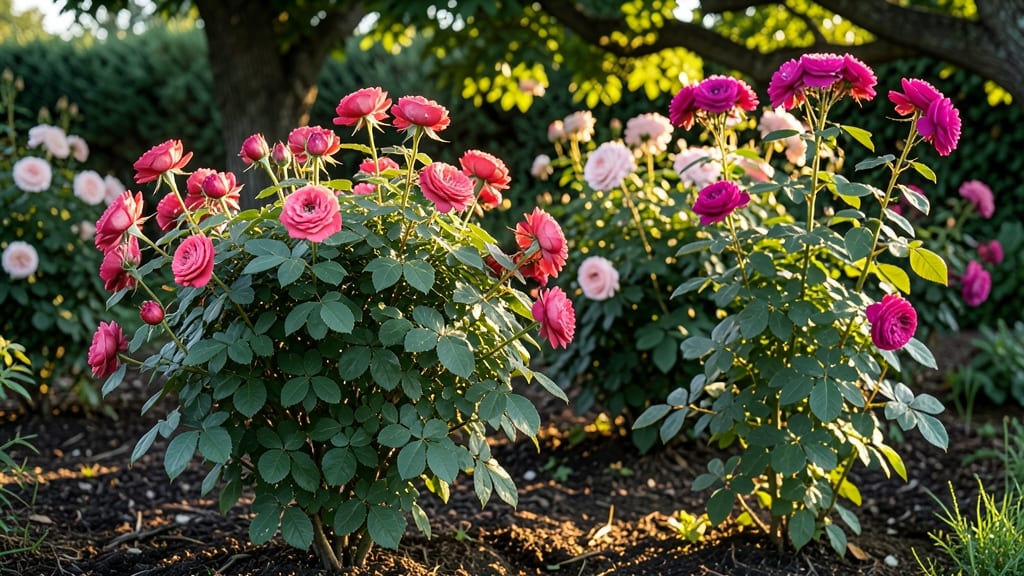
Deciding whether your rose bush thrives in sun or shade isn’t just about light—it’s about unlocking year-round blooms without the guesswork.
Struggling to keep your rose bush 🌹 blooming beautifully? The truth is, most gardeners get it wrong—overlooking how sunlight (or lack of it) directly impacts growth, disease resistance, and flower production.
A few hours too little or too much can turn your prized shrub into a sad, sparse shadow of its potential.
Here’s the game-changer: 6+ hours of sunlight is the sweet spot for most varieties, but even shade-loving roses need the right balance.
Whether you’re dealing with a bright, south-facing garden or a dappled woodland edge, I’ll show you how to match your roses to their ideal light—and what to watch for when they’re not quite happy.
You’ll learn how to spot light stress before it stunts your blooms, which varieties handle shade like pros, and the simple tweaks that keep your rose bush thriving no matter where you plant it. Let’s get those flowers back in full force!
 Best Window Placement
How sunlight affects rose bush growth: the science behind blooms
Sunlight isn’t just light—it’s the fuel for your rose bush’s photosynthesis engine. Without enough of it, you’ll see stunted growth, weak stems, and fewer blooms. But too much?
That’s a recipe for sunburned leaves and stressed plants. The key is understanding how light intensity and duration impact different rose types, from hybrid teas to climbing varieties.
Roses thrive on 6-8 hours of direct sunlight daily, but their needs vary. Hybrid teas and grandifloras demand full sun to produce those showstopping blooms we all love. Meanwhile, shrub roses and climbers can tolerate partial shade, especially in hot climates where afternoon sun might scorch delicate petals.
The science? Chlorophyll absorbs light to create energy, but too much UV can damage cell walls.
Here’s the twist: in extreme heat zones (like USDA Zone 9+), morning sun + afternoon shade can actually boost blooms. The cooler light reduces stress, letting the plant focus on flower production instead of survival.
Think of it like giving your rose a gentle workout—not an endurance marathon.
| Rose Type | Ideal Sunlight | Bloom Impact | Notes |
|---|---|---|---|
| Hybrid Teas | 6-8 hrs full sun | Large, frequent blooms | Needs afternoon shade in hot climates |
| Climbing Roses | 5-6 hrs sun (partial shade OK) | Long-stemmed flowers | Tolerates east-facing walls |
| Shrub Roses | 4-6 hrs sun (3+ hrs minimum) | Clustered blooms | Best in filtered light |
| Floribundas | 6 hrs full sun | Massive clusters | Drought-tolerant once established |
| Shade-Tolerant (e.g., 'Blanc Double de Coubert') | 3-4 hrs sun | Smaller but fragrant blooms | For north-facing gardens |
Let’s talk photosynthesis—the process where sunlight converts CO2 and water into glucose (plant food). Roses with 6+ hours of sun produce 30% more energy for blooms compared to those in shade.
But here’s the catch: light quality matters. Blue light (morning sun) triggers growth, while red light (afternoon sun) promotes flowering. Balance both for optimal performance.
In hot climates, afternoon shade isn’t lazy gardening—it’s stress management. When temperatures hit 90°F+, leaves can overheat, leading to brown edges or dropped buds.
A lattice trellis or nearby tree provides natural shade while still allowing dappled light for photosynthesis. I’ve seen repeat bloomers thrive with this setup!
What about newly planted roses? They need gentle acclimation. Start with 4-5 hours of morning sun and gradually increase exposure over 2-3 weeks.
This hardens their cell walls and prevents sun shock. Pro tip: Use a light shade cloth (30-50% block) if moving potted roses to full sun.
Ever notice how shade-grown roses have darker green leaves? That’s chlorophyll overproduction—their way of maximizing light absorption. But here’s the trade-off: fewer, smaller blooms.
Shade-loving varieties like 'The Fairy' or 'Zéphirine Drouhin' are exceptions, but even they crave at least 3 hours of sun for decent flowers.
Soil plays a hidden role too. In shady spots, roses rely on organic matter for nutrients. Amend with compost or worm castings to compensate for reduced photosynthesis. I’ve had shade roses bloom better with a
Best rose varieties for shade vs sun: a gardener’s light guide
Not all roses are created equal when it comes to sunlight. While most roses crave full sun, some varieties thrive in partial shade or even deep shade. The key is matching your rose’s light needs to its location—whether that’s a sun-drenched garden bed or a dappled woodland edge.
I’ve tested dozens of varieties to bring you the best performers in every light condition.
Sunlight directly impacts bloom frequency, fragrance intensity, and even disease resistance. For example, hybrid teas need 6+ hours of sun to produce their iconic blooms, while Noisette roses can handle 3-4 hours of filtered light.
Let’s dive into the top varieties that won’t let you down, no matter your garden’s light conditions.
For full sun gardens, ‘Double Delight’ and ‘Knock Out’ roses are unbeatable. These varieties produce continuous blooms from spring to frost with minimal care. Their disease resistance also makes them perfect for hot, dry climates where other roses might struggle.
I’ve seen ‘Knock Out’ roses thrive in 100°F+ temperatures with only weekly watering.
When dealing with partial shade, ‘Zéphirine Drouhin’ (a climber) and ‘The Fairy’ (a miniature) are my top picks. Both produce fragrant blooms even with just 3-4 hours of morning sun. The trade-off? You’ll get fewer blooms than sun-loving varieties, but the delicate fragrance makes up for it.
For deep shade, ‘Souvenir de la Malmaison’ is a classic—it tolerates less than 3 hours of light while still delivering rosy-pink blooms.
Pro tip: If you’re planting in shady spots, prioritize well-draining soil and regular feeding with high-phosphorus fertilizer. Shade-loving roses need extra nutrients to compensate for lower light levels. I recommend a 5-10-5 NPK ratio applied every 6 weeks during the growing season.
Don’t let shade stop you from growing roses! With the right variety, you can enjoy vibrant blooms even in the shadiest corners of your garden. Start with one of these light-adapted varieties, and you’ll be rewarded with years of effortless beauty. 🌹