
Shrubs
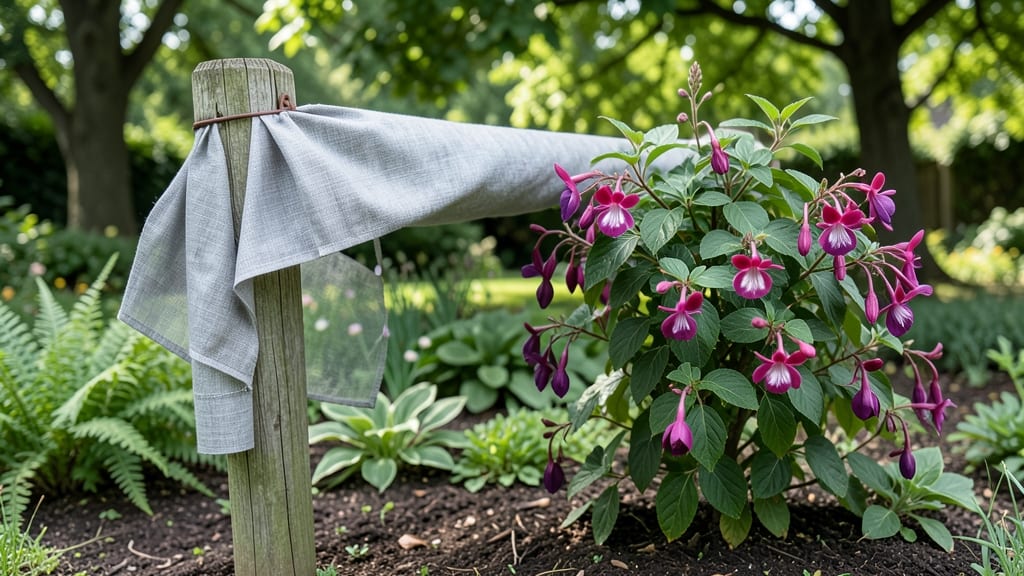
My 50% shade cloth roll saved my struggling hydrangeas last summer—now they’re bushier and blooming like never before. ✨ The secret isn’t just blocking light; it’s creating the perfect balance for shade-loving shrubs that still need a little sun to thrive.
Too much direct light scorches leaves, while too little stunts growth, but 50% block strikes that sweet spot for most shrubs.
You’ll need 10-foot sections (adjust based on plant height), sturdy stakes or hoops, and clips to secure the edges. Measure your shrubs’ mature spread, then cut the cloth 6–12 inches taller than the plants to allow airflow at the base.
Install it before peak summer heat hits—your shrubs will thank you with glossier leaves and fewer stressed-looking branches.
Think of it like a sun hat for your plants: just enough coverage to keep them cool without suffocating them. Within 4–6 weeks, you’ll notice new growth where leaves used to brown at the edges, and flowers stay vibrant instead of wilting by midday.
The best part? You can adjust it seasonally—remove it in cooler months or add extra layers if your climate gets intense.
Works for rhododendrons, azaleas, and even young fruit trees. Pro tip: Water deeply before installing—damp soil helps the cloth settle without flapping in the wind. Now, let’s get those shrubs thriving under the perfect shade!
📚 In This Guide
- What you need
- Instructions
- Tips and common mistakes
- Wrapping up and next steps
What you need
- ● 50% shade cloth by the roll – Choose a high-quality, UV-stabilized fabric (e.g., polypropylene or polyester) with a width of 6–10 feet and a length that matches your garden’s dimensions. A standard 100-foot roll covers most small to medium gardens.
- ● Measuring tape – For precise roll sizing and cutting.
- ● Utility knife or scissors – Sharp tools for clean cuts (a rotary cutter works great for long rolls!).
- ● Staple gun + heavy-duty staples – To secure the shade cloth to frames or posts.
- ● Wooden stakes, PVC pipes, or metal hoops – 4–6 per 10x10 ft. area for support frames. Opt for galvanized or treated wood to prevent rust.
- ● Bungee cords or zip ties – For temporary adjustments or securing edges.
- ● Hammer or mallet – For driving stakes into the ground.
- ● Level – Ensures your frame is straight and even.
- ● Twine or garden twine – To tie down loose edges or reinforce seams.
- ● Spray bottle with water – Helps dampen the cloth before cutting for cleaner edges.
- ○ Optional: Corner brackets or tension wires – For a polished, professional look on larger installations.
- ● Cleared garden space – Remove weeds, rocks, or debris to create a smooth surface.
- ● Sunlight analysis – Identify direct sun exposure areas to determine placement.
- ● Weather check – Avoid installing on windy days to prevent fabric shifting.
- ● Safety gear – Gloves (for handling stakes/cloth) and safety glasses (if using power tools).
Step-by-Step guide to installing 50% shade cloth for shrubs
Here's how to transform your low-light garden into a thriving oasis using shade cloth.
🪴 Step 1: Measure and Cut the Shade Cloth
Unroll your 50% shade cloth and lay it flat on the ground where you'll install it. Measure the area you want to cover, adding 12-18 inches to each side for secure anchoring. Use a fabric scissors to cut the cloth to size—shade cloth is easier to cut when flat, not stretched.
If you're covering multiple shrubs, measure each section separately. I like to sketch a quick outline on the cloth with a fabric marker before cutting to avoid mistakes. Remember, the cloth should extend beyond your shrubs by at least 6 inches on all sides to block light effectively.
☀️ Step 2: Install Support Frames or Hoops
For shrubs, I recommend using T-posts or metal hoops spaced about 4 feet apart along the perimeter. Drive the T-posts into the ground at the corners and along the edges, about 1 foot deep. For hoops, bend them into an arch shape and secure them vertically with stakes.
Adjust the height of your support frames so the shade cloth sits about 6-8 feet above the ground—this gives your shrubs room to grow while still providing protection. The cloth should drape loosely between supports, creating a tent-like structure. If it feels too tight, adjust your supports slightly.
🌿 Step 3: Secure the Shade Cloth to the Frame
Start at one corner and use UV-resistant zip ties or heavy-duty staples to attach the shade cloth to your support frames. Work your way around the perimeter, pulling the cloth taut but not overly tight—you want it to sag slightly in the middle for better light diffusion.
For extra durability, I like to add a second row of zip ties about 2 feet in from the edges. This prevents wind from lifting the cloth and ensures even coverage. Double-check that the cloth isn’t touching the shrubs—leave at least 12 inches of space above the tallest branches.
⏰ Step 4: Monitor and Adjust for Seasonal Changes
After installation, watch your shrubs for the first 2-3 weeks to see how they respond. If leaves appear pale or growth slows, the cloth may be blocking too much light—try loosening the ties slightly to allow more diffusion. Conversely, if new growth looks scorched, tighten the cloth a bit.
Seasonal adjustments are key. In summer, when the sun is strongest, keep the cloth fully secured. In spring or fall, you might roll up the sides or remove it entirely if temperatures drop below 50°F. I mark the cloth with a fabric pen to note where to adjust for future seasons.
💧 Step 5: Maintain and Clean for Longevity
Inspect your shade cloth every 2-3 months for tears, fading, or sagging. If you notice holes, patch them with a piece of matching cloth and UV-resistant tape. Rinse the cloth with a garden hose every 6-8 weeks to remove dust and debris—this keeps light penetration consistent.
Store the cloth during off-seasons by rolling it loosely (don’t fold—creases can weaken the material) and keeping it in a dry, shaded area. With proper care, a high-quality 50% shade cloth can last 3-5 years, making it a worthwhile investment for your low-light garden.
Tips & tricks for perfect 50% shade cloth installation
Transforming your garden with shade cloth takes just a few smart tricks to get it right the first time.
Precision Measuring: When measuring in Step 1, I can't stress enough how important those extra 12-18 inches are. This isn't just about covering your shrubs—it's about creating a proper buffer zone. I've seen people skip this and end up with cloth edges flapping in the wind or not providing enough protection. Use a tape measure for accuracy, especially if you have multiple shrubs of different sizes.
Support Frame Stability: For Step 2, don't just eyeball the 4-foot spacing between supports. Use a measuring tape to ensure even distribution, particularly if you're working with a curved garden bed. I recommend driving your T-posts at least 1 foot deep—they need to stand up to wind and seasonal ground shifts. If you're using hoops, bend them into perfect arches before securing them, or you'll end up with lopsided coverage.
Seasonal Adjustment Strategy: The 2-3 week monitoring period in Step 4 is your best friend. I've learned the hard way that what works in summer might not work in spring. Mark your cloth with a fabric pen where you made adjustments—this creates a visual guide for next year. Pro tip: In areas with extreme temperature swings, consider using adjustable hoops that let you raise or lower the cloth as needed without removing it entirely.
Maintenance Hack: When cleaning your shade cloth every 6-8 weeks, don't just hose it down—give it a good shake first to dislodge debris. I've found that using a soft-bristle brush can help remove stubborn dirt without damaging the fabric. And here's a secret: Store your cloth with a few cedar blocks nearby—they naturally repel pests and keep the material smelling fresh between seasons.
Pro Tips for Shade Cloth By The Roll
- Transforming your garden with shade cloth takes just a few smart tricks to get it right the first time.
- Precision Measuring: When measuring in Step 1, I can't stress enough how important those extra 12-18 inches are.
- Support Frame Stability: For Step 2, don't just eyeball the 4-foot spacing between supports.
Frequently asked questions
Got questions about using shade cloth by the roll to protect your shrubs? We’ve got answers!
Here are some of the most common queries—plus quick tips to help you get the most out of your low-light garden setup.
What’s the best way to measure shade cloth for my shrubs?
Measure the height and width of the area you want to cover, then add 1–2 feet extra for secure fastening. For example, a 4’x6’ shrub bed would need a 5’x7’ roll to drape over edges. Pro tip: Use a tape measure and mark with stakes before cutting to avoid mistakes!
When is the ideal time to install shade cloth?
Install it before planting if possible, or as soon as you notice shrubs struggling with too much sun. Early spring or late summer works best—avoid extreme heat or cold to prevent stress on plants. For container shrubs, drape cloth over trellises or frames before placing pots in direct sunlight.
Can I reuse shade cloth year after year?
Yes! High-quality shade cloth (like 50% block) lasts 3–5 years if stored properly. Clean it with mild soap and water, rinse, and dry in the shade. Avoid machine washing—it can stretch or damage the fabric. Store rolls flat or rolled loosely to prevent creases.
What if my shrubs still look stressed under 50% shade?
Try adjusting the angle or height of the cloth—tilting it or adding a second layer (like 30% + 20%) can fine-tune light exposure. If roots are shallow, consider adding mulch to regulate soil temp. For severe cases, test a 70% block in one section to compare growth.
Is shade cloth cheaper than alternatives like lattice or pergolas?
A roll covers large areas quickly (e.g., 10’x20’ for ~$50), while lattice or pergolas require hardware, assembly, and may not block light as evenly. For budget-friendly DIY, pair cloth with stakes or hoops—no tools needed!
Wrapping up and next steps
Shade cloth by the roll is your secret weapon for nurturing lush, vibrant shrubs—even in low-light spots! 🌿 Whether you're protecting delicate foliage from harsh sun or extending the growing season, the right 50% block coverage makes all the difference. With the right materials, installation tips, and a little patience, you’ll create the perfect microclimate for thriving plants.
Ready to transform your garden? Start small—test a roll on one shrub, monitor progress, and expand as you see results. Your green oasis is just a few rolls away! 🌱