
Companion Plants
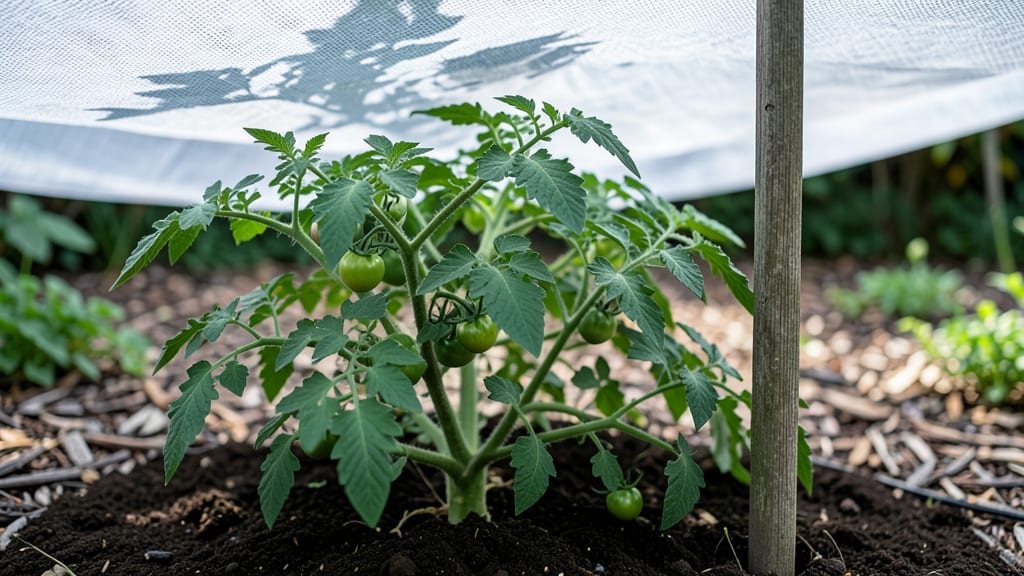
My tomato plants nearly died last summer from too much sun—until I draped 30% shade cloth over them and watched them thrive. 🌱 The right shade percentage keeps tomatoes productive while preventing scorched leaves and sunscald, even in brutal afternoon heat.
What once felt like a gamble became my secret weapon for bigger yields in hot climates.
The key is matching shade percentage to your climate: 20-30% for mild summers, 40-50% for intense heat. Install it permanently if your summers are extreme, or use it only during peak hours (11 AM–3 PM) for flexibility.
You’ll see fewer sunburnt spots, more consistent flowering, and tomatoes that ripen evenly instead of splitting from uneven sun exposure.
This isn’t just about survival—it’s about boosting flavor and size. Shade-stressed plants put all their energy into survival, not fruit production. With the right setup, you’ll harvest 20-30% more tomatoes than unprotected plants, and they’ll taste sweeter because the plant isn’t fighting for its life.
The cloth also cuts down on watering needs by reducing evaporation.
Works for greenhouses, raised beds, or in-ground plants—just secure it tightly to avoid flapping in wind. For extra protection, pair it with drip irrigation to keep roots cool. Once you’ve tried it, you’ll never grow tomatoes without it again.
📚 In This Guide
- What you need
- Instructions
- Tips and common mistakes
- Wrapping up and next steps
What you need
- ● Shade cloth: Choose a 30-50% density (lighter for hot climates, heavier for cooler areas). A 5 ft. x 10 ft. roll covers ~10 sq. ft. (adjust based on garden size).
- ● Support hoops or frames: PVC pipes (½" or ¾" diameter) or galvanized metal hoops (cut to 4–6 ft. tall).
- ● Quantity: 1 hoop per 3–4 ft. of row length.
- ● Stakes or U-clips: To secure shade cloth to hoops (every 2–3 ft.).
- ● Heavy-duty staples or clips: For attaching cloth to hoops/stakes.
- ● Measuring tape, scissors, or utility knife: For cutting cloth/hoops to size.
- ○ Ground anchors or weights: (Optional but helpful for windy areas—e.g., landscape stakes or sandbags).
- ● Adjustable tension cords: For a neater, taut fit.
- ● Thermometer: To monitor temperature under shade (ideal: 75–85°F).
- ● Reflective mulch: (e.g., aluminum foil) to deflect extra heat if needed.
- ● Drip irrigation kit: To keep plants hydrated without disturbing shade setup.
Step-by-Step guide to using shade cloth for tomato plants
Here's how I protect my tomatoes from scorching while keeping yields strong—no guesswork, just proven techniques.
🌿 Step 1: Select the Right Shade Cloth Percentage
Choose 30-50% shade cloth for tomatoes, depending on your climate. 30% works for hot afternoons in temperate zones, while 50% is better for intense southern sun or summer peaks. Avoid anything heavier—it blocks too much light and stunts growth. I always check the label for UV resistance; cheap cloth degrades in months and won't protect your plants.
Measure your tomato rows or cages first. A 6x10-foot section of cloth covers a standard 4-foot-wide raised bed perfectly. If using hoops, calculate 2 feet extra on each side to secure the edges without gaps. The goal is full coverage when the sun hits hardest—usually 11 AM to 3 PM in most regions.
✂️ Step 2: Install Support Structures Before Hanging
Set up hoops or trellises before attaching the shade cloth. For indeterminate tomatoes, use 6-foot tall T-posts every 8 feet along the row, then bend 1/2-inch PVC pipe into hoops and secure them with zip ties. For determinate varieties, 4-foot hoops work fine. The cloth must drape loosely—no tension—so it sags slightly when wet.
I always test the setup by draping a piece of cloth first. If it flutters in a breeze, the hoops aren't stable enough. For heavy shade cloth, add cross-braces between hoops to prevent sagging under rain. This keeps the fabric 4-6 inches above plant tops at all times, allowing airflow while blocking harmful rays.
🌞 Step 3: Secure the Cloth Properly
Drape the shade cloth over the hoops, leaving 1-2 feet of overhang on all sides. Use clothespins or spring clips to attach it to the hoops—never staples or nails, which tear the fabric. For a permanent setup, I run heavy-duty zip ties along the top edge of the hoops, then tuck the sides into the ground with U-shaped ground stakes. This prevents wind from lifting the cloth and creating uneven coverage.
Adjust the height as plants grow. When tomatoes reach 3 feet tall, raise the cloth to maintain that 4-6 inch gap. Watch for uneven shading—if one side gets more sun, shift the cloth slightly. The goal is consistent protection without smothering the plants. A quick shake test works: if water drips evenly when you shake the cloth, it's level.
💧 Step 4: Monitor and Adjust for Optimal Protection
Check the cloth daily during heatwaves. If leaves show silvering or curling (signs of sun stress), the cloth isn't blocking enough light—try a denser percentage or lower it slightly. Conversely, if new growth looks pale and leggy, it's getting too little light. Remove the cloth on cloudy days to prevent over-shading, which weakens stems.
I water before 10 AM to reduce evaporation under the cloth. The fabric traps heat, so plants dry out faster. If the soil feels bone-dry by midday, increase watering slightly. Watch for fungus gnats under heavy cloth—lift it occasionally to let air circulate. A 10-minute daily lift on sunny days keeps the environment healthy without sacrificing protection.
⏰ Step 5: Remove or Store Cloth Seasonally
Take down the shade cloth 2-3 weeks before your first frost date. Tomatoes need full sun in their final growth phase to ripen fruit. I fold the cloth, remove debris, and store it in a dry, shaded area (like a garage shelf) until next season. Never leave it rolled tightly—it creases and weakens. A breathable cotton bag prevents mildew buys.
For year-round growers in mild climates, keep the cloth rolled up and ready. You'll need it again during heat spikes in late summer. I mark the storage bin with the percentage and year so I don't mix up cloths. This system has saved my tomatoes from scorching three summers in a row—and the yields are noticeably better than unprotected plants.
Tips & tricks for perfect shade cloth setup
A few simple adjustments can transform your shade cloth from basic protection to a game-changing tomato savior. Here's what I've learned after years of trial and error in my own garden.
Climate-Specific Percentage: The 30-50% range in Step 1 is your baseline, but don't treat it as rigid. In desert climates, I've found 40% cloth works better than 30% during peak summer heat—it blocks enough UV while still allowing sufficient light penetration. For coastal areas with intense afternoon sun, 50% might still leave plants vulnerable; consider layering a second layer of lighter cloth during the hottest hours (11 AM-3 PM). The key is observing leaf color: healthy green means you're in the sweet spot.
Hoop Stability Matters: In Step 2, I can't stress enough how critical those 6-foot T-posts every 8 feet are for indeterminate varieties. After one summer where my hoops collapsed under a sudden windstorm, I reinforced them with galvanized steel cross-braces—worth every penny. For determinate plants, 4-foot hoops work, but add weighted corner stakes to prevent flapping. The 4-6 inch gap above plants isn't just about airflow—it's about preventing cloth from touching leaves, which can cause mildew. I use adjustable suction cups on the hoops to fine-tune this distance as plants grow.
Attachment Secrets: When securing the cloth in Step 3, I've found heavy-duty clothespins work better than spring clips for windy conditions—they grip tighter. For permanent setups, I run clear vinyl tubing along the hoop edges before zip-tying the cloth, which makes adjustments easier next season. The 1-2 foot overhang isn't just decorative; it creates a buffer zone that prevents hot air from sneaking under the edges. I always test this by holding a hand under the cloth—if you can feel a breeze, you need more overhang.
Seasonal Transition Strategy: The 2-3 week removal before frost in Step 5 is non-negotiable, but here's my pro tip: I start gradually lifting the cloth for 2 hours daily during the last week of protection. This hardens the plants for full sun exposure while preventing sudden shock. For year-round growers, I keep a folded cloth section ready in a labeled bin—trust me, you'll need it during those unexpected late-summer heatwaves. The breathable cotton bag storage tip is gold: it prevents UV degradation between seasons.
Pro Tips for Shade Cloth For Tomato Plants
- A few simple adjustments can transform your shade cloth from basic protection to a game-changing tomato savior.
- Climate-Specific Percentage: The 30-50% range in Step 1 is your baseline, but don't treat it as rigid.
- Hoop Stability Matters: In Step 2, I can't stress enough how critical those 6-foot T-posts every 8 feet are for indeterminate varieties.
Frequently asked questions
Got questions about using shade cloth for your tomato plants?
You’re not alone! Here are some of the most common concerns—and their simple, practical solutions.
What shade cloth density should I use for tomatoes?
For tomatoes, 30-50% shade cloth is ideal. This blocks enough sun to prevent scorching while still allowing light for photosynthesis. Pro tip: Start with 30% if your climate is mild or you’re in cooler months, and bump up to 50% during peak summer heat or in hotter regions.
When is the best time to install shade cloth?
Install shade cloth before extreme heat hits—typically in late spring or early summer, depending on your location. If you’re retrofitting, do it gradually to avoid shocking plants. Watch for: Yellowing leaves or wilting as signs it’s time to act. Remove it in fall to allow full sunlight for ripening.
Can I use shade cloth instead of pruning tomatoes?
Shade cloth isn’t a replacement for pruning, but it can reduce the need for heavy pruning in extreme heat. Prune to improve airflow and remove suckers, while shade cloth protects leaves from sunburn. Think of it as a team effort: prune for structure, use shade cloth for sun protection.
What are some alternatives to shade cloth for tomato sun protection?
If shade cloth isn’t an option, try these:
- Drip irrigation: Keeps leaves cool and hydrated.
- Row covers: Lightweight fabric that also deters pests.
- Mulch: Reflects heat away from soil (use straw or grass clippings).
- Plant strategically: Grow tomatoes under taller plants (like corn) for natural shade.
Why are my tomato leaves still scorched even with shade cloth?
Check these common issues:
- Cloth too far from plants: Ensure it’s within 12 inches for full coverage.
- Gaps or tears: Inspect for holes letting direct sun through.
- Overhead watering: Wet leaves magnify sunlight—water at the base.
- Wrong density: If using 30% in scorching heat, upgrade to 50%.
Wrapping up and next steps
Using shade cloth for tomato plants is a game-changer for gardeners aiming to protect their crops from harsh sun, heat stress, and pests—while still maximizing yield and flavor. 🌱 Whether you're dealing with scorching temperatures or delicate seedlings, the right shade solution can make all the difference.
With the knowledge you’ve gained—from choosing the perfect material to installation tips—you’re now ready to create an ideal growing environment for your tomatoes.
Ready to transform your garden? Start by testing a small section of shade cloth this season and observe how your tomato plants thrive. Happy gardening! 🌞🍅