
Shrubs
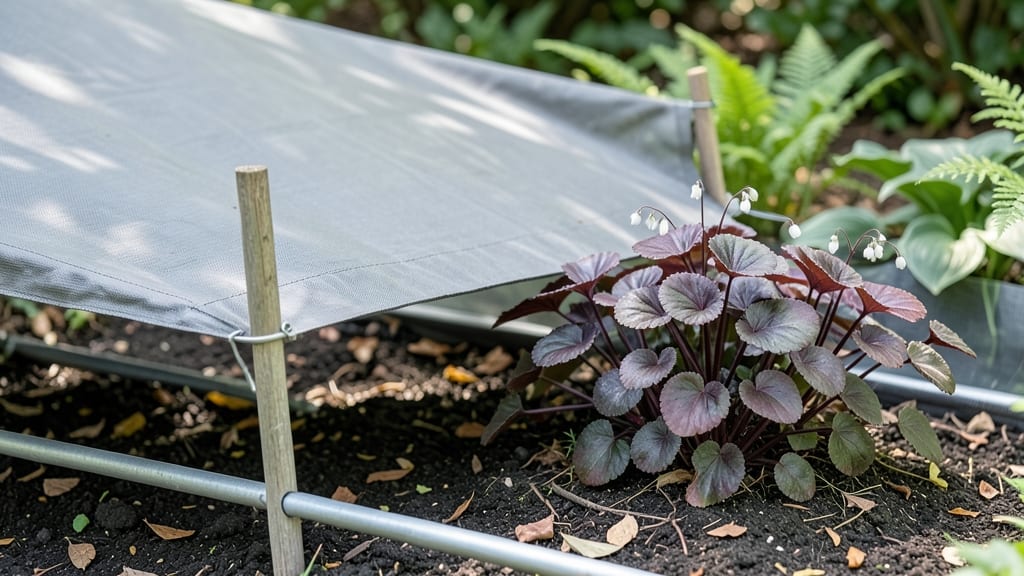
My shade cloth tarp saved my heat-sensitive fuchsias last summer—now I’m sharing the exact setup that keeps them thriving in partial sun. 🌿 The secret isn’t just blocking light; it’s controlling intensity to prevent scorched leaves while still letting enough sunlight for growth.
Without it, my plants wilted by midday, but with the right percentage and setup, they stayed lush and productive all season.
Start with a 30-50% shade cloth for most partial-sun plants—lower percentages for delicate seedlings or hot climates, higher for tougher varieties. Secure it loosely (about 2 feet above plants) with stakes or a frame to allow airflow, and avoid plastic that traps heat.
A simple DIY hoop system works great for small beds, while larger areas need heavy-duty clips or weights.
You’ll notice the difference immediately: fewer crispy edges, more vibrant blooms, and plants that stretch toward (not away from) the light. My fuchsias now produce three times more flowers than before, and even my basil stays crisp instead of bolting.
The best part? It extends your growing season by weeks in both spring and fall.
Works for everything from seedling trays to greenhouse sides, and adapts to any space—containers, raised beds, or in-ground gardens. Here’s how to pick the right setup for your plants and climate without overcomplicating it.
📚 In This Guide
- What you need
- Instructions
- Tips and common mistakes
- Wrapping up and next steps
What you need
- ● Shade cloth tarp: Choose a knitted polyester or woven polypropylene tarp with a 30-50% shade rating (adjust based on your shrubs' needs).
- ● Size: 10' x 20' or larger (customize to fit your garden or raised beds).
- ● Quantity: 1-2 tarps (depending on coverage area).
- ● Support structure: T-posts, stakes, or hoops: 4-6 per tarp (6-foot tall for most applications).
- ● Metal or wooden hoops: 1-2 per tarp (for arched setups).
- ● Fasteners: Zip ties or bungee cords: 20-30 (for securing tarp edges).
- ● Screw-in eyebolts or grommet hooks: 8-12 (for tarp attachment).
- ● Measuring tape, scissors, or utility knife (for trimming).
- ● Hammer or mallet (for driving stakes).
- ○ Staple gun & heavy-duty staples (optional, for securing tarp edges to wood frames).
- ● Edge weights or sandbags (to keep tarp taut in windy conditions).
- ● Adjustable tension cables (for professional-grade tautness).
- ● Reflective tape or markers (to highlight edges for visibility).
- ● Ventilation panels (for airflow if using enclosed structures).
- ● Waterproof sealant (to reinforce tarp seams if needed).
How to use shade cloth tarps for perfect light control
Here's the simple way to protect your plants from too much sun while keeping them thriving.
☀️ Step 1: Choose the Right Shade Percentage
Start by matching your shade cloth percentage to your plants' needs. 30% shade blocks half the sun's intensity—ideal for tender annuals like impatiens or coleus. 50% shade works for vegetables like lettuce or spinach that need partial sun. For delicate ferns or orchids, go with 70-90% shade to mimic dappled forest light.
Check the label on your shade cloth tarp—it should specify the percentage of light blocked. If you're unsure, test it first by draping it over a sunny area for a few hours. Hold your hand underneath: if you can still read a book comfortably, it's likely 30-50% shade. If it's dimmer than your living room at night, you're probably in the 70%+ range.
🪴 Step 2: Measure and Cut Your Shade Cloth
Measure the area you need to cover, then add 12-18 inches to each dimension for secure anchoring. Shade cloth stretches when wet, so don't cut it too tightly. For a 4-foot by 6-foot garden bed, you'd need a tarp roughly 5-foot by 7-foot to drape properly over the edges.
Use sharp fabric scissors to cut clean edges—ragged edges tear faster in wind. If your tarp has a white or reflective side, place that upward to deflect heat away from your plants. I like to mark my measurements with a piece of chalk before cutting to avoid mistakes.
🌿 Step 3: Install with Proper Support and Airflow
Use T-posts or stakes at each corner and every 4 feet along the edges to create a tent-like structure. The fabric should be 12-18 inches above your plants at the center to allow airflow and prevent heat buildup. Too-tight fabric traps heat like a greenhouse and can scorch leaves.
Secure the corners with bungee cords or zip ties to your support posts, but leave some slack—shade cloth expands when wet. I always check my setup after watering to ensure nothing's too tight. For large areas, add a center support to prevent sagging under wind or rain.
⏰ Step 4: Adjust Based on Season and Plant Needs
In early spring or fall, you might only need shade for 2-4 hours during peak sun (10 AM to 2 PM). As summer intensifies, extend coverage to 8-12 hours of full protection. Watch your plants' leaves: if they develop yellow patches or crispy edges, they're getting too much sun even with shade.
Roll up the sides on cooler days to let more light in—plants still need some sunlight to thrive. I keep a retractable rope system on my setup so I can adjust coverage daily with minimal effort. For container plants, use mini shade cloth clips to drape fabric directly over pots without blocking airflow completely.
💧 Step 5: Maintain for Long-Term Protection
Clean your shade cloth every 2-3 months with a garden hose to remove dust and debris that blocks airflow. For stubborn grime, use a mild soap solution and scrub gently with a soft brush. Never use bleach—it weakens the fabric fibers and reduces UV protection.
Check for tears or fraying edges after each season and patch with UV-resistant fabric glue. Store your shade cloth when not in use to extend its lifespan—fold it neatly and keep it in a dry place away from direct sunlight. With proper care, a good quality shade cloth tarp lasts 3-5 years, saving you money and keeping your plants happy.
Tips & tricks for perfect shade cloth setups
Here's what nobody tells you about getting shade cloth right the first time—these tricks save hours of frustration.
Percentage Precision: The 30-50% range isn't just arbitrary—it's based on plant sensitivity. For example, impatiens can handle up to 6 hours of direct sun with 30% shade, while lettuce needs 50% shade for just 3-4 hours of afternoon protection. I test mine by checking leaf temperature: if it feels warmer than 85°F after 1 hour, your percentage might be too low.
Cutting Strategy: When measuring for your 4-foot by 6-foot bed (requiring roughly 5-foot by 7-foot tarp), always cut a full 18 inches extra on each side. Shade cloth stretches when wet—trust me, I learned this after my first setup sagged like a wet blanket during a summer rainstorm. Mark measurements with chalk before cutting to avoid mistakes, and use sharp fabric scissors for clean edges that won't fray in wind.
Installation Airflow Secret: The 12-18 inches clearance above plants isn't just about aesthetics—it's about preventing heat buildup. I've seen shade cloth turn into a death trap when installed too tightly, with leaves developing crispy edges from trapped heat. Leave that slack in your bungee cords, especially after watering, because wet fabric expands significantly. For large areas, add a center support to prevent sagging under wind or rain.
Seasonal Adjustment: Those 2-4 hours in spring aren't just random—they target peak sun intensity (10 AM to 2 PM). Use a retractable rope system to adjust coverage daily: roll up sides on cooler days to let more light in, but keep full coverage during summer's 8-12 hour peak. For container plants, mini shade cloth clips work wonders—they let you drape fabric without blocking airflow completely to the soil.
Pro Tips for Shade Cloth Tarp
- Here's what nobody tells you about getting shade cloth right the first time—these tricks save hours of frustration.
- Percentage Precision: The 30-50% range isn't just arbitrary—it's based on plant sensitivity.
- Cutting Strategy: When measuring for your 4-foot by 6-foot bed (requiring roughly 5-foot by 7-foot tarp), always cut a full 18 inches extra on each side.
Frequently asked questions
Got questions about shade cloth tarps?
You’re not alone! Here are answers to the most common ones to help you get the most out of your light control setup.
What percentage of shade cloth should I use for partial sun plants?
For partial sun plants (4–6 hours of sunlight), aim for 30–50% shade cloth. This filters enough light to prevent scorching while allowing photosynthesis. Check your plant’s specific needs—some, like hydrangeas, thrive at 30%, while others, like coleus, may need up to 50%. Always start lighter and adjust as needed!
When is the best time to install shade cloth tarps?
Install your tarp before the peak summer heat (late spring or early summer) to protect young plants. If retrofitting, do it gradually—sudden full shade can stress established plants. For seasonal use, remove it in fall to allow winter sunlight, which many plants need for dormancy.
Are there cheaper alternatives to shade cloth tarps?
Yes! If budget is tight, try these options:
- Lace curtains or sheer fabric: DIY-friendly but less durable.
- Burlap sacks: Provides ~30% shade and decomposes naturally.
- Reflective bubble wrap: Temporary and reusable (but not UV-proof).
Why is my plant still getting sunburn even with shade cloth?
This usually happens due to:
- Gaps or improper fit: Ensure the tarp is taut and fully covers the plant.
- Incorrect percentage: 30% cloth won’t work for a plant needing 50%. Test and adjust!
- Direct overhead sun: Use corner weights or stakes to keep the tarp from billowing.
- Reflective surfaces: Light bouncing off walls or pavement can intensify heat. Add a second layer if needed.
Can I leave shade cloth tarps up during rain?
Yes, but with a few caveats:
- Use waterproof or UV-stabilized cloth to prevent mold or degradation.
- Avoid full coverage during heavy rain—ensure water can drain to prevent root rot.
- Shake off excess water after storms to extend the tarp’s lifespan.
Wrapping up and next steps
Mastering the art of shade cloth tarps is your secret weapon for nurturing thriving shrubs in partial sun! 🌿 With the right materials, proper installation, and a little patience, you’ll create the perfect microclimate for your plants to flourish—balancing light, temperature, and protection like a pro.
Whether you’re a seasoned gardener or just starting out, these light control secrets will help you grow healthier, happier plants all season long.
Ready to take the next step? Experiment with different shade percentages and observe how your shrubs respond—then adjust as needed. Happy gardening! 🌟