
Pruning
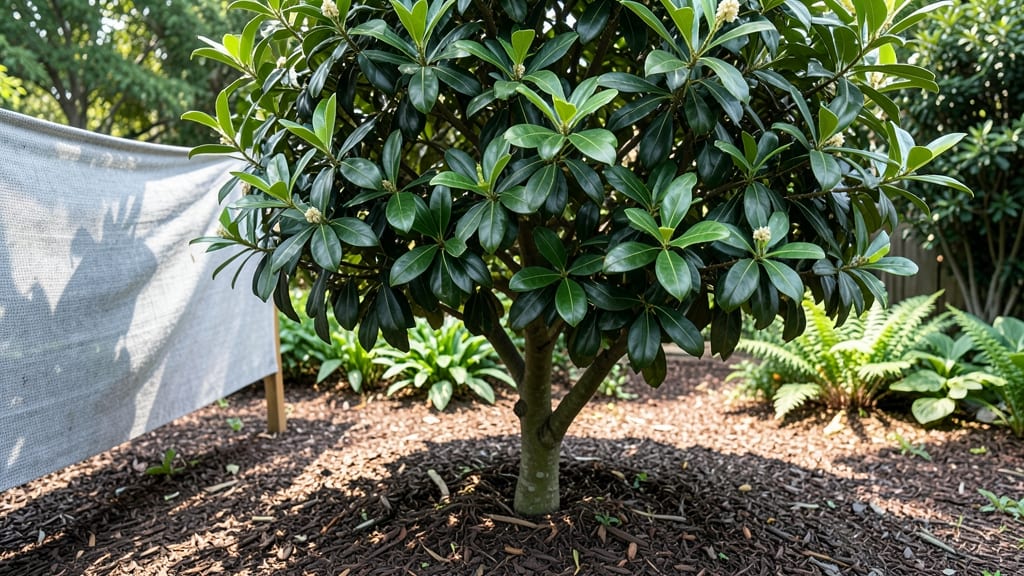
Your avocado tree’s survival depends on getting shade right—too much or too little, and you’re fighting a losing battle. 🌿 Avocados need bright, indirect light at every stage, but the balance shifts dramatically from seedling to fruit-bearing maturity.
I’ve watched my own trees struggle through harsh afternoons and learned the exact shade strategies that keep them thriving.
The key is dappled shade—think filtered light through sheer curtains or a high canopy of native trees. Seedlings tolerate 50% shade, young trees need 60-70% light, while mature trees crave full sun with afternoon relief.
In hot climates, a white shade cloth (30-50%) stretched overhead can save your tree from scorched leaves and fruit drop. Temperate gardeners? Focus on east-facing exposure to avoid brutal western sun.
Watch for telltale signs: yellowing leaves mean too much shade, while brown leaf edges scream sunburn. Transitioning trees? Move them gradually—10% more light per week—to avoid shock.
With the right balance, you’ll see thicker trunks, glossier leaves, and actual fruit instead of sad, stunted growth. The payoff is worth the patience.
This works everywhere—from Florida backyards to California containers—because the principles are the same. Master shade now, and you’ll never lose another avocado tree to light stress again. Let’s get those trees growing right.
📚 In This Guide
- What you need
- Instructions
- Tips and common mistakes
- Wrapping up and next steps
What you need
- ● Shade cloth: 30-50% shade fabric (10' x 10' or larger, depending on tree size). Pro tip: 💡 Opt for UV-stabilized fabric to prevent degradation.
- ● Sturdy support structure: PVC pipes (½" diameter, 6-8 ft tall) or metal T-posts (for frame stability).
- ● Wooden stakes (2x4s, 6 ft long) for corner anchors.
- ● Fasteners: Zip ties (heavy-duty, 100+ pack) or bungee cords.
- ● Staple gun + staples (for securing shade cloth to edges).
- ● Mulch: Organic mulch (wood chips or straw, 2-3 inches deep) to retain moisture.
- ● Measuring tape (25 ft).
- ● Scissors or utility knife (for cutting shade cloth).
- ● Drill + bits (for securing stakes or pipes).
- ● Work gloves (for handling materials safely).
- ● Well-draining soil (amend with compost if needed).
- ● Location with partial shade (e.g., near a building or natural canopy).
- ● Watering system (hose or drip irrigation for consistent moisture).
- ● Patience! Avocado trees thrive with gradual shade adjustments. ✨
How to provide the right shade for young avocado trees
Avocados crave sun but need careful shade protection as they mature—here’s how to balance both.
🌿 Step 1: Start With 50% Shade for Seedlings
Young avocado seedlings can’t handle direct sun until they develop stronger leaves. Use a shade cloth rated for 50% sunlight reduction (or a sheer curtain) to filter harsh rays while allowing gentle light penetration. I stretch mine 2-3 feet above the plant to avoid trapping heat near the soil—avocado roots prefer cooler conditions.
Check daily for leaves that look pale or crispy along the edges. If you see this, the shade is too intense—move it slightly higher or use a lighter-weight cloth. The goal is to mimic the dappled light of a mature tree canopy, not block all sunlight entirely.
☀️ Step 2: Gradually Reduce Shade Over 6-8 Weeks
After 4-6 weeks, when your avocado has 4-6 mature leaves, begin weaning it from shade. Reduce coverage by 10% weekly—swap the 50% cloth for 40%, then 30%, then finally remove it entirely. This slow transition prevents sunburn shock, where leaves suddenly bleach white and drop.
I like to do this in stages during overcast days first. Watch for new growth that stays dark green—that’s your signal the plant is adapting. If leaves yellow or curl, you’re moving too fast. Patience here ensures the tree develops the thick, waxy cuticle it needs for full sun.
🪴 Step 3: Provide Dappled Shade for Mature Trees
Even mature avocados benefit from partial shade during peak afternoon sun (1-4 PM), especially in hot climates. Plant near fast-growing deciduous trees like willows or poplars—their leaves will naturally filter intense rays in summer while allowing light through in winter. Alternatively, train a trellis with climbing vines (like morning glories) to create a living shade screen.
For container-grown trees, position them under a patio umbrella or permanent shade structure that moves with the sun’s arc. I’ve seen avocados in south-facing windows thrive with a white lace curtain diffusing light—just rotate the pot weekly so growth stays even.
⏰ Step 4: Adjust Shade Seasonally
Avocados are tropical and need consistent warmth—below 50°F, growth stalls. In cooler months, reduce shade to 30-40% to maximize light exposure. If you’re in Zone 9 or warmer, focus on afternoon shade only; morning sun is gentler. I keep a thermometer near the tree to monitor—if temps drop below 55°F at night, add a lightweight row cover for extra protection.
During summer heatwaves, increase shade to 60% temporarily. Watch for wilting leaves that don’t recover by evening—this means the tree is overheating. A quick spray with cool water (not ice-cold) can help, but long-term, structural shade is the solution.
Tips & tricks for thriving avocado trees in sunlight
Balancing sun and shade for avocados takes patience—but these insights will help you avoid common pitfalls and nurture a healthier tree.
Shade Cloth Selection: The 50% shade cloth recommended in Step 1 should be made of breathable fabric to prevent humidity buildup near the leaves. I've found that heavier-weight cloths (like those rated for 60% reduction) trap too much heat, creating a greenhouse effect that stresses seedlings. Look for materials labeled "UV-stabilized" to prevent degradation from sun exposure over time.
Height Matters: In Step 1, maintaining that 2-3 feet clearance above the plant is crucial—it prevents heat from radiating downward and warming the soil too much. I've seen avocado seedlings develop root rot when shade cloth was placed too close, as the trapped heat combined with excess moisture created anaerobic conditions. Use stakes or a lightweight frame to keep the cloth properly elevated.
Seasonal Transition Strategy: When reducing shade in Step 2, I recommend tracking the tree's response by taking weekly photos. This visual record helps you notice subtle changes in leaf color or size that might indicate the tree is struggling. For example, if new growth appears slightly yellowish during the transition, you're moving too fast—stick with the 10% weekly reduction until leaves return to their deep green.
Container Solutions: For potted avocados in Step 3, rotate the container every 7-10 days to ensure even light exposure on all sides. I've seen trees develop lopsided growth when kept in one position, with leaves stretching toward the light source. This rotation also helps prevent the tree from leaning toward windows or shade structures, which can cause structural weaknesses later.
Pro Tips for Shade For Avocado Tree
- Balancing sun and shade for avocados takes patience—but these insights will help you avoid common pitfalls and nurture a healthier tree.
- Shade Cloth Selection: The 50% shade cloth recommended in Step 1 should be made of breathable fabric to prevent humidity buildup near the leaves.
- Height Matters: In Step 1, maintaining that 2-3 feet clearance above the plant is crucial—it prevents heat from radiating downward and warming the soil too much.
Frequently asked questions
Got questions about keeping your avocado tree happy in the shade (or partial shade)? Here are answers to the most common concerns—so you can grow lush, fruitful trees without stress!
How much shade can an avocado tree tolerate before it stops producing fruit?
Avocado trees need full sun (6+ hours daily) to thrive and bear fruit, but young trees or varieties like Hass can handle 30-50% shade temporarily. Too much shade (70%+) stunts growth, reduces flowering, and may cause fruit drop. If your tree is in heavy shade, consider pruning nearby structures or transplanting it to a sunnier spot.
When is the best time to provide shade for a young avocado tree?
Young avocado trees (under 2 years old) are most vulnerable to intense afternoon sun in hot climates. Use shade cloth (30-50% blockage) during peak heat (11 AM–3 PM) in summer. Remove or adjust shade as the tree matures—aim for full sun by year 3 to encourage fruiting. Monitor leaves for sunburn (brown patches) to gauge needs.
What are the best alternatives to shade cloth for protecting an avocado tree?
If shade cloth isn’t an option, try these:
- Dappled shade: Plant fast-growing trees (e.g., leucadendron) nearby for natural, movable shade.
- Reflective surfaces: Use white walls or mulch to bounce light onto the tree’s canopy.
- Drip irrigation + misting: Keeps leaves cool without blocking light (best for short-term relief).
- Transplanting: Move the tree to a microclimate with morning sun and afternoon shade (e.g., east-facing slope).
My avocado tree’s leaves are yellowing under shade—what’s wrong?
Yellowing leaves in shade often signal nutrient deficiency (especially nitrogen) or overwatering. Check for:
- Soggy soil (avocados hate wet roots)—adjust watering to keep soil evenly moist but not soggy.
- Pale yellow leaves = nitrogen deficiency. Fertilize with a balanced 6-6-6 or avocado-specific blend in spring.
- Curling/brown edges = too much shade + humidity. Improve airflow and gradually acclimate the tree to more light.
Can I grow an avocado tree successfully in a container with shade?
Containers add flexibility for shade, but avocados in pots struggle more than in-ground trees. If you must use a container:
- Choose a large pot (20+ gallons) with drainage holes.
- Use well-draining soil (cactus/succulent mix + compost).
- Rotate the pot weekly for even light exposure.
- Limit shade to 30% max—containers dry out faster, and roots need warmth.
Wrapping up and next steps
Growing a thriving avocado tree with the right balance of shade for avocado tree is totally doable—even in full-sun climates! 🌿 The key lies in understanding your tree’s needs, whether it’s partial shade for young saplings or strategic pruning to manage mature canopies.
With patience and the right techniques, you’ll be rewarded with lush foliage and delicious fruit.
Ready to take the next step? Start small: monitor your tree’s response to sunlight, adjust pruning as needed, and don’t forget to protect it from extreme heat or pests. Happy growing—your avocado tree (and future harvest) will thank you! 🍑✨