
Shrubs
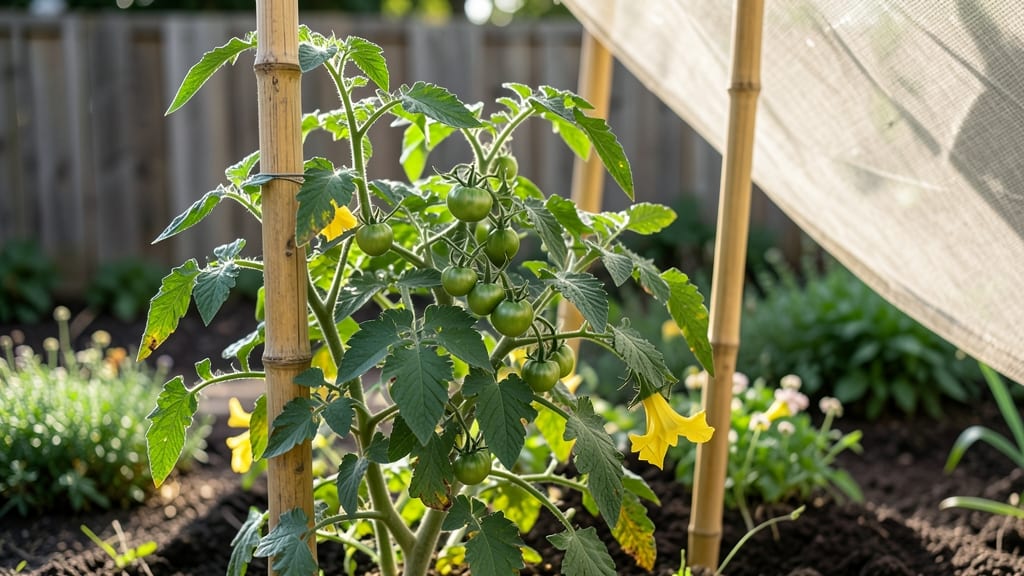
Growing tomatoes with shade for tomatoes isn’t about sacrificing productivity—it’s about outsmarting the heat. 🌞 I’ve learned that the right balance of shade and sun keeps plants thriving while protecting them from sunscald and disease.
The key is timing and technique, not just throwing up a tarp when it gets hot.
Natural shade from nearby trees or buildings works, but it’s unpredictable. Instead, I use 30-50% shade cloth during peak afternoon sun (12 PM–4 PM) in hot climates.
This blocks enough heat while still letting in enough light for photosynthesis. Too much shade, though, and your tomatoes turn pale and produce small, bland fruit.
With the right setup, you’ll still get sweet, flavorful tomatoes—just with fewer sunburned leaves and cracked fruit. The plants stay healthier, produce longer into the season, and even resist common diseases like blight. It’s all about finding that sweet spot between shelter and sunlight.
For container growers or small spaces, reflective surfaces like white walls or mulch can help redirect light. And if you’re in a region with intense summer heat, start shading plants gradually—sudden changes can stress them. The goal is happy plants, not perfect conditions.
📚 In This Guide
- What you need
- Instructions
- Tips and common mistakes
- Wrapping up and next steps
What you need
- ● Shade cloth: 30–50% shade fabric (choose 30% for partial shade, 50% for full sun protection). Size: Enough to cover your tomato plants (e.g., 4’x6’ for 4–6 plants).
- ● Sturdy stakes or hoops: 4–6 wooden or metal stakes (6–8 ft tall) or 1–2 ft diameter PVC pipes for hoop structures.
- ● Bungee cords or clips: 10–20 pieces (to secure shade cloth to stakes/hoops).
- ● Tomato cages or trellis: 4–6 cages (5–6 ft tall) or a DIY trellis (wooden lattice or wire mesh).
- ● Quality potting mix: 1–2 bags (moisture-retentive, well-draining blend for containers or in-ground planting).
- ● Organic fertilizer: Balanced 10-10-10 or tomato-specific fertilizer (follow package rates).
- ● Seedlings or seeds: Shade-tolerant tomato varieties (e.g., ‘Sungold’, ‘Cherokee Purple’, or ‘Mountain Merit’).
- ● Spray bottle (for misting seedlings).
- ● Pruning shears (to trim excess foliage or suckers).
- ● pH test kit (to monitor soil acidity, ideal: 6.0–6.8).
- ● Drip irrigation system (for consistent watering).
- ● Reflective mulch (to maximize light efficiency).
How to grow tomatoes in partial shade for maximum flavor
Here's how I balance light for juicy tomatoes even when full sun isn't an option.
☀️ Step 1: Choose the Right Shade-Tolerant Varieties
Not all tomatoes thrive in shade, so I always start with proven performers like 'Stupice' or 'Black Krim'—both handle partial shade better than standard slicers. These varieties grow well with 4-6 hours of morning sun plus afternoon shade, producing flavorful fruit without the heat stress of full exposure.
Check your space first: if you only get 2-3 hours of direct light, opt for cherry tomatoes like 'Sweet Million' or 'Tiny Tim'. They ripen faster in lower light and still deliver sweet, vibrant fruit. Avoid beefsteak varieties—they need full sun to reach their potential size and flavor.
🌱 Step 2: Position Plants for Optimal Light Exposure
Place your tomato plants where they receive bright, indirect light for most of the day. A south-facing window or east-facing patio gets the most consistent light, especially in cooler climates. If using containers, rotate them quarter-turn daily so all sides get even exposure—you'll see plants grow straighter and more evenly.
Watch for signs of insufficient light: leaves will turn pale yellow and stems grow long and weak. If this happens, move plants closer to the light source or supplement with a grow light for 12-14 hours daily. I've found that even a simple LED bulb placed 6-12 inches above the plants makes a noticeable difference in growth.
💧 Step 3: Adjust Watering for Shaded Conditions
Shade slows evaporation, so I water less frequently but more deeply—about 1-1.5 gallons per plant every 3-4 days instead of daily. Check the soil 1 inch below the surface with your finger: if it feels dry, it's time to water. Overwatering in shade leads to root rot, while underwatering causes blossom-end rot.
Mulch heavily with 2-3 inches of organic mulch (like straw or shredded leaves) to retain moisture and keep roots cool. This prevents the soil from drying out too quickly, which is especially important in partial shade where temperature fluctuations are more extreme. I always add mulch within 2 weeks of planting to establish this protective layer early.
✂️ Step 4: Prune and Support for Better Airflow
Prune suckers (the small shoots that grow between the stem and branches) every 2-3 weeks to direct energy toward fruit production. In shade, tomatoes put less energy into foliage, so I remove only the largest suckers—this keeps the plant from becoming overcrowded while still allowing enough leaves to capture light.
Use sturdy cages or stakes to support plants, especially in containers where wind can knock them over. I tie main stems to supports with soft plant ties every 4-6 inches to prevent breaking. This vertical growth helps leaves reach more light, improving photosynthesis even in partial shade.
🌿 Step 5: Boost Flavor with Strategic Care
Feed plants with a balanced fertilizer (10-10-10) every 4-6 weeks to compensate for lower light levels. Shade-tolerant tomatoes need extra nutrients to produce sweet, flavorful fruit. I always mix fertilizer with water and apply it to the soil—not the leaves—to avoid burning foliage.
Harvest tomatoes as soon as they ripen, even if they're small. In partial shade, fruit may never reach full size but will still be packed with flavor. Pick in the morning when sugars are at their peak. I've found that shaded tomatoes often develop deeper, richer flavors because they grow slower and concentrate their sugars.
Tips & tricks for shade-tolerant tomatoes
Balancing light for shade-tolerant tomatoes takes strategy—here's how to maximize flavor and productivity.
Variety Matters: The 4-6 hours of morning sun mentioned in Step 1 is crucial for varieties like 'Stupice' and 'Black Krim'. These types thrive with afternoon shade because they've been bred to handle lower light. If you're working with only 2-3 hours of direct light, cherry tomatoes like 'Sweet Million' are your best bet—they ripen faster and still deliver that sweet flavor we all love. I've found that even in deep shade, these small varieties can produce fruit that's more flavorful than larger tomatoes grown in full sun.
Light Supplementation: When you're using a grow light for 12-14 hours daily (Step 2), position it just 6-12 inches above the plants. I've tested this with simple LED bulbs and seen dramatic improvements in growth. The key is to mimic natural sunlight patterns—turn lights on in the morning and off in the evening. You'll notice leaves become darker green and stems grow stronger within just a few days of consistent light supplementation.
Watering Wisdom: The 1-1.5 gallons per plant every 3-4 days in Step 3 might seem generous, but it's essential for shade conditions. I recommend using a moisture meter to check soil 1 inch below the surface—this gives you a more accurate reading than just sticking your finger in. Overwatering is a common mistake in shade because we think plants need more moisture when they're not getting full sun. Remember, shade slows evaporation, so you're actually preventing root rot by watering less frequently but more deeply.
Pruning Precision: When pruning suckers every 2-3 weeks (Step 4), focus on removing only the largest ones. This might seem counterintuitive, but leaving smaller suckers helps the plant maintain some foliage for light capture. I've seen gardeners remove everything and end up with plants that struggle to produce fruit. The goal is balance—enough leaves for photosynthesis, but not so many that they shade the fruit itself. Tie stems every 4-6 inches to create that vertical growth pattern that helps leaves reach more light.
Pro Tips for Shade For Tomatoes
- Balancing light for shade-tolerant tomatoes takes strategy—here's how to maximize flavor and productivity.
- Variety Matters: The 4-6 hours of morning sun mentioned in Step 1 is crucial for varieties like 'Stupice' and 'Black Krim'.
- Light Supplementation: When you're using a grow light for 12-14 hours daily (Step 2), position it just 6-12 inches above the plants.
Frequently asked questions
Can tomatoes grow well in partial shade?
While tomatoes thrive in full sun (6–8 hours daily), they can still produce fruit in partial shade (3–6 hours of sunlight). Varieties like Sungold or Cherry Tomatoes adapt better. Just ensure they get morning sun and afternoon shade to prevent overheating.
When should I start providing shade for my tomatoes?
Introduce shade gradually—especially in hot climates—to avoid shocking the plants. Start when temps hit 85°F+ (29°C+) or if leaves show signs of wilting. Use shade cloth (30–50%) or move containers to dappled light areas. Early morning sun is key!
What’s the best alternative to shade cloth for tomatoes?
If shade cloth isn’t an option, try these:
- Natural shade: Plant near taller crops (corn, sunflowers) or use a trellis with a light canopy.
- DIY solutions: Hang white bedsheets or burlap sacks for temporary shade.
- Containers: Move pots to a shadier spot (e.g., east-facing balcony) during peak heat.
Why are my shade-grown tomatoes turning bitter or small?
Bitterness or stunted growth often signals too little light or poor pollination. Try:
- Adding a grow light (12–14 hours/day) for indoor plants.
- Gently shaking plants to boost pollination (especially for indoor varieties).
- Fertilizing with tomato-specific food (high in potassium and phosphorus).
How hot is too hot for tomatoes without shade?
Tomatoes struggle above 90°F (32°C)—leaves may yellow or drop blossoms. If no shade is available:
- Water deeply at dawn to cool roots.
- Mulch with straw to retain moisture.
- Choose heat-tolerant varieties like Heatmaster or Solar Fire.
Still stumped? Drop your tomato troubles below—we’re happy to help!
Wrapping up and next steps
Growing shade-tolerant tomatoes is all about finding the right balance—just a little shade can mean sweeter, healthier, and more productive plants!
Whether you’re using shade cloth, strategic placement, or natural barriers, these tips will help you maximize flavor and yield without sacrificing growth. Don’t let shade hold you back—experiment, observe, and enjoy the rewards of your green thumb!
Ready to take the next step? Start small—try a single shade-tolerant variety in a container or a sunny patch with partial shade, then expand as you gain confidence. Happy gardening, and may your tomatoes be juicy, vibrant, and full of flavor! 🍅☀️