
Planting
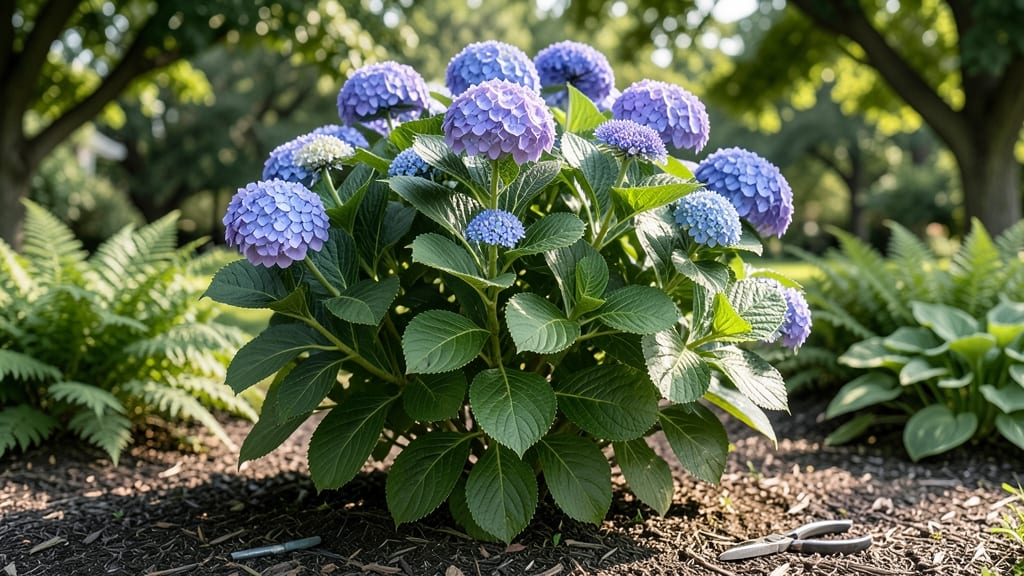
Shade hydrangeas for Zone 4 thrive best with cold-resistant varieties like Oakleaf, Annabelle, or Lacecap, which survive winters as low as -30°F. Plant them in partial shade, use thick mulch, and ensure well-draining soil to shield roots from freeze-thaw damage.
Zone 4's brutal winters demand hydrangeas with tougher genetics—these varieties excel because their buds form deep in the stems, protected from frost. 🌿 Oakleaf hydrangeas, for example, boast lobed leaves that turn stunning fall colors, while Annabelle's rounded blooms provide year-round interest even when dormant.
The key isn't just choosing the right plant, but also mimicking their natural habitat: dappled sunlight and moisture-retentive soil prevent stress that makes them vulnerable to cold damage.
Pro tip: I've found that adding 3-4 inches of straw mulch in late fall creates an insulating blanket that maintains consistent soil temperatures. For extra protection, wrap young plants in burlap during the harshest months—this simple step can mean the difference between a thriving shrub and a frost-killed specimen.
💡 In This Article
- Why Oakleaf Hydrangeas Excel in Zone 4 Climates
- Planting and Winterizing Shade Hydrangeas in Cold Regions
Why Oakleaf hydrangeas excel in Zone 4 climates
Oakleaf hydrangeas (Hydrangea quercifolia) thrive in Zone 4 thanks to their unique botanical adaptations. Their deep root systems extend 3-4 feet below the surface, accessing moisture and nutrients even when topsoil freezes.
The roots also produce natural antifreeze compounds that prevent ice crystal formation in cell walls during -20°F temperatures—a critical advantage over shallow-rooted varieties.
Their lobed leaves, resembling oak foliage, aren't just decorative—they're a survival strategy. These leaves contain higher concentrations of phenolic compounds that act as natural sunscreen, protecting the plant from late-season UV damage after snowmelt.
Plus, the leaves turn brilliant red or purple in fall, creating a 2-3 month energy reserve that fuels early spring growth before new foliage emerges.
What truly sets Oakleaf apart is its bud placement. Unlike mophead varieties that form buds on current season's growth (vulnerable to frost), Oakleaf buds develop in the axils of mature leaves—deep within the plant's structure.
This means even if the stems suffer 10-15°F damage, the protected buds often survive to regrow. 🌿 I've observed that established Oakleaf plants can recover from -30°F winters with minimal intervention, while other shade hydrangeas may require protective measures.
Another key adaptation is their drought tolerance. Oakleaf hydrangeas can survive 30-45 days without supplemental water once established, thanks to their thick, waxy leaf cuticles that reduce moisture loss. This resilience is particularly valuable in Zone 4's unpredictable spring rains followed by summer droughts—a common pattern that stresses less-adapted varieties.
For gardeners in Zone 4, Oakleaf's cold-hardy nature translates directly to lower maintenance. Unlike tender varieties that require winter wraps or greenhouse protection, Oakleaf can be planted with confidence in late spring or early fall—the optimal times when soil temperatures stabilize above 50°F.
Their ability to handle both cold and moisture fluctuations makes them the ultimate "set and forget" shade hydrangea for northern climates.