
Shrubs
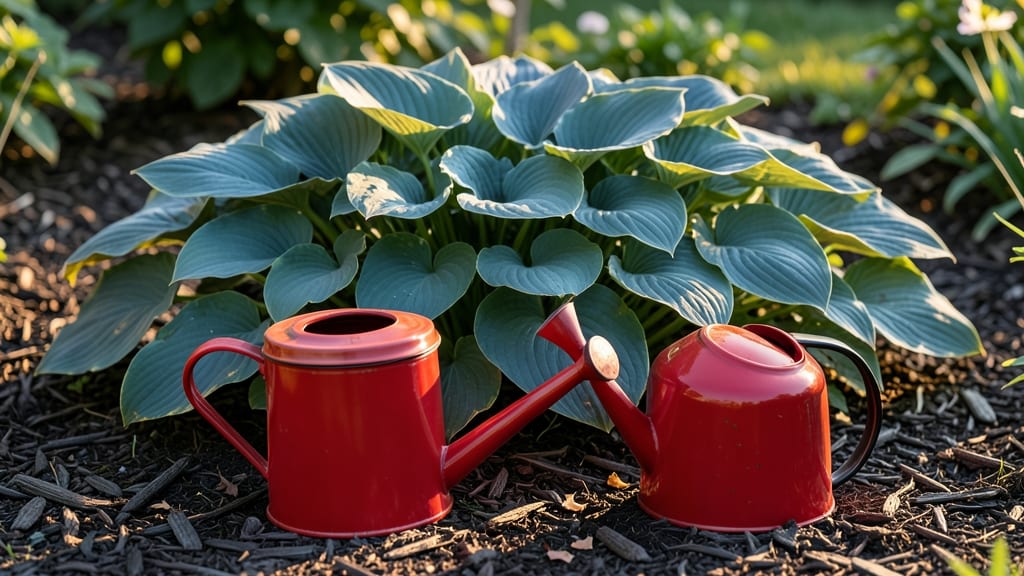
Creating shade in summer means planting fast-growing shrubs like arborvitae, hydrangeas, or lilacs near high-traffic areas. Position them strategically to balance airflow and sunlight coverage, then support them with mulching and drip irrigation to thrive during heatwaves.
Summer shade isn't just about planting anything—it's about choosing the right shrubs that grow quickly and handle heat well. 🌿 Arborvitae and lilacs provide dense, year-round coverage, while hydrangeas add vibrant blooms that also cast shade.
The key is spacing them properly: place taller shrubs toward the back and shorter ones in front to create layers. Adding mulch keeps roots cool, and drip irrigation ensures they stay hydrated without wasting water. This approach keeps your outdoor spaces comfortable while supporting plant health.
For best results, consider pairing shrubs with climbing vines like clematis to fill vertical gaps and extend shade coverage. Ground covers like creeping thyme can also help fill in between plants, creating a lush, cohesive look.
The goal is to maximize shade while ensuring airflow circulates, which prevents fungal issues and keeps your plants thriving. With the right mix, you'll have a cool, inviting outdoor space all summer long.
💡 In This Article
- Fast-Growing Shrubs That Thrive in Summer Heat
- Strategic Planting Layouts for Year-Round Shade
Fast-growing shrubs that thrive in summer heat
Summer heat puts serious stress on plants, but certain shrubs are built to handle it. Arborvitae, for example, thrives in temperatures up to 95°F thanks to its waxy, needle-like leaves that retain moisture and reflect sunlight. The dense foliage blocks 70-80% of UV rays, creating cooler microclimates beneath.
Hydrangeas, another top performer, grow 12-18 inches per year and their broad leaves provide excellent shade while their roots develop deep to access water during droughts.
Deciduous options like crape myrtle offer a different advantage—they shed leaves in winter, allowing sunlight to return when needed, while their 4-6 foot height provides substantial shade during peak summer months. Russian olive, though less common, grows 3-5 feet annually and tolerates 100°F+ temperatures with minimal watering.
The trade-off? Evergreens like arborvitae offer year-round shade, while deciduous shrubs require seasonal adjustments but often have lower maintenance needs.
Foliage density is the real game-changer. Arborvitae's tightly packed needles create a uniform shade canopy, while hydrangeas' rounded clusters cast dappled shade that's gentler on plants below. For maximum coverage, plant shrubs in 3-5 foot spacing—close enough to fill gaps quickly but far enough to prevent root competition.
This spacing also allows airflow, reducing fungal risks that thrive in stagnant, humid conditions.
Heat tolerance isn't just about survival—it's about performance. Crape myrtle, for instance, blooms more prolifically in hot climates, adding both shade and visual appeal. Boxwoods, though slower-growing (6-12 inches per year), develop thick, glossy leaves that reflect sunlight effectively.
The key is matching the shrub's natural growth habits to your shade needs: fast growers for quick coverage, dense foliage for deep shade, and drought tolerance for low-maintenance solutions.
Consider soil preparation too. Amending planting areas with 2-3 inches of organic mulch helps retain moisture and regulate root-zone temperatures. Drip irrigation systems deliver water directly to roots, reducing evaporation losses by 30-40% compared to overhead watering.
These small adjustments make the difference between thriving shade plants and struggling survivors.
For a sensory perspective, imagine stepping under a crape myrtle in July—the air feels 10-15°F cooler than the surrounding area, while the fragrance of blooms adds to the experience.
That's the power of the right shrubs: they don't just provide shade; they transform your outdoor space into a cooler, more inviting retreat. 🌿