
Flowers
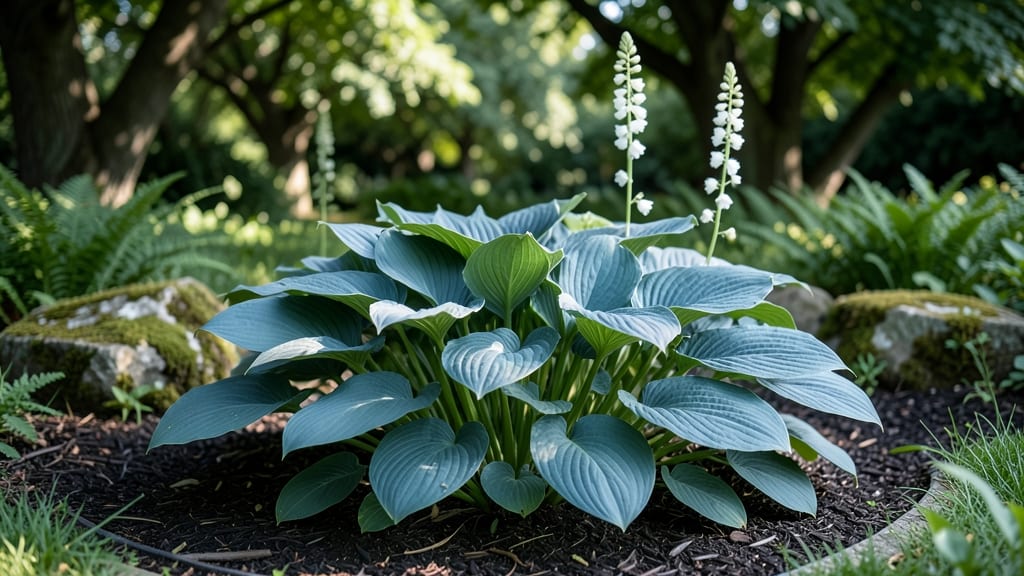
These shade low-maintenance perennial flowers need almost no effort yet burst into bloom for four straight years.
That’s exactly what I’ve discovered after years of struggling with finicky shade plants that wilted by summer. 🌿 The secret lies in these tough, elegant perennials that handle moisture, dappled light, and even full shade without complaint—while still packing serious visual punch.
Think hostas with their lush, sculptural foliage, heucheras that burst with jewel-toned leaves, and astilbes that fluff up like cotton candy in late summer. These plants need minimal pruning, occasional watering, and no fertilizing—just good soil and a spot where they won’t get trampled.
My woodland garden now blooms from spring to fall with almost no effort, and the neighbors keep asking how I do it.
You’ll end up with a garden that stays lush and vibrant even when others are wilting. The foliage provides year-round interest, and the blooms attract pollinators without requiring deadheading.
Best of all? These perennials spread naturally, filling in gaps over time so you spend less time digging and more time admiring the results.
Perfect for under trees, along north-facing walls, or in those tricky spots where sunlight barely reaches. Whether you’re revamping a shady corner or just want a carefree garden, these perennials deliver beauty without the backbreaking work. Let’s get planting!
📚 In This Guide
- What you need
- Instructions
- Tips and common mistakes
- Wrapping up and next steps
What you need
- ● Shade-tolerant perennial flowers: 5–10 plants of Hosta (e.g., 'Blue Angel' or 'Francee')
- ● 3–5 plants of Astilbe (e.g., 'Fanal' or 'Deutschland')
- ● 3–5 plants of Heuchera (e.g., 'Palace Purple' or 'Lime Rickey')
- ● 3–5 plants of Bleeding Heart (Dicentra spectabilis)
- ● 3–5 plants of Lungwort (Pulmonaria)
- ● Soil amendments: 5–10 lbs of compost (for nutrient-rich soil)
- ● 5–10 lbs of peat moss or coconut coir (for moisture retention)
- ● Mulch: 2–3 bags of organic mulch (e.g., shredded bark or pine straw)
- ● Tools: 1 garden trowel (for planting)
- ● 1 pruning shears (for cleanup)
- ● 1 garden hose with spray nozzle (for gentle watering)
- ● 1 gloves (to protect your hands)
- ● Slow-release fertilizer (e.g., 10-10-10 or organic options like fish emulsion)
- ● Decorative garden stones (to define borders)
- ● Drip irrigation system (for automated watering)
- ● Shade cloth (if your area gets partial shade)
Step-by-step planting for shade-loving perennial flowers
Here's how to create a thriving shade garden that blooms reliably for years with minimal effort.
🌱 Step 1: Select and Prepare the Planting Site
Choose a location that receives less than 4 hours of direct sunlight daily—ideal spots include north-facing beds, under large trees, or along shady foundation walls. Test the soil by digging a 6-inch hole and examining the moisture level; shade plants prefer soil that stays consistently damp but not waterlogged. If your soil drains poorly, amend it with 2-3 inches of compost mixed into the top 12 inches of soil.
For heavy clay soil, incorporate 1 part perlite or coarse sand per 3 parts soil to improve drainage. I always work in a 3-foot square area for each plant to ensure roots have ample space to establish without competition. Mark the planting spots with small stakes to avoid confusion later.
🪴 Step 2: Choose the Right Perennials for Your Climate
Select shade-tolerant perennials that thrive in your USDA hardiness zone—some of the most reliable include hostas, astilbes, bleeding hearts, and lungwort. These plants deliver four years of blooms with minimal care once established. For example, hostas provide lush foliage year-round, while astilbes burst into feathery plumes in summer.
Purchase bare-root or container-grown plants from a reputable nursery to ensure healthy, disease-free starts. I prefer container-grown specimens because they establish more quickly and show fewer signs of root stress. Handle plants gently by their stems or base—never grasp the leaves, as this can cause damage.
💧 Step 3: Plant With Proper Spacing and Mulching
Dig holes twice as wide as the root ball but no deeper than the container’s depth to prevent waterlogging. Gently loosen the roots if they’re circling the container, then place the plant in the hole so the top of the root ball sits level with the surrounding soil. Fill in with native soil, pressing lightly to remove air pockets but avoiding compaction.
Space perennials according to their mature size—hostas need 18-24 inches apart, while lungwort can tolerate 12-18 inches. After planting, water deeply to settle the soil and encourage root contact. Top with 2-3 inches of organic mulch, like shredded bark or wood chips, to retain moisture and suppress weeds. Keep mulch 2-3 inches away from plant stems to prevent rot.
☀️ Step 4: Maintain With Minimal Effort
Water newly planted perennials once a week for the first 4-6 weeks, providing 1 inch of water per week unless rainfall provides it. After establishment, most shade perennials require watering only during prolonged dry spells. Fertilize lightly in early spring with a balanced, slow-release fertilizer (10-10-10) to support steady growth without encouraging excessive foliage.
Deadhead spent blooms on astilbes and lungwort to encourage more flowers, but leave the seed heads on bleeding hearts—they add winter interest. Divide clumps of hostas and astilbes every 3-4 years in early spring to maintain vigor. This simple step prevents overcrowding and rejuvenates blooms.
⏰ Step 5: Plan for Seasonal Care
In early spring, remove any dead foliage from the previous season but leave seed heads until they naturally decompose. This practice improves air circulation and reduces disease risk. Apply a thin layer of compost around plants in late spring to replenish nutrients without disturbing roots.
During fall, reduce watering slightly as temperatures drop, but keep the soil moist enough to support root growth. Most shade perennials are hardy and require no winter protection unless your climate experiences frost below 0°F. In that case, add a 2-3 inch layer of mulch before the ground freezes to insulate roots.
Tips & tricks for perfect shade perennial gardens
Creating a thriving shade garden that blooms reliably for years isn't just possible—it's easier than you think with these insider tips.
Location is Everything: That less than 4 hours of direct sunlight guideline is non-negotiable for shade perennials. I've learned this the hard way—even partial sun can stress these plants. Look for spots where sunlight barely touches, like under mature trees or against north-facing walls. Pro tip: Use a light meter app for 3 days to accurately map your garden's sunlight patterns before planting.
Soil Science Matters: The 2-3 inches of compost mixed into the top 12 inches of soil isn't just about nutrients—it's about creating the perfect moisture-retaining environment these plants crave. For heavy clay soil, that 1 part perlite or coarse sand per 3 parts soil ratio is crucial. I always test drainage by filling a hole with water and timing how long it takes to drain—ideal is 4-6 hours. Too fast? Add more compost. Too slow? Mix in more sand.
Planting Precision Pays Off: When you're planting, that 3-foot square area per plant gives roots the breathing room they need to establish without competition. I mark my planting spots with wooden toothpicks instead of stakes—they're less obtrusive and blend into the landscape. For container-grown plants, gently squeeze the sides of the pot to loosen roots before planting—this prevents that "root-bound" shock many gardeners experience.
Seasonal Care Secrets: The 2-3 inch layer of mulch in fall isn't just for insulation—it's a moisture reservoir. I use shredded hardwood mulch because it breaks down slowly and adds organic matter. For winter protection in 0°F climates, add an extra 1 inch of mulch after the ground freezes to create that crucial insulating layer. And remember: that thin layer of compost in late spring should be spread only around the drip line, not piled against stems.
Pro Tips for Shade Low Maintenance Perennial Flowers
- Creating a thriving shade garden that blooms reliably for years isn't just possible—it's easier than you think with these insider tips.
- Location is Everything: That less than 4 hours of direct sunlight guideline is non-negotiable for shade perennials.
- Soil Science Matters: The 2-3 inches of compost mixed into the top 12 inches of soil isn't just about nutrients—it's about creating the perfect moisture-retaining environment these plants crave.
Frequently asked questions
Got questions about keeping shade-loving perennials thriving with minimal effort? We’ve got answers! Here are some of the most common queries gardeners ask—and the simple solutions to make your low-maintenance shade garden a breeze.
What are the easiest shade perennials that bloom for years with almost no care?
Look for heuchera (coral bells), hostas, astilbe, bleeding heart (dicentra), and foamflower (tiarella). These thrive in dappled shade, handle neglect, and return reliably—some even spread over time! Focus on moisture-retentive soil and minimal pruning for best results.
How long does it take for shade perennials to establish and start blooming?
Most shade perennials take 1–2 years to fully establish roots and 2–3 years to hit peak blooming. Start with well-rooted nursery plants (not tiny starts) to cut wait time. Patience pays off—once established, they’ll reward you with zero-fuss color for decades!
Do shade perennials need extra watering, or do they handle dry spells?
While shade perennials tolerate some drought, they’ll thrive best with consistent moisture during their first growing season. After that, a 1-inch weekly watering (or natural rainfall) is usually enough. Mulch heavily (2–3 inches) to lock in moisture and deter weeds.
Can I mix shade perennials with ferns or ground covers without overcrowding?
Pair hostas with Japanese painted ferns or ajuga (bugleweed) for texture. Keep spacing 12–18 inches apart for mature plants to prevent competition. Tall perennials like astilbe (2–3 ft) work well in back rows, while low growers (like heuchera) shine in front.
What’s the best way to prevent pests like slugs or deer from munching my shade garden?
Slugs? Try beer traps (bury a shallow dish of beer) or copper tape around beds. Deer? Opt for toxic-free repellents (like garlic spray) or plant deer-resistant varieties like heuchera or ferns. A 1-inch mulch layer also deters burrowing pests!
Wrapping up and next steps
Transforming your shady spots into a low-maintenance, blooming paradise is easier than you think! With shade-loving perennials like heuchera, astilbe, and hosta, you’re guaranteed vibrant blooms for years—with minimal effort. These hardy plants thrive in the back of your mind, not your to-do list.
Ready to take the next step? Start small—pick one or two plants, test your soil, and let nature do the rest. Soon, you’ll be sipping coffee in the shade of your zero-fuss garden oasis! 🌿✨