
Companion Plants
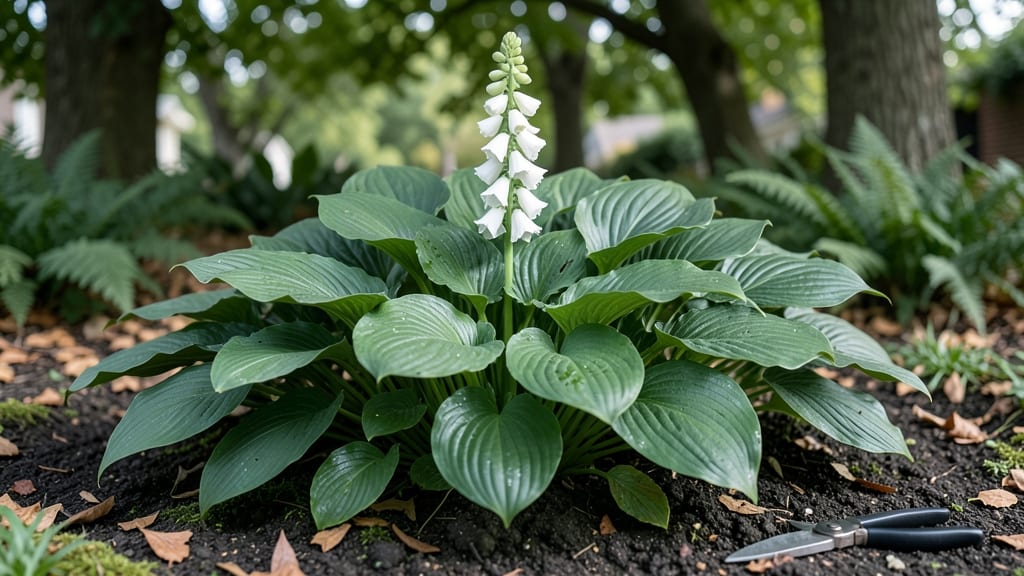
Shade-tolerant plants in North Carolina don’t have to mean boring green—think lush ferns unfurling under oak trees, deep purple hostas thriving where sun never reaches, and even delicate flowers like impatiens that bloom like confetti in the dappled light. 🌿 I’ve spent years transforming shady corners into vibrant, low-maintenance gardens, and the key isn’t just picking the right plants—it’s understanding how NC’s humidity and soil interact with shade to create the perfect microclimate for growth.
The secret starts with soil: amending heavy clay or sandy soil with compost creates the crumbly, moisture-retentive foundation shade plants crave.
Native NC favorites like foxtail ferns, Christmas ferns, and Virginia sweetspire handle our wet springs and dry summers with ease, while non-natives like heucheras and astilbes add bold color without demanding full sun.
Mulch is non-negotiable—it keeps roots cool in summer and shields them from winter’s chill, especially in the Piedmont’s fluctuating temps.
What you’ll end up with is a garden that stays vibrant even when your neighbors’ lawns turn brown. Imagine hostas with leaves like jewel-toned velvet, ferns that rustle in every breeze, and flowers that bloom from spring’s first warmth through fall’s crisp air.
The best part? These plants thrive with half the watering of sun-lovers and rarely need fertilizing once established.
Whether you’re working under towering pines, along a north-facing foundation, or on a shady deck, these shade specialists adapt—just tweak your approach for your specific NC zone.
The Mountains get cooler nights, the Coastal Plain stays muggier, and Piedmont’s soil varies wildly. Let’s pick the perfect plants for your shadowy spots!
📚 In This Guide
- What you need
- Instructions
- Tips and common mistakes
- Wrapping up and next steps
What you need
- ● Shade-tolerant plants (NC-native or adapted varieties): 2–5 Hosta (e.g., 'Blue Angel' or 'Halcyon') – perennial
- ● 3–6 Heuchera (e.g., 'Palace Purple' or 'Lime Rickey') – perennial
- ● 1–2 Ferns (e.g., Ostrich Fern or Maidenhair Fern) – perennial
- ● 1 Caladium (e.g., 'White Queen') – tuberous perennial (for summer color)
- ● 1–2 Astilbe (e.g., 'Fanal') – perennial (for plumes)
- ● 1 Japanese Painted Fern (Athyrium) – perennial (unique foliage)
- ● Soil amendments: 5–10 lbs. compost (for enriching soil)
- ● 2–3 lbs. peat moss or coconut coir (for moisture retention)
- ● 1 lb. slow-release fertilizer (e.g., 10-10-10, organic option preferred)
- ● 1 garden trowel (for transplanting small plants)
- ● 1 garden fork (for amending heavy clay soil)
- ● 1 pruners (sterilized, for trimming)
- ● 1 wheelbarrow or bucket (for mixing soil amendments)
- ● 1 watering can or hose with gentle spray nozzle
- ○ Optional: Mulch (3–4 inches of pine straw or shredded bark to retain moisture)
- ● Garden gloves (for protection)
- ● pH test kit (to check soil acidity, ideal range: 5.5–6.5 for most shade plants)
- ● ✅ Location: Identify a spot with (deep shade) or partial shade (dappled light).
- ● ✅ Soil test: Check moisture drainage (shade plants dislike soggy roots). Amend if needed.
- ● ✅ Timing: Plant perennials in early spring or fall (avoid NC’s summer heat).
- ● ✅ Water source: Ensure easy access for consistent moisture (especially during NC’s humid summers).
How to design a thriving shade garden in North Carolina
North Carolina's humid climate and dense tree canopies create perfect conditions for lush, evergreen shade gardens that stay vibrant year-round.
🌿 Step 1: Assess Your Shade Conditions
First, determine your shade type using the sunlight test: Place a white board in your garden for a full day. If it receives less than 3 hours of direct sun, you have deep shade. 3-6 hours qualifies as partial shade. Most shade plants prefer dappled light—bright indirect light filtering through leaves—so mimic this by planting under deciduous trees rather than evergreens.
Here's the thing—deep shade (under evergreens or north-facing walls) limits your options to hostas, ferns, and astilbes, while partial shade opens up possibilities like hydrangeas, asters, and Japanese anemones. I always sketch my garden layout first, marking where morning sun hits versus afternoon shade. This prevents planting sun-lovers in the wrong spots.
🌱 Step 2: Select NC-Adapted Shade Plants
For year-round foliage, focus on evergreen perennials like Oakleaf hydrangea (Hydrangea quercifolia) and Inkberry holly (Ilex glabra)—both thrive in USDA Zones 5-9 and handle North Carolina's humidity. For colorful foliage, Heuchera (coral bells) and Tiarella (foamflower) deliver bold textures in shades of purple, silver, and deep green.
Don't overlook ground covers like Sweet woodruff (Galium odoratum) or Wild ginger (Asarum canadense)—they suppress weeds and add fragrant layers. I like to group plants by height: tall (6+ feet) like Astilbe in back, medium (2-3 feet) like Hosta in the middle, and low (under 1 foot) like Ajuga in front. This creates natural tiers that hide bare soil and mulch.
💧 Step 3: Prepare Soil for Moisture-Retentive Conditions
Shade gardens often suffer from compacted, dry soil because less sunlight means slower evaporation. Amend your native soil with 3 inches of organic matter—like compost or leaf mold—to improve drainage and moisture retention. I mix in 1 part perlite to every 3 parts soil to prevent soggy roots, especially in North Carolina's clay-heavy soils.
Test your soil's pH—acid-loving plants (like azaleas and blueberries) need pH 4.5-5.5, while neutral-lovers (like hostas and ferns) prefer pH 6.0-7.0. If your soil is too alkaline, add sulfur or peat moss to lower the pH gradually. Mulch with 3-4 inches of shredded bark or pine needles to lock in moisture and regulate temperature.
☀️ Step 4: Plant for Layered Texture and Seasonal Interest
Start with structural plants like Dwarf fountain grass (Pennisetum 'Little Bunny') or Japanese painted fern (Athyrium niponicum) for vertical interest. Add blooming perennials like Toad lily (Tricyrtis) for late-summer flowers or Winter aconite (Eranthis hyemalis) for early spring color. I always include one fragrant plant, like Sweet box (Sarcococca)—its winter blooms fill the air with a citrusy scent when little else is alive.
Space plants 12-18 inches apart to allow airflow, which reduces fungal diseases like powdery mildew—a common issue in NC's humidity. Group three or five plants of the same variety together for a bold, natural look. For example, plant five 'Blue Angel' hostas in a cluster near a variegated fern to create a striking focal point.
✂️ Step 5: Maintain with Minimal Effort
Water deeply once a week (or more in summer heat) until the top 2 inches of soil feel moist. Shade plants often wilts slightly in the afternoon—this is normal, but deep watering prevents stress. I set a rain gauge in the garden to track moisture; if it reads less than 1 inch per week, I water manually.
Prune spent blooms (like on hydrangeas) in early spring to encourage new growth. Cut back dead foliage in late winter to make room for fresh shoots. Fertilize lightly in early spring with a balanced 10-10-10 formula—shade plants don’t need heavy feeding. I avoid high-nitrogen fertilizers, which can lead to leafy but weak growth that flops over in humidity.
Tips & tricks for perfecting your North Carolina shade garden
Here's what nobody tells you about creating a thriving shade garden that stays lush all year—these are the secrets I've learned after years of trial and error.
Sunlight Test Precision: When doing your sunlight test in Step 1, place the white board at mid-height (about 3 feet up) to get an accurate reading of the light your plants will actually receive. I've seen people place boards too low or too high, resulting in misjudging shade conditions. Also, conduct this test during the longest day of the year (around June 21st) to get the most accurate assessment for your entire growing season.
Plant Grouping Strategy: In Step 2, when grouping plants by height, consider the mature size of each variety—not their current size when purchased. For example, a 'Blue Angel' hosta might look small now, but it'll reach 2-3 feet tall in a few years. I like to create three-tiered groupings: place tall plants (like Astilbe) at the back, medium plants (like Hosta) in the middle, and ground covers (like Ajuga) in front. This creates natural layers that hide soil and mulch beautifully.
Soil Amendment Shortcut: For Step 3's soil preparation, I've found that composted hardwood mulch is even more effective than regular compost for improving soil structure. Spread a 2-inch layer over your planting area and let it sit for 2-3 weeks before planting. This gives beneficial microbes time to break it down, creating a perfect planting medium. Plus, it doubles as your initial mulch layer!
Seasonal Planting Calendar: When planning your shade garden in Step 4, remember that early spring (March-April) is the best time to plant most shade perennials in North Carolina. This gives them time to establish roots before summer heat arrives. For fragrant plants like Sweet box (Sarcococca), plant them near seating areas or walkways so you can enjoy their winter scent while passing by. I always plant mine within 3 feet of pathways for maximum enjoyment.
Pro Tips for Shade Plants Nc
- Here's what nobody tells you about creating a thriving shade garden that stays lush all year—these are the secrets I've learned after years of trial and error.
- Sunlight Test Precision: When doing your sunlight test in Step 1, place the white board at mid-height (about 3 feet up) to get an accurate reading of the light your plants will actually receive.
- Plant Grouping Strategy: In Step 2, when grouping plants by height, consider the mature size of each variety—not their current size when purchased.
Frequently asked questions
Got questions about growing shade-loving plants in North Carolina? You’re not alone! Here are answers to the most common concerns—from planting tips to troubleshooting—so you can keep your garden lush and thriving in those deep shadows.
What are the best shade plants for NC’s humid summers?
NC’s humidity can be tough on shade plants, but hostas, heucheras, astilbes, and ferns handle it well. For extra moisture, try tellerina or foamflower. Avoid plants like coleus, which may struggle with NC’s heat and humidity. Check our materials guide for soil prep tips!
Can I plant shade plants in NC year-round?
No—wait until spring (March–May) or fall (September–November) for best results. Planting in summer heat or winter frost stresses roots. Pro tip: Mulch heavily after planting to retain moisture and protect roots in NC’s unpredictable weather.
How do I know if my shade plants aren’t getting enough light?
Watch for leggy growth, pale leaves, or fewer flowers. Most shade plants thrive in 2–6 hours of dappled light daily. If your spot is darker, opt for low-light specialists like caladiums or Japanese painted ferns. Adjust soil nutrients if growth is still weak.
Are there drought-tolerant shade plants for NC?
Yes! Dwarf Mondo Grass, Coral Bells (Heuchera), and Lungwort (Pulmonaria) handle dry spells better than average. Pro tip: Once established, these plants need water only every 1–2 weeks in NC’s dry summers. Pair them with 3–4 inches of mulch to lock in moisture.
Why are my shade plants’ leaves turning yellow?
Yellow leaves often signal overwatering, poor drainage, or nutrient deficiency. Check soil moisture—shade plants hate soggy roots! Amend heavy clay soil with compost or sand. Fungal issues? Prune affected leaves and treat with neem oil if needed.
Can I grow shade plants in containers in NC?
Hostas, ivy, and bromeliads thrive in pots. Use well-draining soil and containers with drainage holes. Pro tip: Move containers to bright indirect light in winter if your porch gets too dark—NC’s shorter days can limit growth!
Wrapping up and next steps
Transforming your North Carolina shade garden into a lush, year-round retreat is easier than you think!
From the delicate heuchera to the bold hosta, these shade-loving plants prove that deep shadows don’t mean dull foliage. 🌿 With the right selection, care, and a little creativity, you can enjoy vibrant greenery—even when sunlight is scarce.
Ready to take the next step? Start small by adding one or two plants to a shady corner, then expand as you discover what thrives best in your space. Happy gardening—your future shade oasis awaits! 🌱